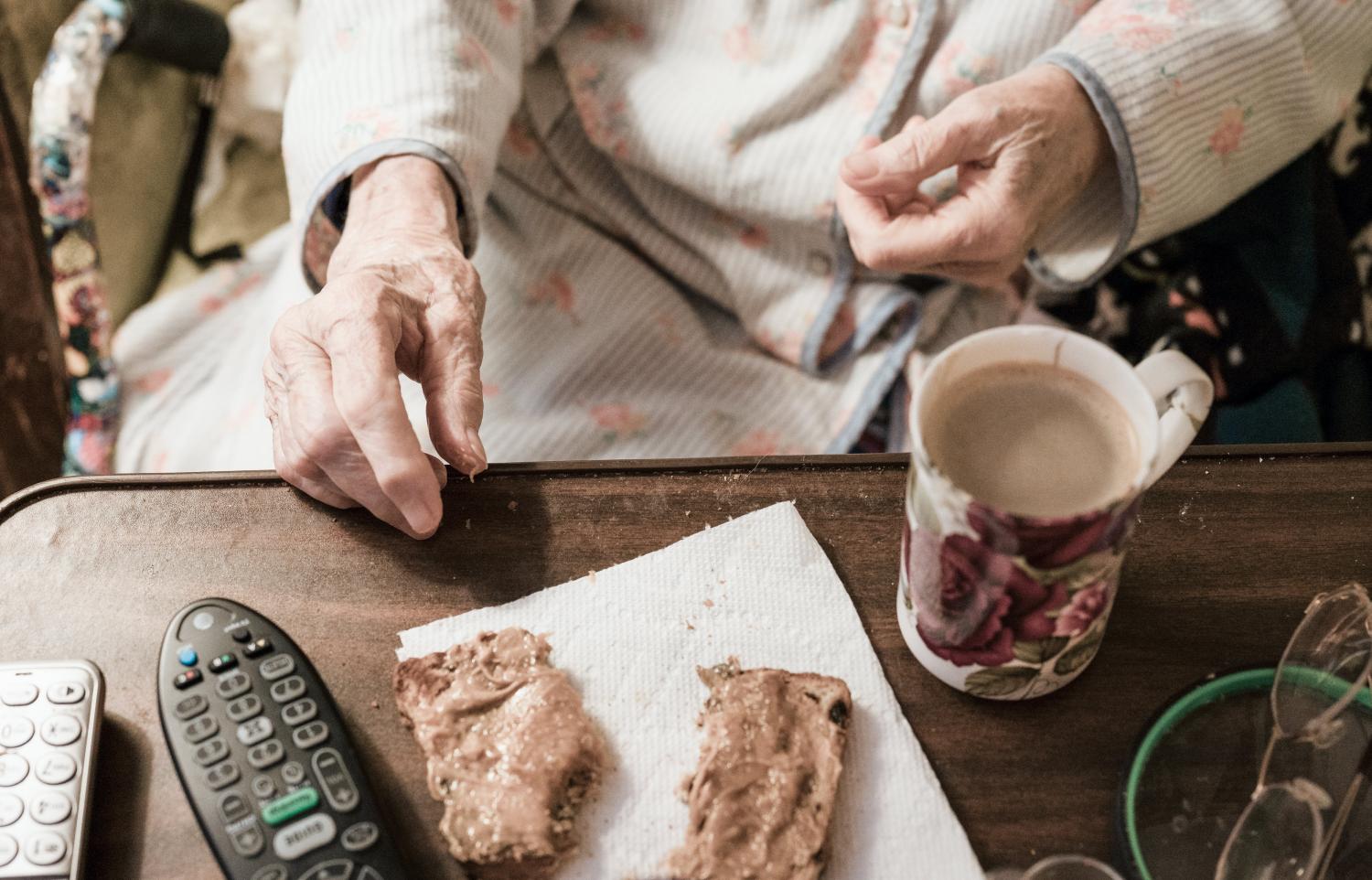
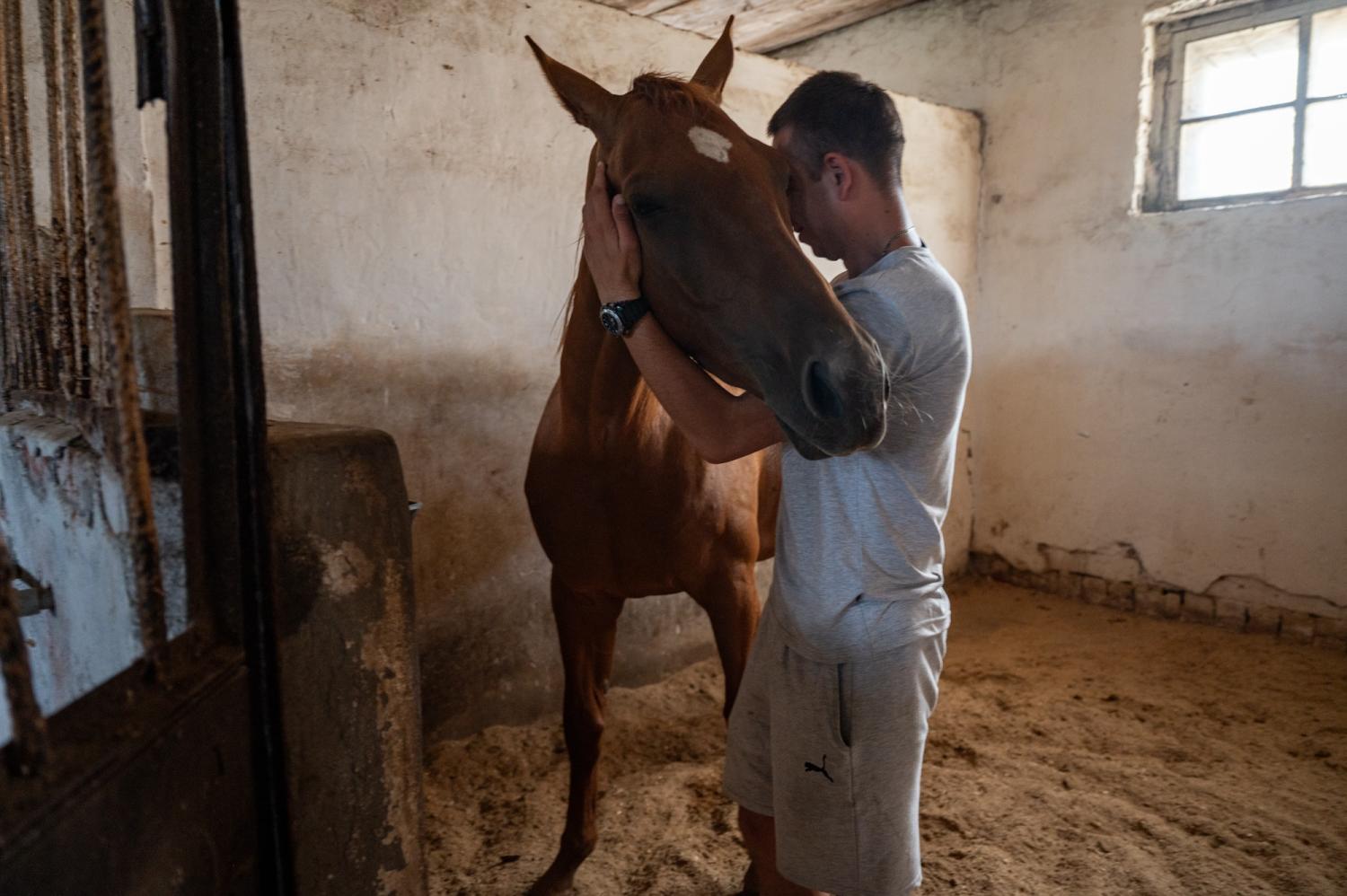
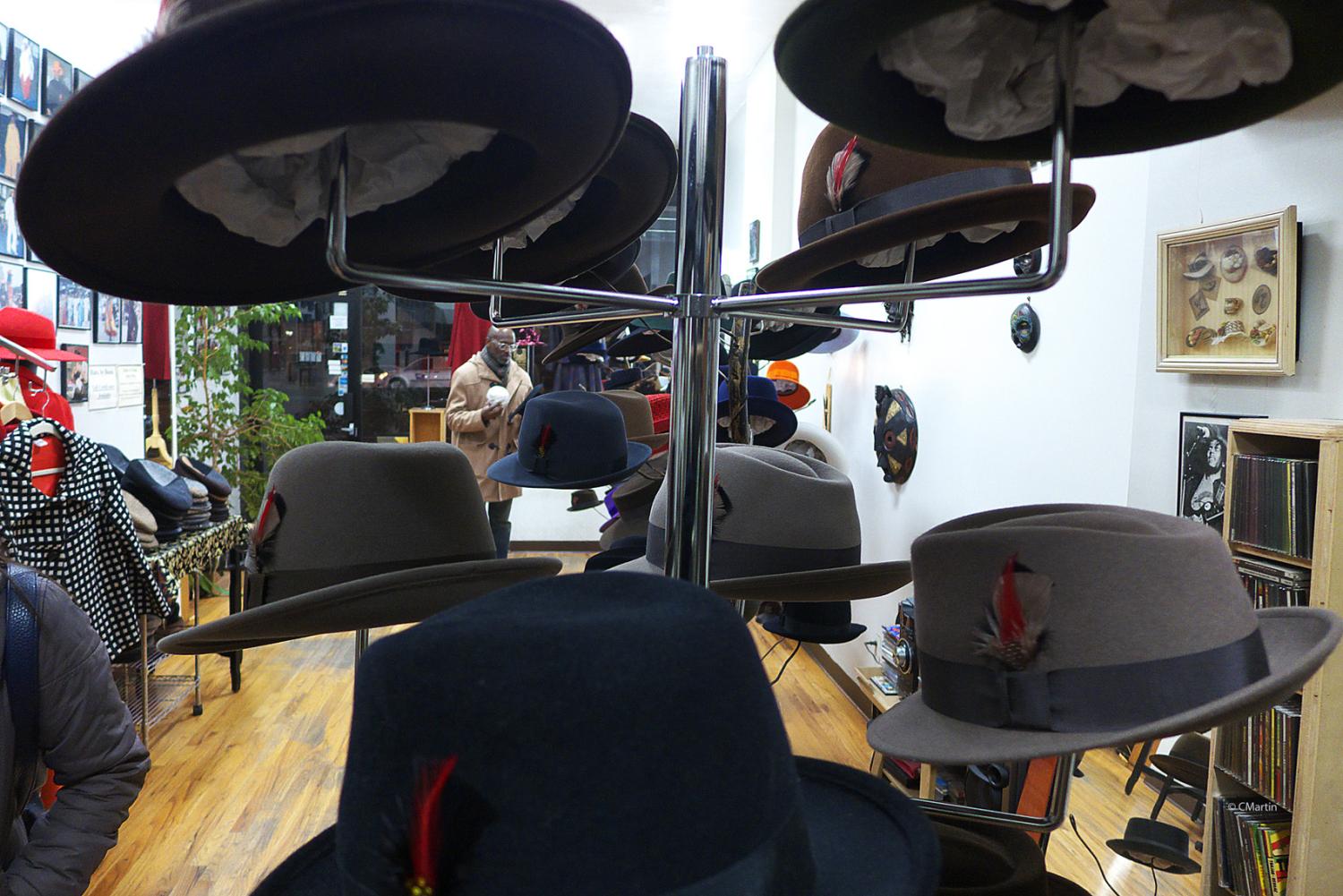
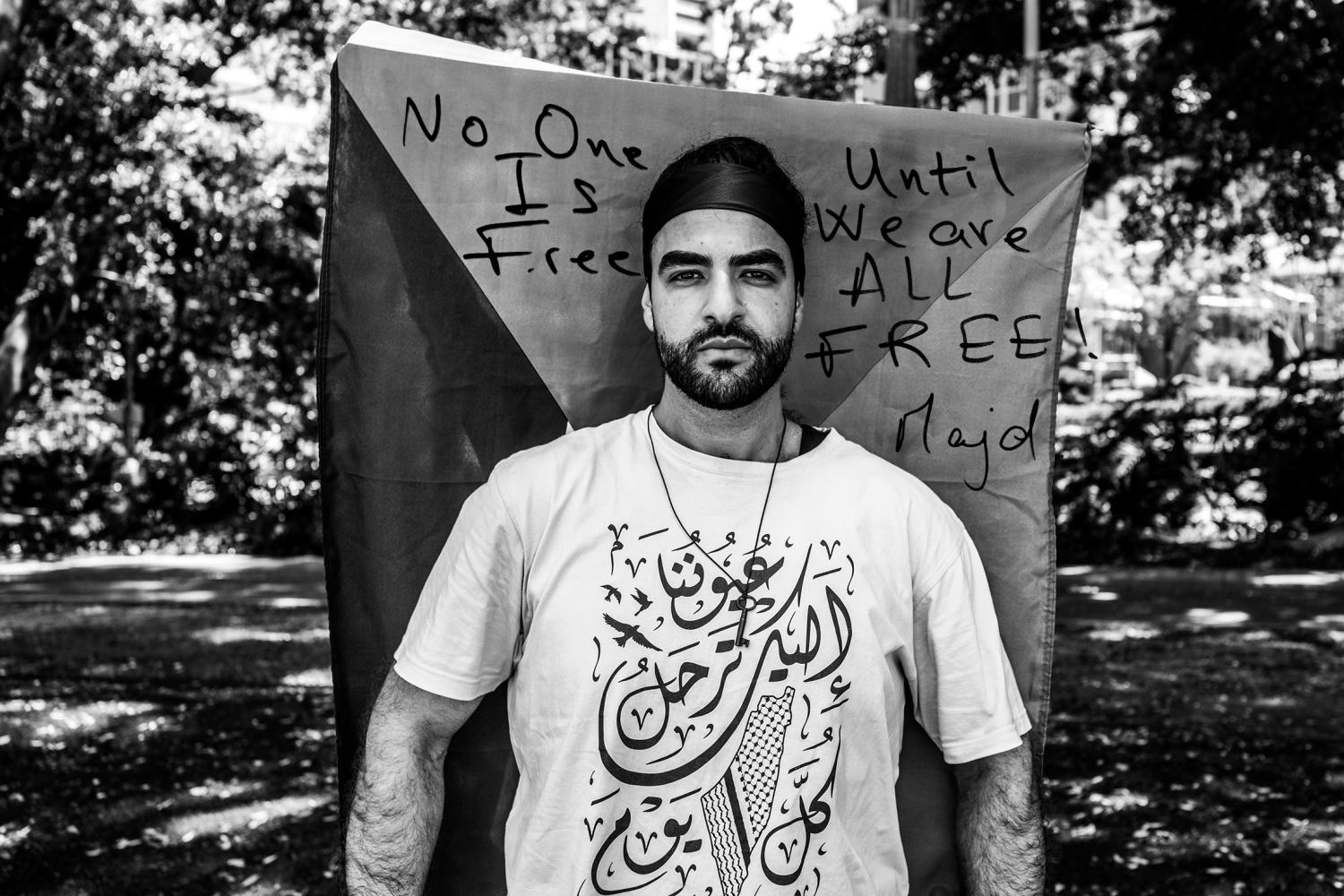
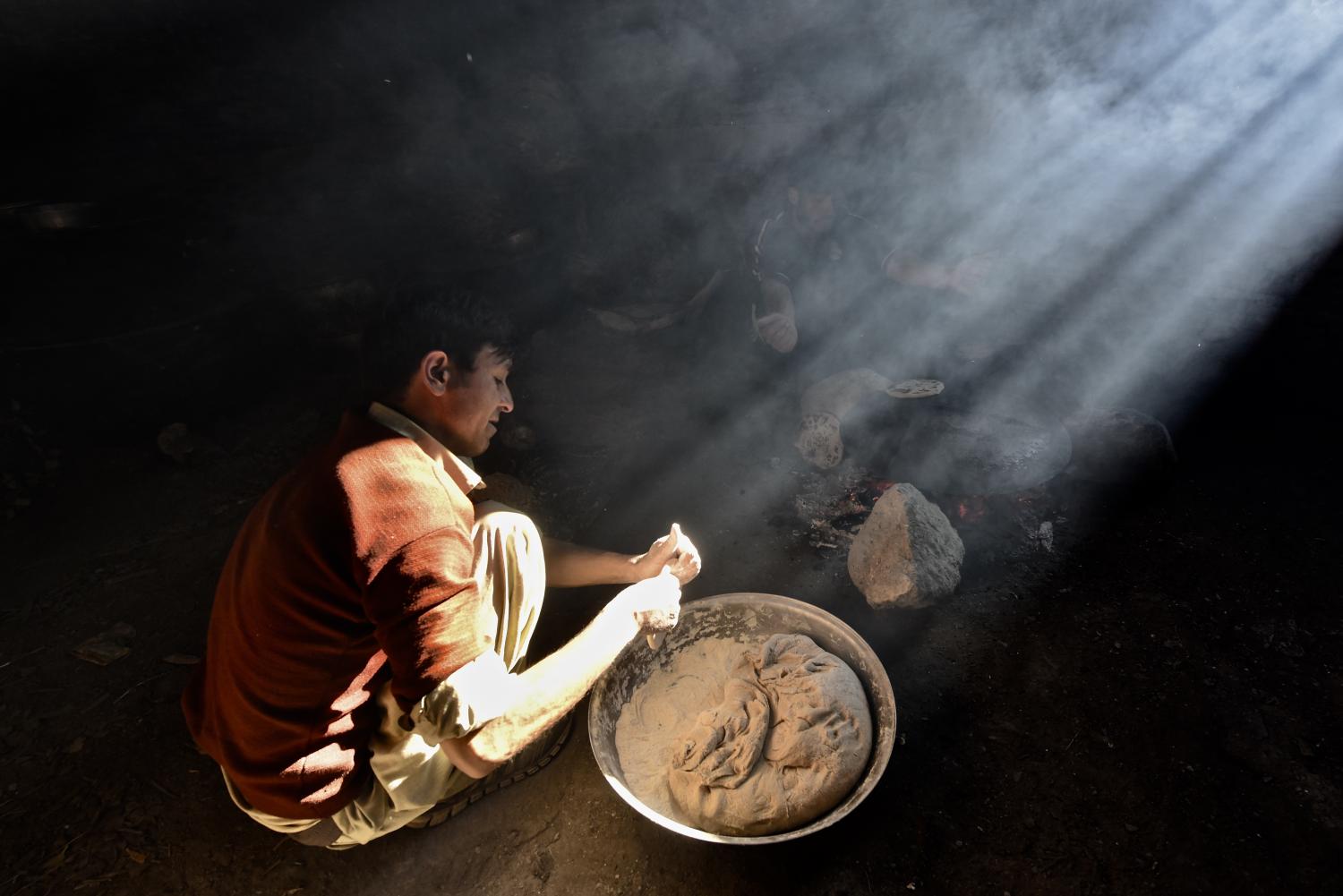
The alleyway between the houses, constantly crowded by people, also serves as a kitchen for most houses.
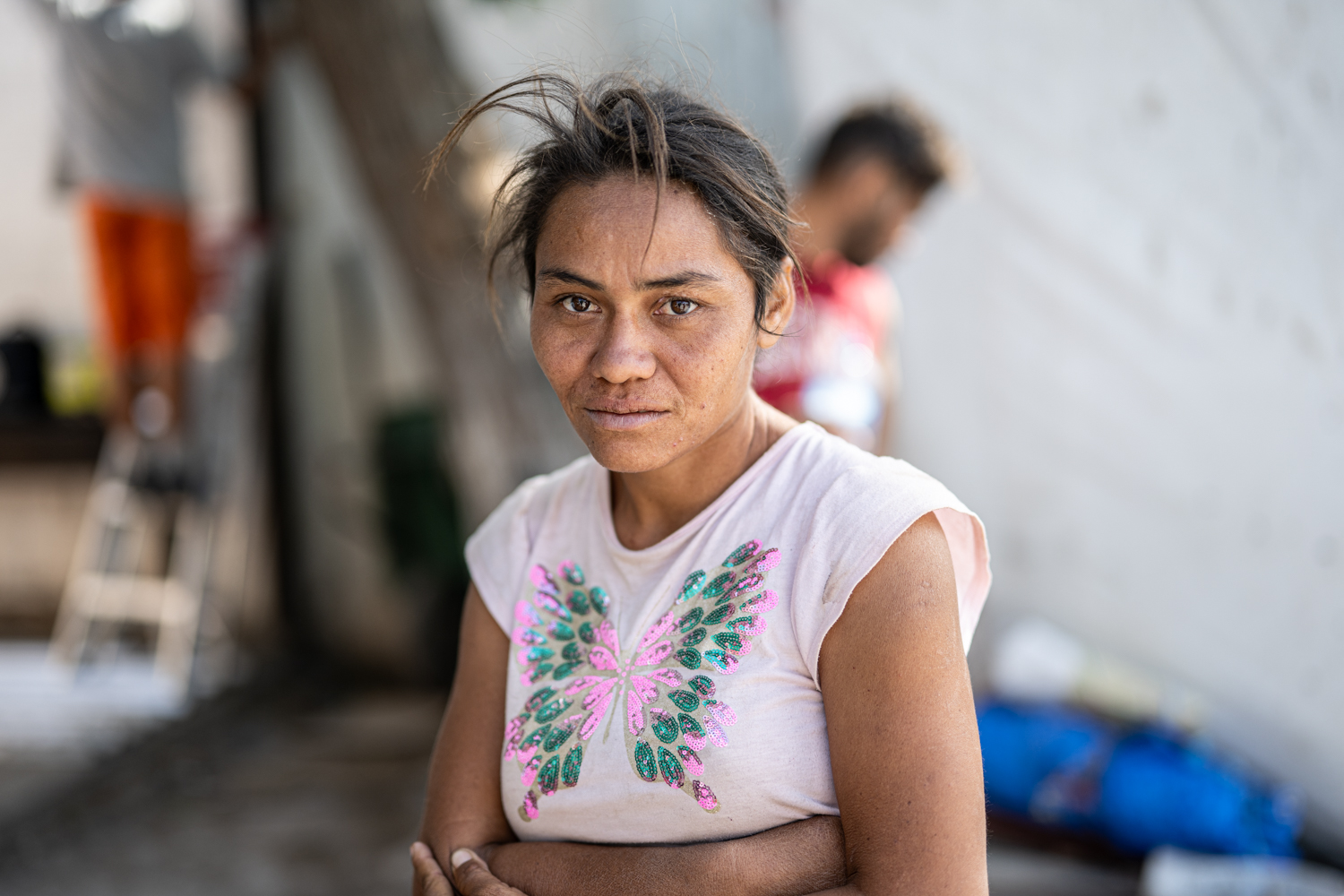
“People of the city can’t live even a single day if we stop serving you, but we couldn’t be a part of you still now,” said Shahara Khatun, a 66 years old woman of Dhaka’s Bihari camp. For the last 36 years, 22,000 people, packed in an area of 60,000 square metres, have lived, breathed, reproduced and survived, without the protection, benefits and recognition of a state, in a small section of the Dhaka city’s Mohammadpur area known as ‘Geneva Camp’, in the ‘state’ of Bangladesh.
The community has been forced to live as 'refugee' as a retribution of supporting Pakistan, during independence of Bangladesh. A community that possess many useful and sublime skills in labour, one that has its own literature and language, its own norms and customs, many culinary and cultural treats, have been buried under the title ‘refugee’. Today, in the twenty-first century the Biharis still exist without a state.


During my teens, I used to sneak out of my house when my mother is still in her afternoon siesta. I used to run through the small lane, go round and round with friends and finally reach to a slum like place. Elderly people used to call it “Camp Bazaar”. They said, these were temporary housing made for the Biharis after liberation war, who opted for Pakistan. Biharis were very keen on taming wild pigeons. I used to get bemused seeing Maruf, Mizan or Sahadat taking those pigeon out of the hole of tiny sheds and play with them. One day, Mizan gave me a pair of white pigeon. I always wanted to have my very own pigeons to raise them in my veranda of our rented house. But bringing any gift from Biharis was not allowed at home. My dreams were shattered and my parents grounded me, as they used to think; being in company of Biharis will derail me.
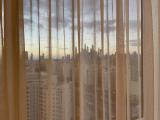
Being a photographer, I started exploring my own experience in the camp. Among the overwhelming population in the tiny camp I found a strong neighbourhood. Patches of sky seen through the shabby quarters and narrow allies of the slum was the only breathing space for the dwellers. A space without any empty space, embroidery works by women, religious environment continued to characterize the life of the camp. Here, kids still fly their pigeon; milads (religious recitation) are performed in tiny shelters, children runs through the allies.
To license this work for editorial, creative, or other uses, click on the OZMO logo above.
This will take you to the Ozmo website where you can review the cost and license for the photographs in this exhibit.
You will need to create an account with both Amazon payments and with the Ozmo website as described on the Ozmo website.

International justice, Migration and immigration, Peace, Civil rights, Discrimination/Minority rights, Domestic politics, Community, Bihari, Refugee, Stranded, Pakistani, India,



e-mail: andrewbiraj@gmail.com
cell: +88-01817-041630
www.andrewbiraj.com