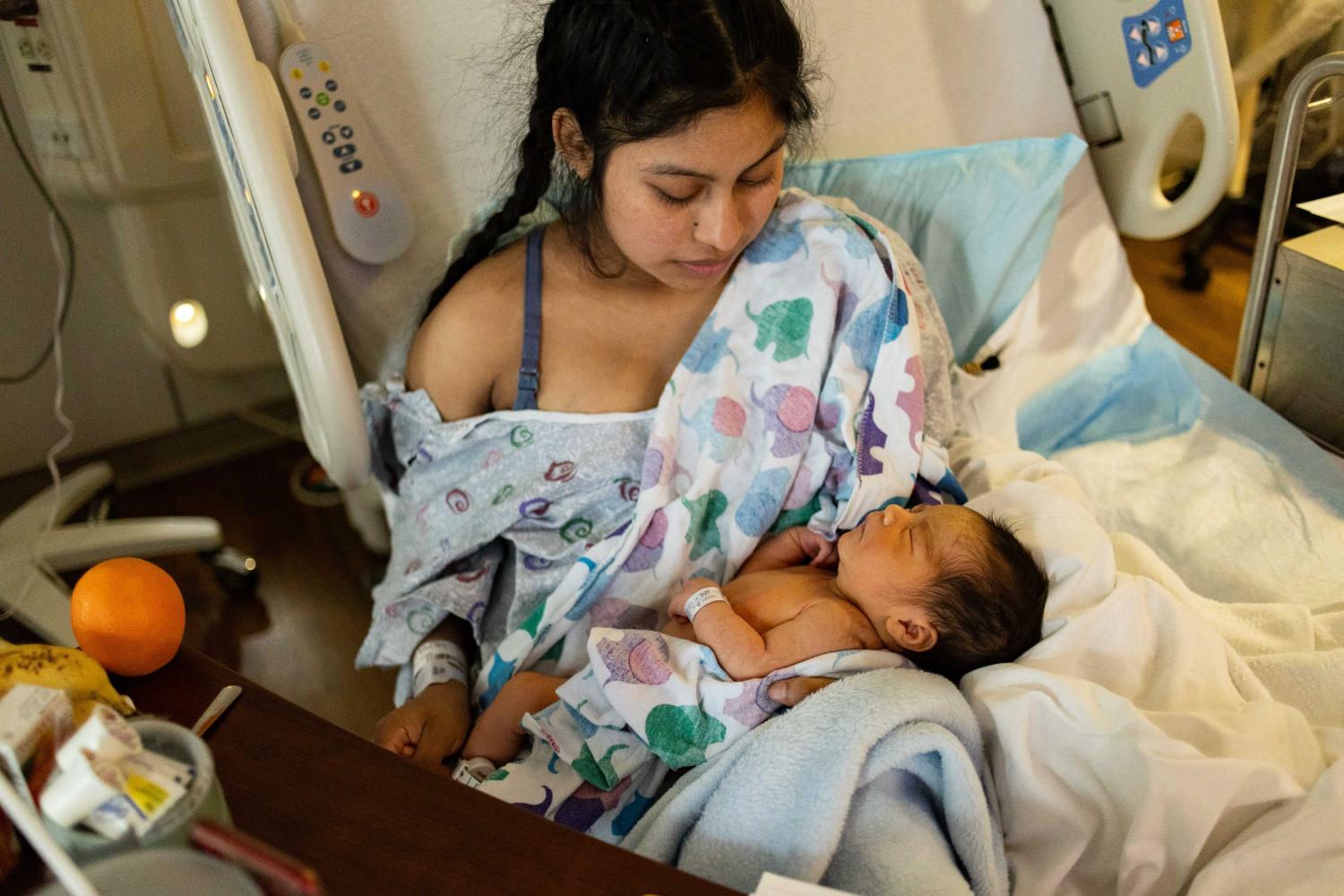
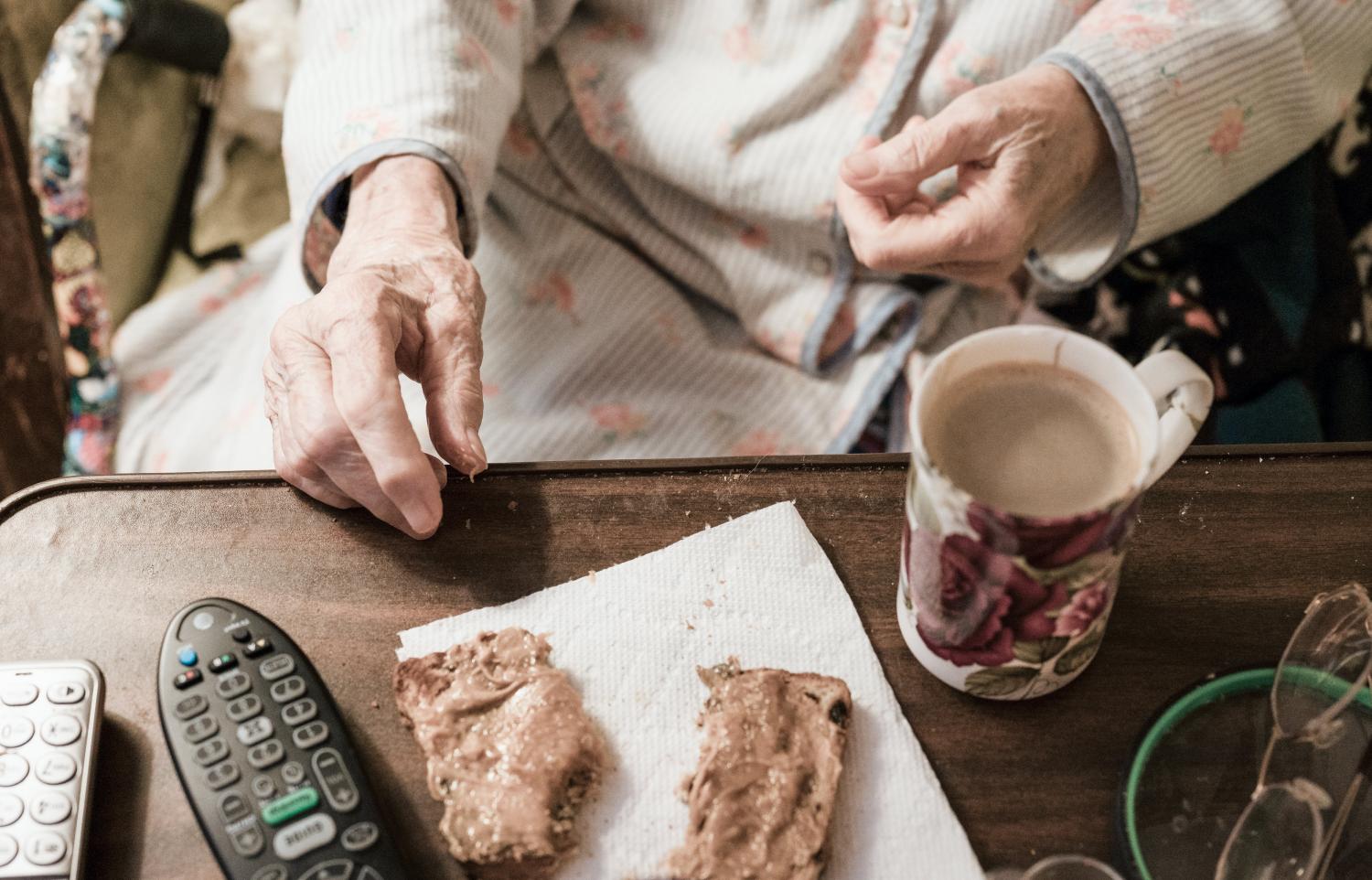
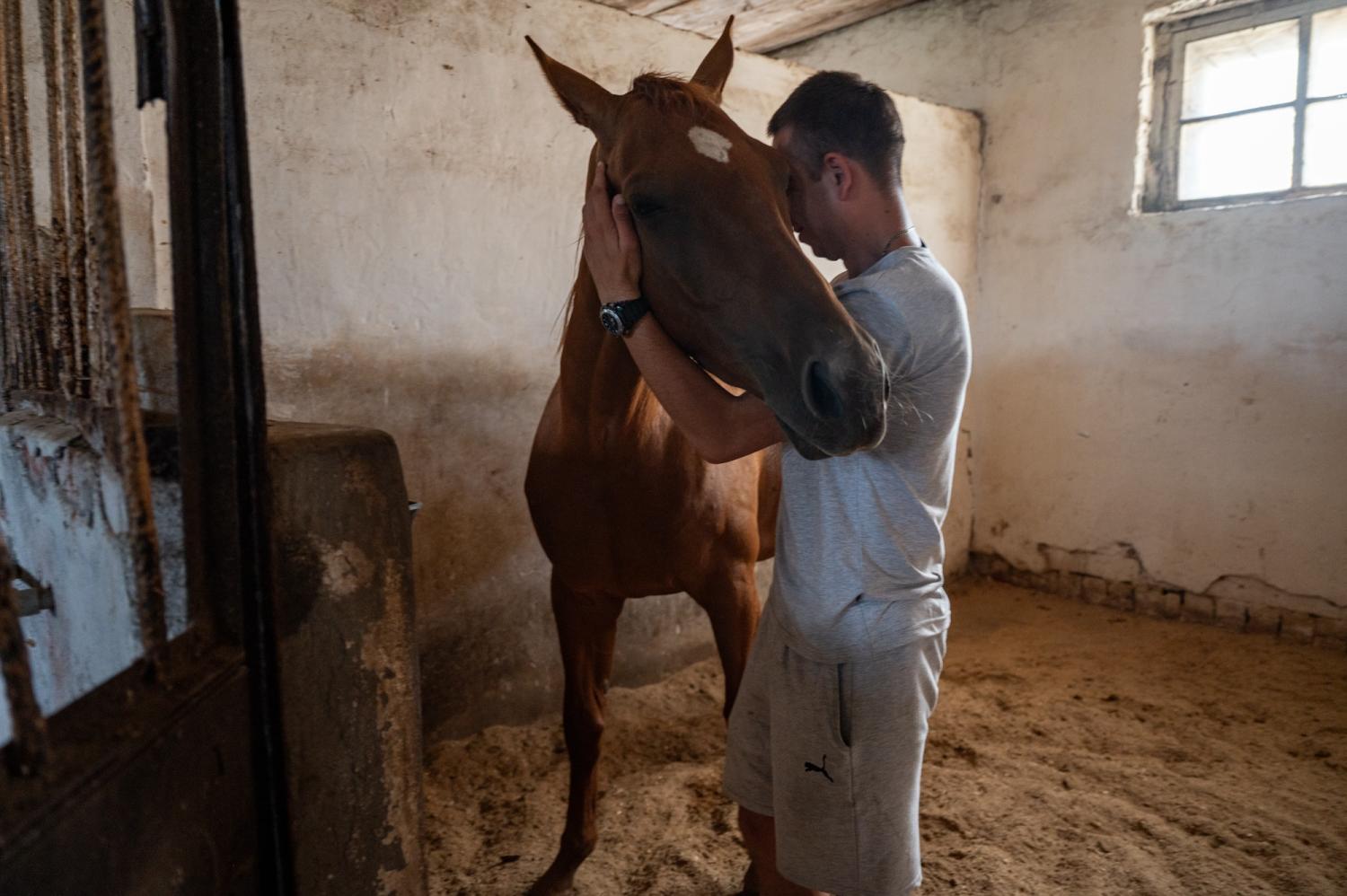
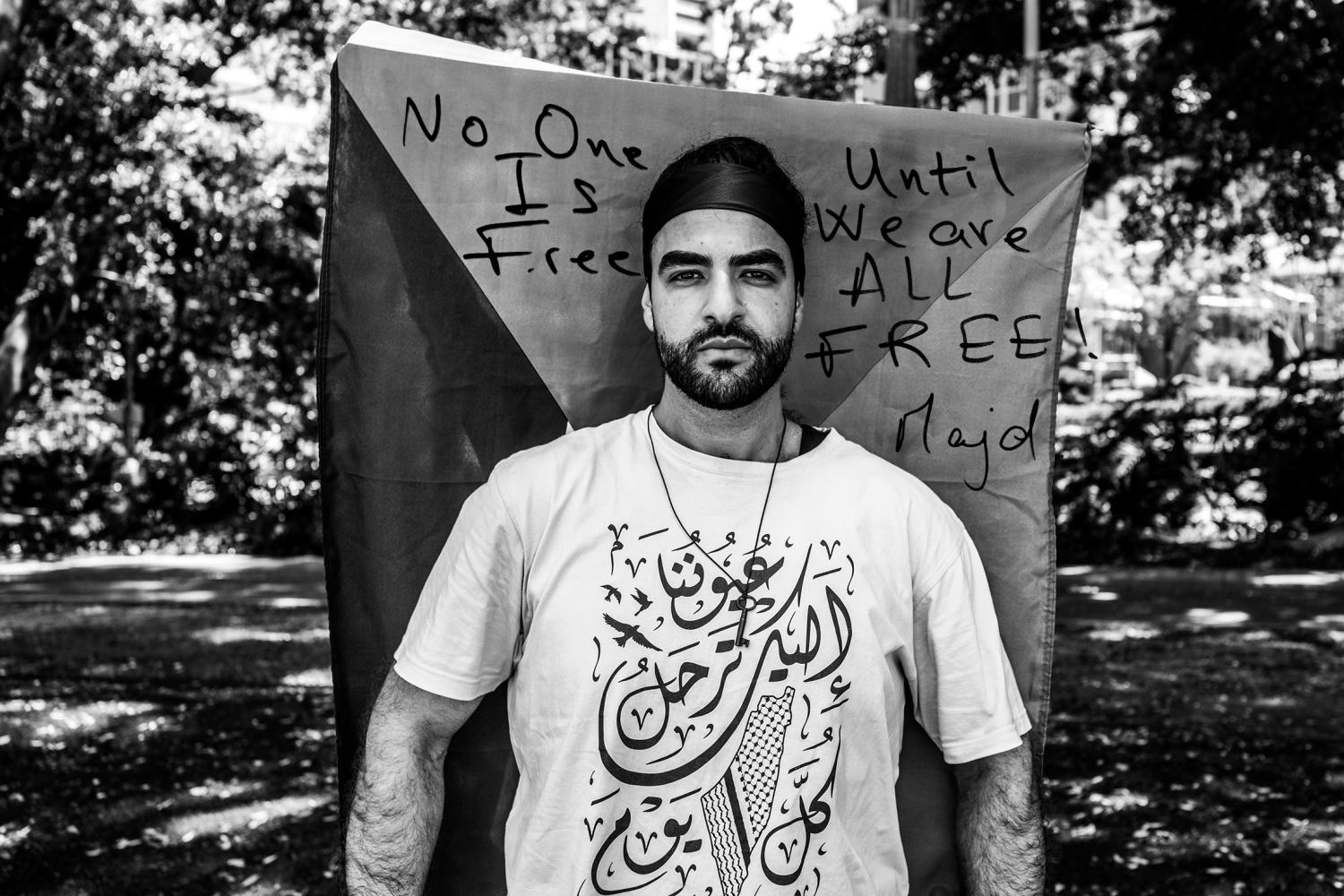
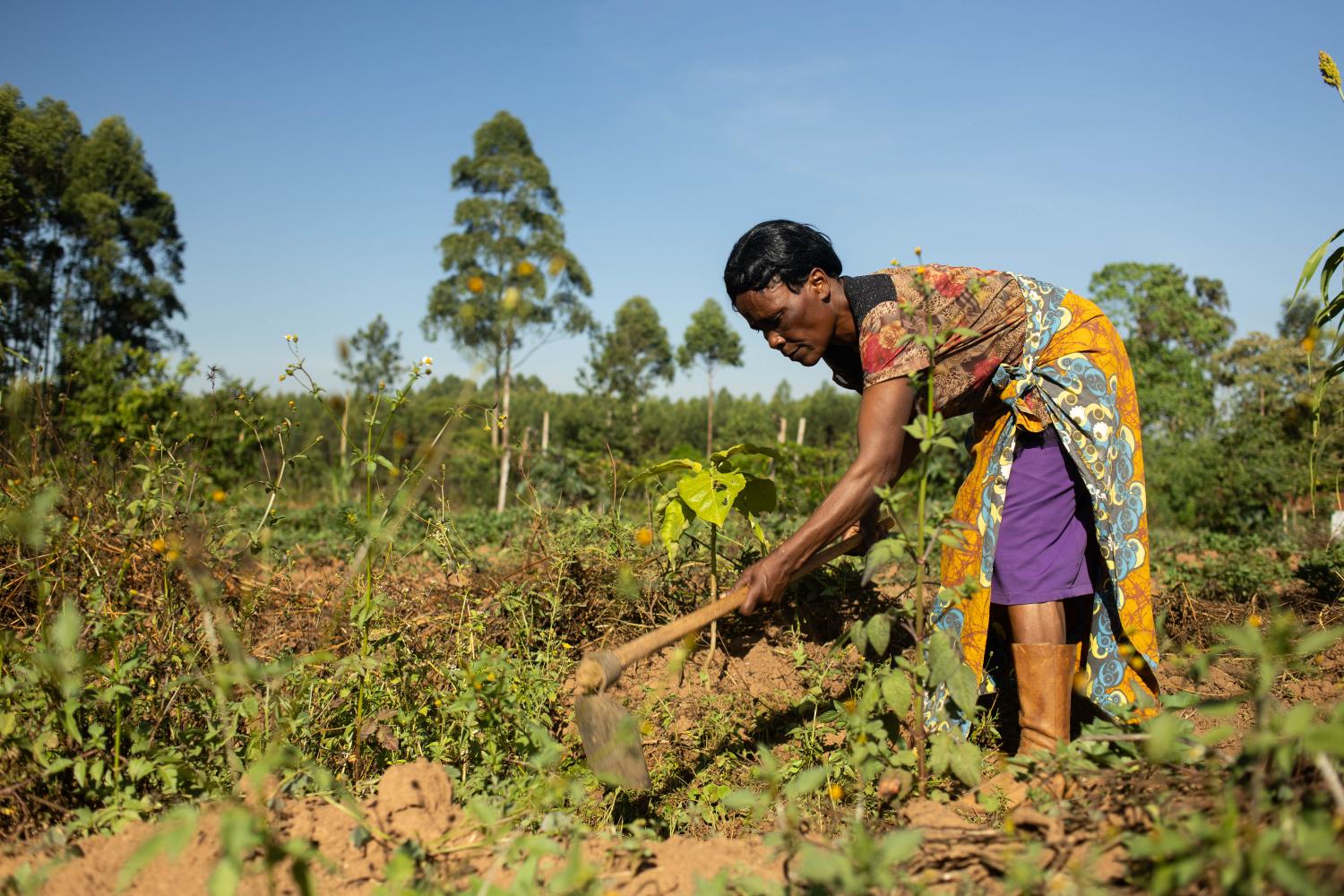
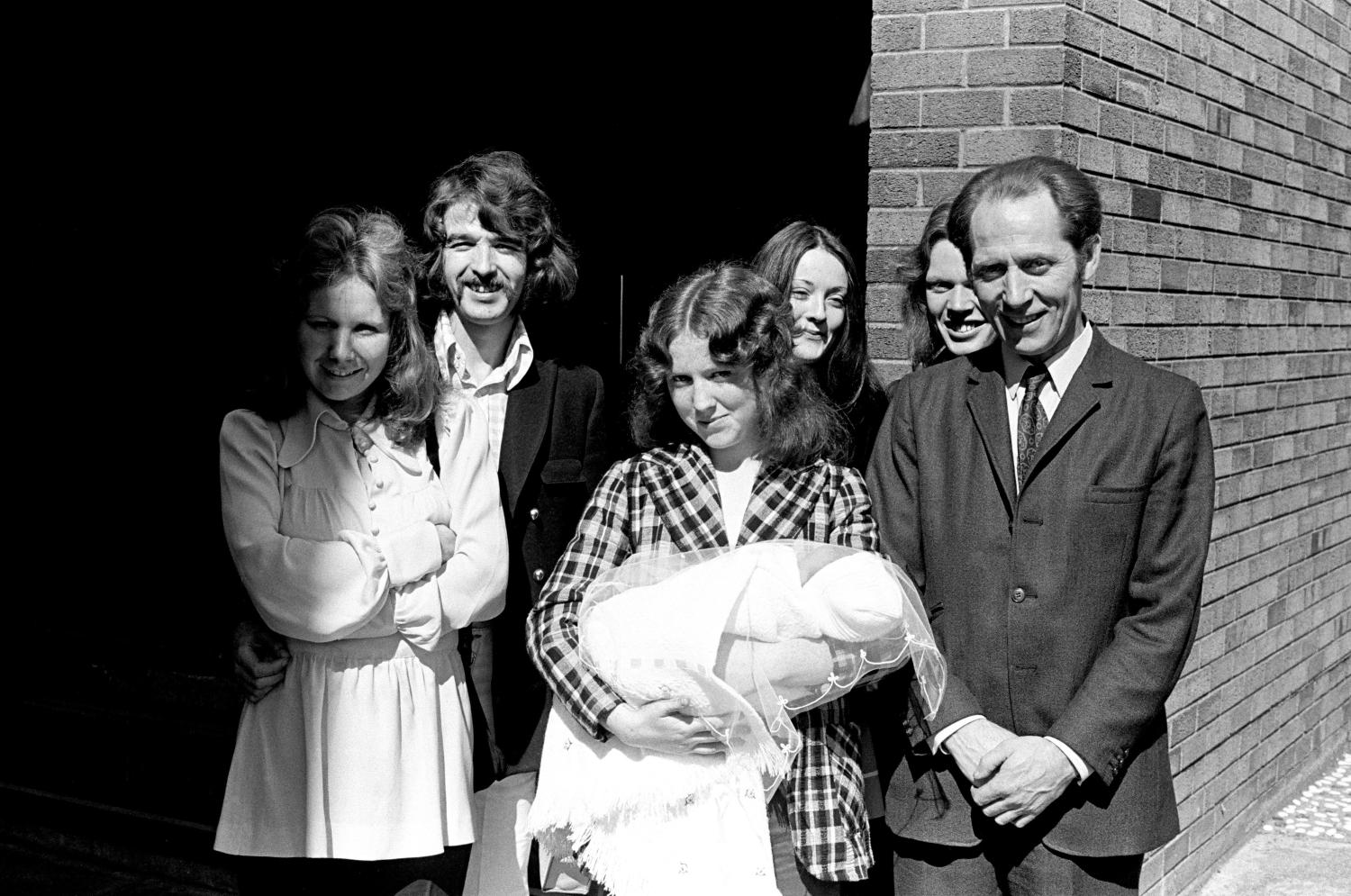
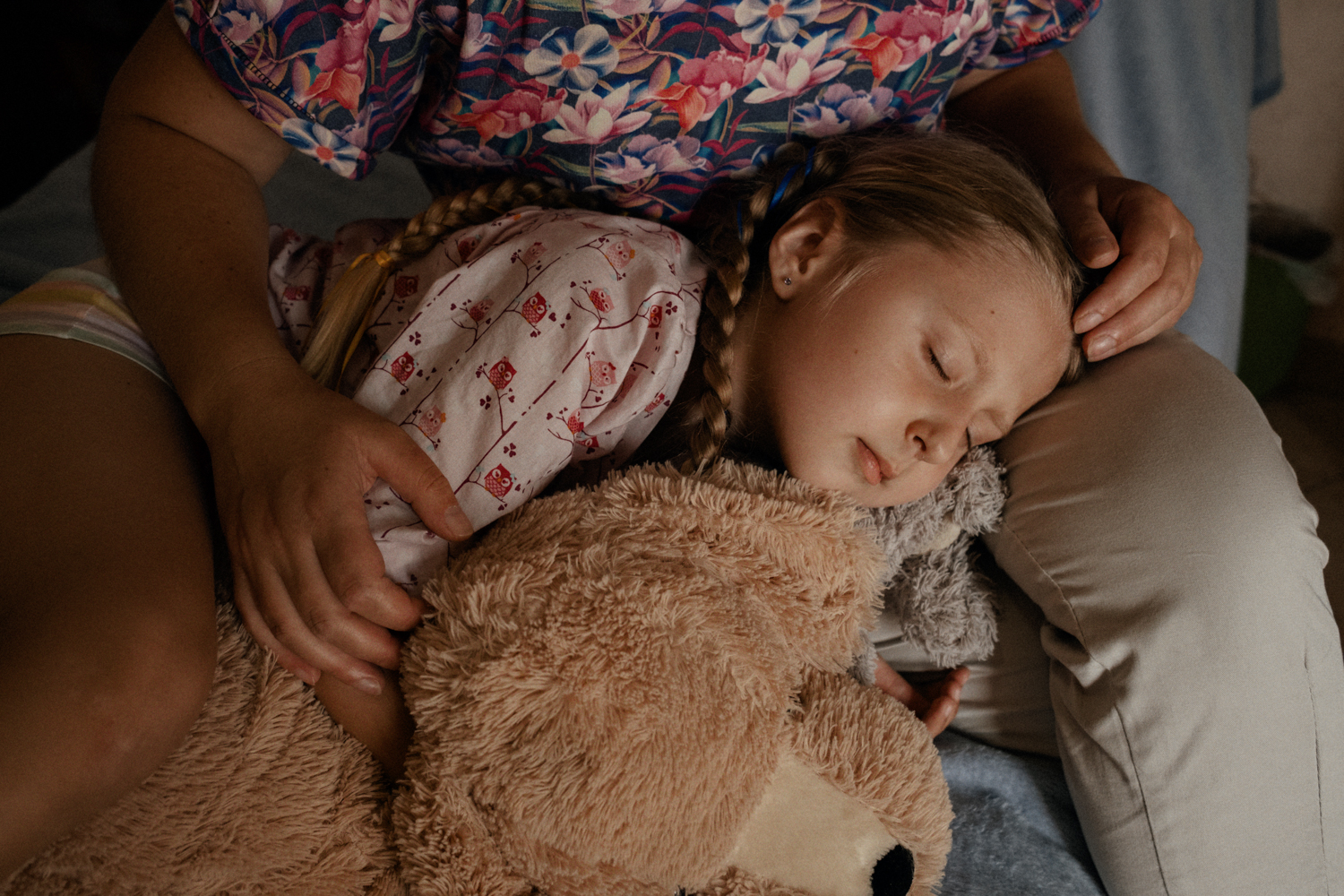
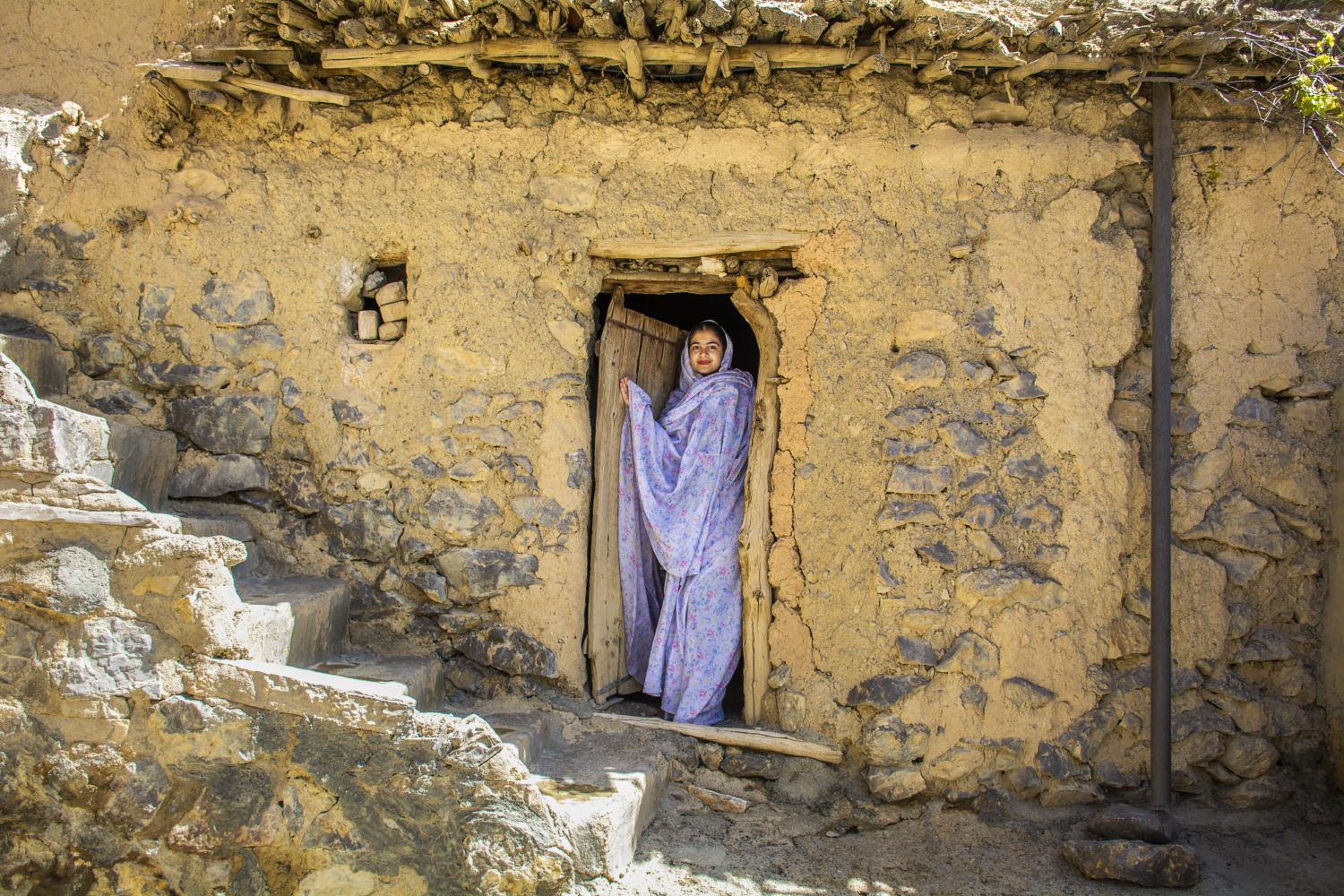
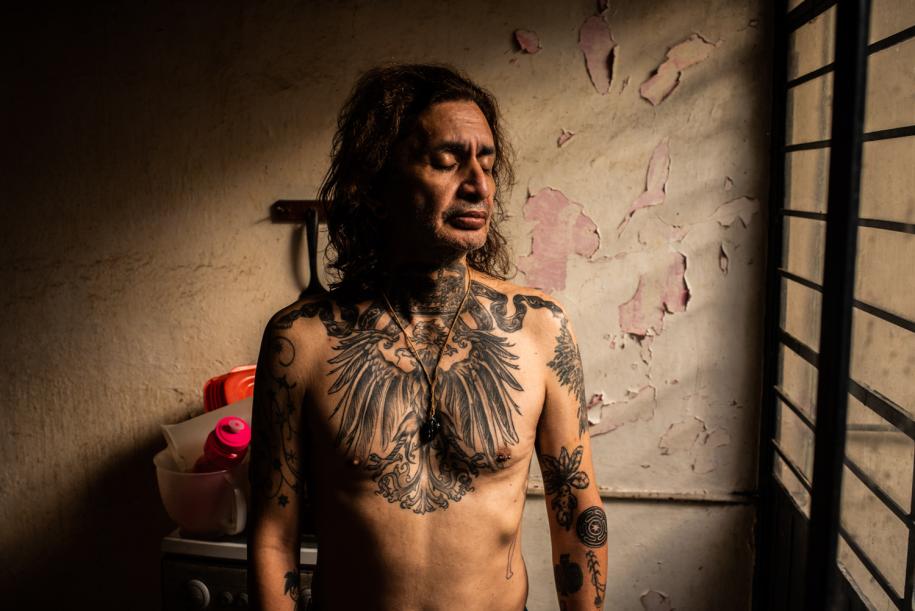
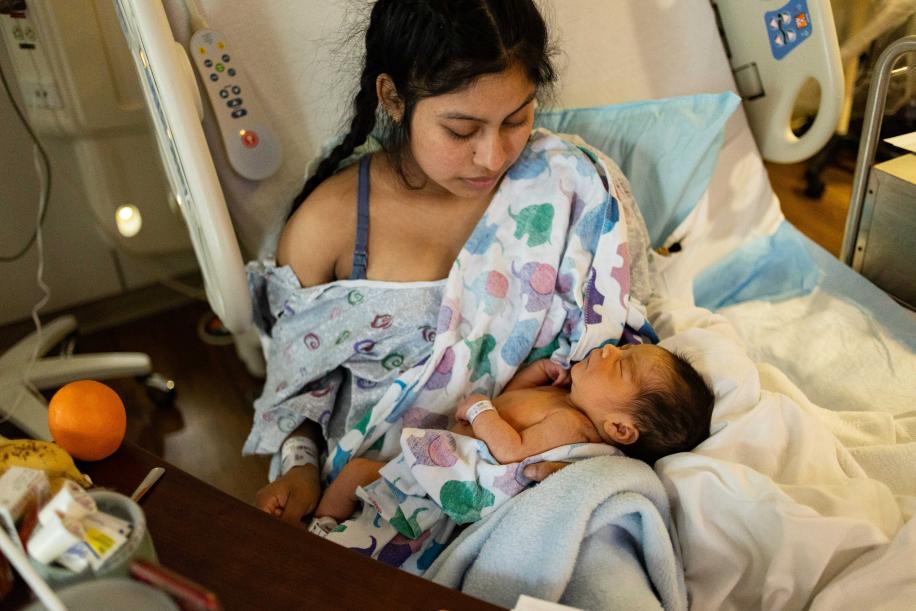
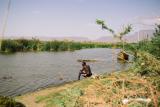
The dangers for women when they give birth are very real in many poor countries. In Sierra Leone, a woman faces a one-in-eight chance of dying during childbirth in her lifetime. More than 270,000 women around the world die each year before, during, or after childbirth. That’s 1,000 women every day dying. Most of the coverage of this problem begins and ends in the delivery room at a hospital. But what happens if the mother survives these dangerous odds and then takes her newly born child home and home is an environment filled with mounds of raw sewage and devilish water. These environments are large-scale magnet for a host of waterborne killer diseases such as diarrhea, cholera, polio and malaria. These unforgiving environments kill one-in-five of Sierra Leone’s children before the age of five. In 2010, according to UNICEF a child in poor environments often carry 1,000 parasitic worms in their bodies at any time and diarrhea kills more young children each year than HIV/AIDS, tuberculosis and malaria combined.
I know the head of reproductive health in Sierra Leone’s Health Ministry, a doctor who committed his life to improving health conditions for women after he tried to save a pregnant women’s life in the far reaches of northeastern Sierra Leone a few years ago. Men carried the woman on a stretcher for three days to reach the hospital. They brought her to the operating table. ``Before we could lay hands on her,’’ Samuel Kargbo told me, ``she died. I will never forget her.’’
That’s my goal as well. I want others not to forget. I want to bring people inside the lives of people on these hidden frontlines, and show how sadly vulnerable a woman and her child is, in many poor countries.

To license this work for editorial, creative, or other uses, click on the OZMO logo above.
This will take you to the Ozmo website where you can review the cost and license for the photographs in this exhibit.
You will need to create an account with both Amazon payments and with the Ozmo website as described on the Ozmo website.