Working refugees from Ethiopia and Somalia - Horn of Africa
They come from the Ethiopian highlands, Mogadishu in Somalia, they run all the same poverty, civil war, the drought and famine, and find themselves on the roads of exile.


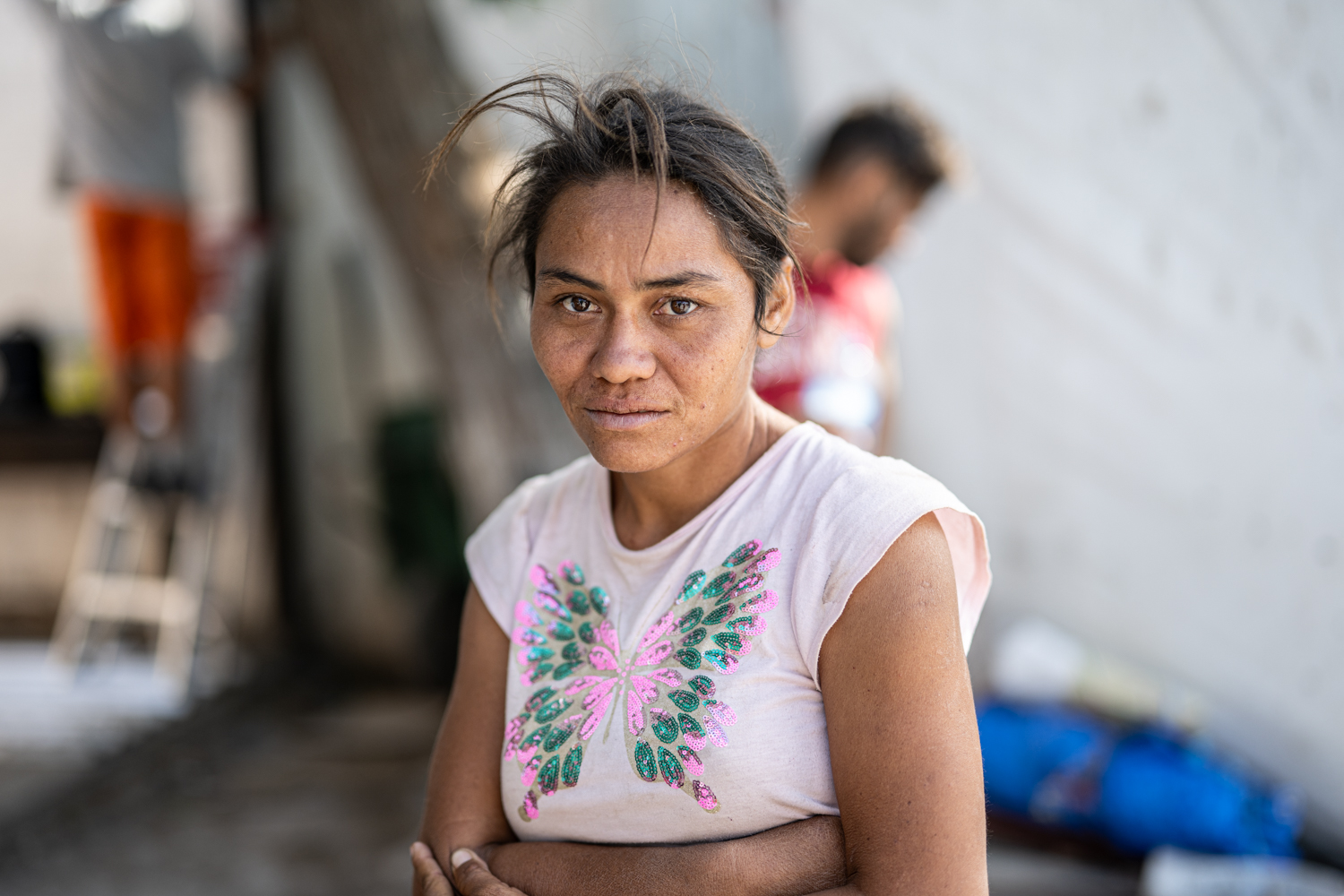
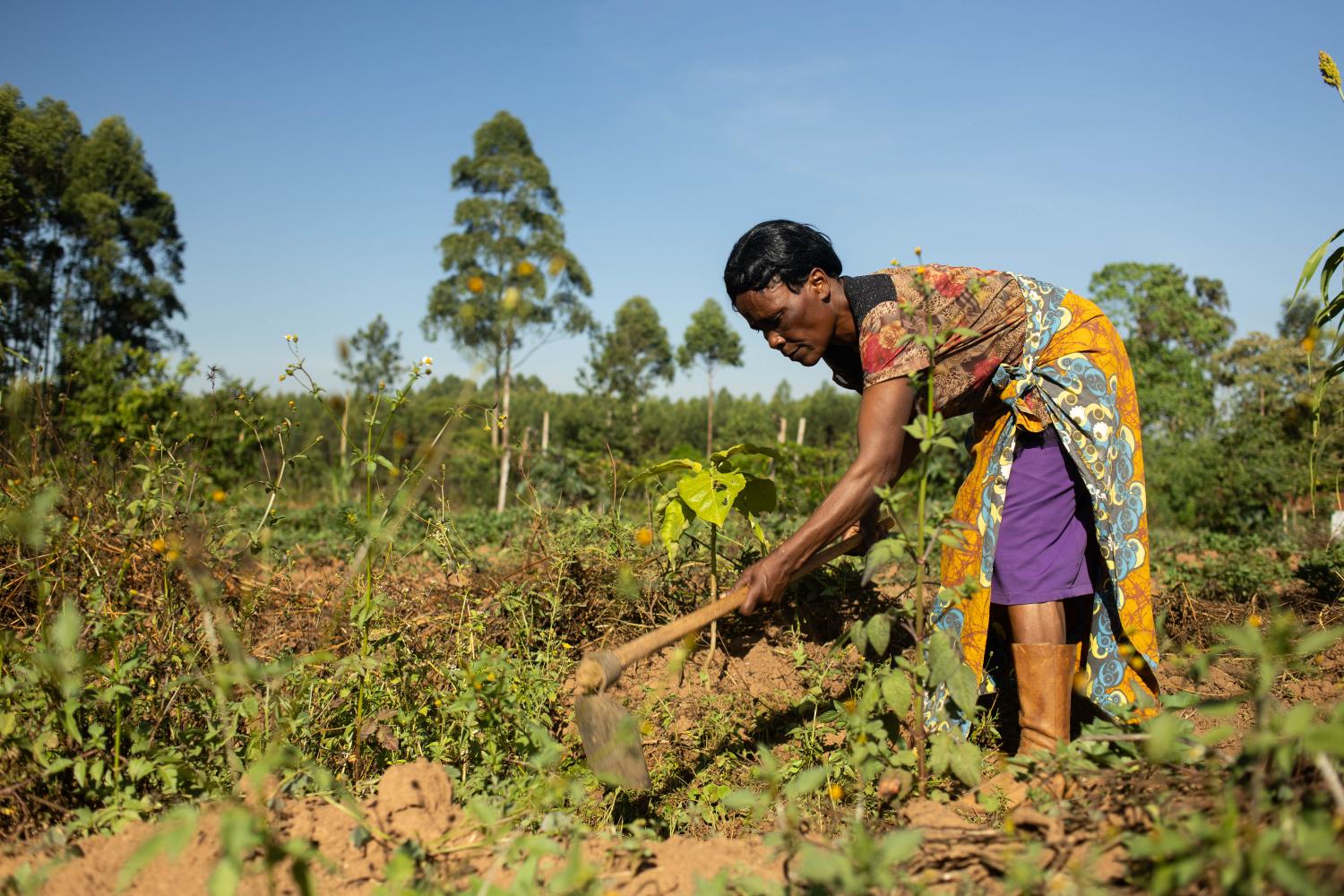
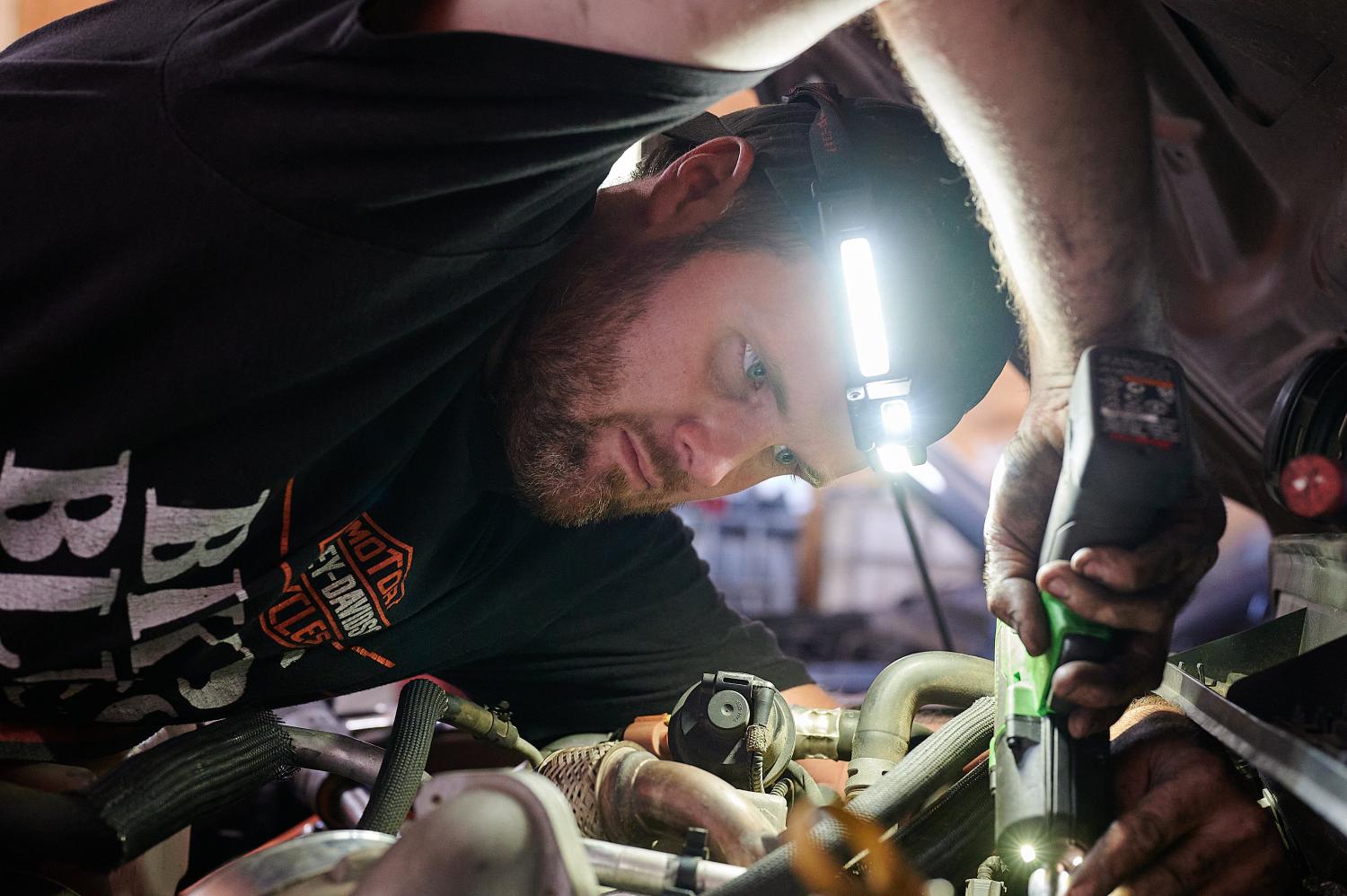
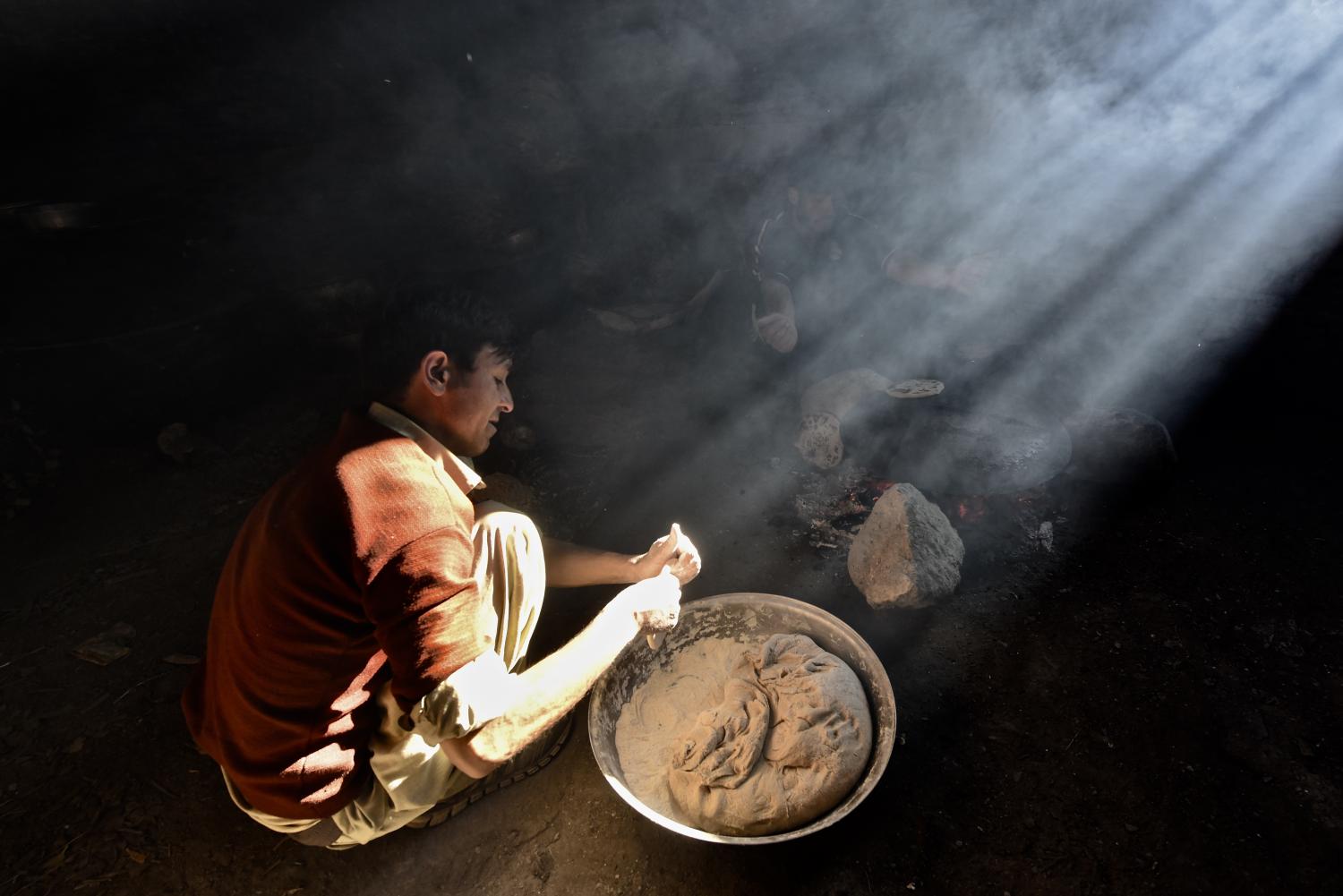
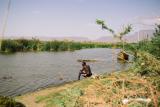
They come from the Ethiopian highlands, Mogadishu in Somalia, they run all the same poverty, civil war, the drought and famine, and find themselves on the roads of exile. Yet in this Horn of Africa, again under the media spotlight, it is possible, provided that one focuses a bit, crossing another reality for the exiles, as refugee camps and smuggling of migrants. For many of them, Djibouti becomes, because of its location, wedged between Eritrea, Ethiopia, Somalia and the Gulf of Aden, the obligatory passage to a better life. This is in Djibouti that can then meet reality sometimes just as hard and steep, but a reality tinged with hope, another reality of subsistence. The invisible world of Djibouti. These men also fled their country but they have created on the fringe areas of the city, on a priori sterile spaces, real economic activity. These lands become a stop of hope where hard work and sacrifice, they hope to earn what little they can reach a more promising land across the Gulf of Aden. Who are these exiles from running aground on the outskirts of Djibouti? How to organize their subsistence she? What are the hopes that daily drive them to endure such toil?
Qu’ils viennent des hauts plateaux éthiopiens, de Mogadiscio en Somalie, ils fuient tous la même pauvreté, la guerre civile, la situation de sécheresse et la famine, et se retrouvent sur les routes de l’exil. Pourtant, dans cette corne de l’Afrique, à nouveau sous les feux médiatiques, il est possible, pour peu que l’on s’attarde un peu, de croiser une autre réalité pour les exilés, que celle des camps de réfugiés et du trafic de migrants clandestins. Pour nombre d’entre eux, Djibouti devient, de part sa situation géographique, coincé entre l’Erythrée, l’Ethiopie, la Somalie et le golfe d’Aden, le passage obligatoire vers une vie meilleure. C’est à Djibouti que l’on peut alors rencontrer une réalité parfois tout aussi dure et abrupte, mais une réalité teintée d’espoir, une autre réalité de la subsistance. Le monde des invisibles de Djibouti. Ces hommes ont aussi fuit leur pays mais ils ont su créer sur des zones en marge de la ville, sur des espaces à priori stériles, de vraies activités économiques. Ces terres deviennent alors une halte d’espoir où à force de travail et d’abnégation, ils espèrent gagner le peu qui leur permettra de rejoindre une terre plus prometteuse de l’autre côté du Golfe d’Aden. Qui sont ces exilés venus s’échouer aux portes de Djibouti ? Comment leur subsistance s’organise-t-elle ? Quels sont les espoirs qui chaque jour les poussent à endurer un tel labeur ?
To license this work for editorial, creative, or other uses, click on the OZMO logo above.
This will take you to the Ozmo website where you can review the cost and license for the photographs in this exhibit.
You will need to create an account with both Amazon payments and with the Ozmo website as described on the Ozmo website.

Migration and immigration, The human condition, Work, Afrique, Africa, invisibles, djibouti, somalia, somalie, ethiopia, ethiopie, éthiopie, horn of africa




Emmanuel MARTIN
photographer
co-manager [at] BLACKSIGHT PRODUCTIONS
Tel : (00 253) 77 64 62 30
Email : em[at]emmanuelmartin.com
Base camp : Djibouti - Republic of Djibouti - Horn of Africa
Website : www.emmanuelmartin.com
Website : www.behance.net/emmanuelmartin
Website : www.blacksightproductions.com