The United States, with more than 5.1 million people confined in prisons or jails or under some form of correctional control, has the highest incarceration rate in the world. The United States also imprisons more of its racial minorities than any other country in the world. (1)

In Washington, D.C., the numbers are even higher. Here, three out of every four young black men are expected to serve some time in prison. An estimated 60,000 people in Washington, D.C., have criminal records, and about 8,000 of them return to the city each year after serving sentences in prison or jail. (2) According to one local advocate, “For the generation of black children today, there’s almost an inevitable aspect of going to prison.” (3)
These individuals have often been introduced into a life of crime at an early age and have been traumatized by its accompanying violence.
“We dropped out of school, no nothing, no more education, straight to guns, straight to killings, straight to drugs. I wanted a piece of that American dream….By the time I was 21, I had over 15 friends of mine already murdered…brutally murdered. And the ones that were not brutally murdered, they ended up incarcerated.” (4)
After serving time in prison, many are resolved to turn their lives around and avoid being sucked back into the cycle of drugs and violence. However, they are released back into society with little or no transitional support.
The aftermath of imprisonment is one of the severely overlooked problems in this country. Persons with an arrest or conviction record encounter significant barriers to reentering society that persist long after their criminal sentence is completed. Previously incarcerated persons are affected disproportionately by unemployment, lack of available housing, restrictions on their eligibility for public assistance and food stamps, substance abuse, and physical and mental health problems, among others. Taken together, these lingering penalties are called “collateral consequences.” (5)



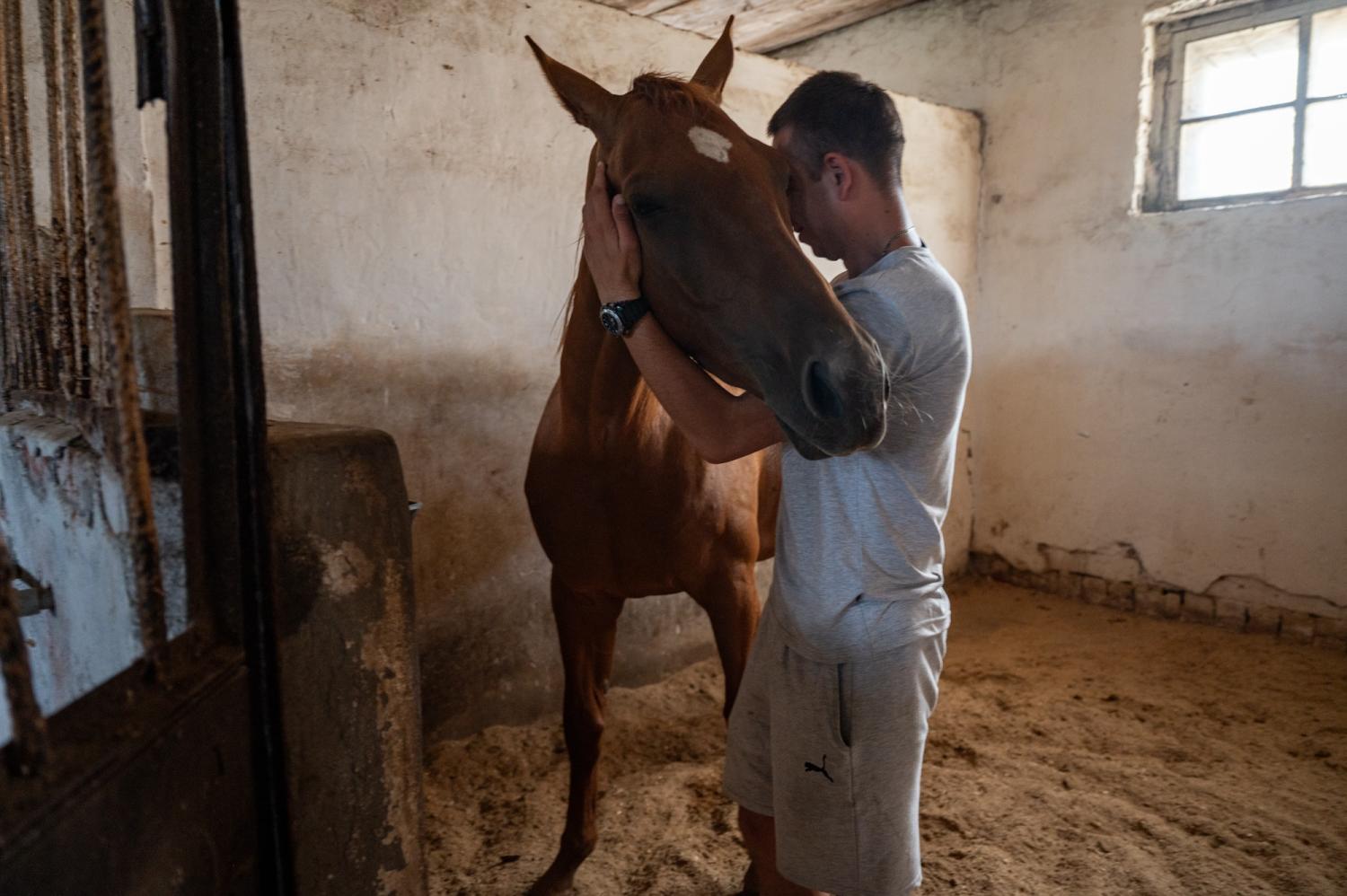
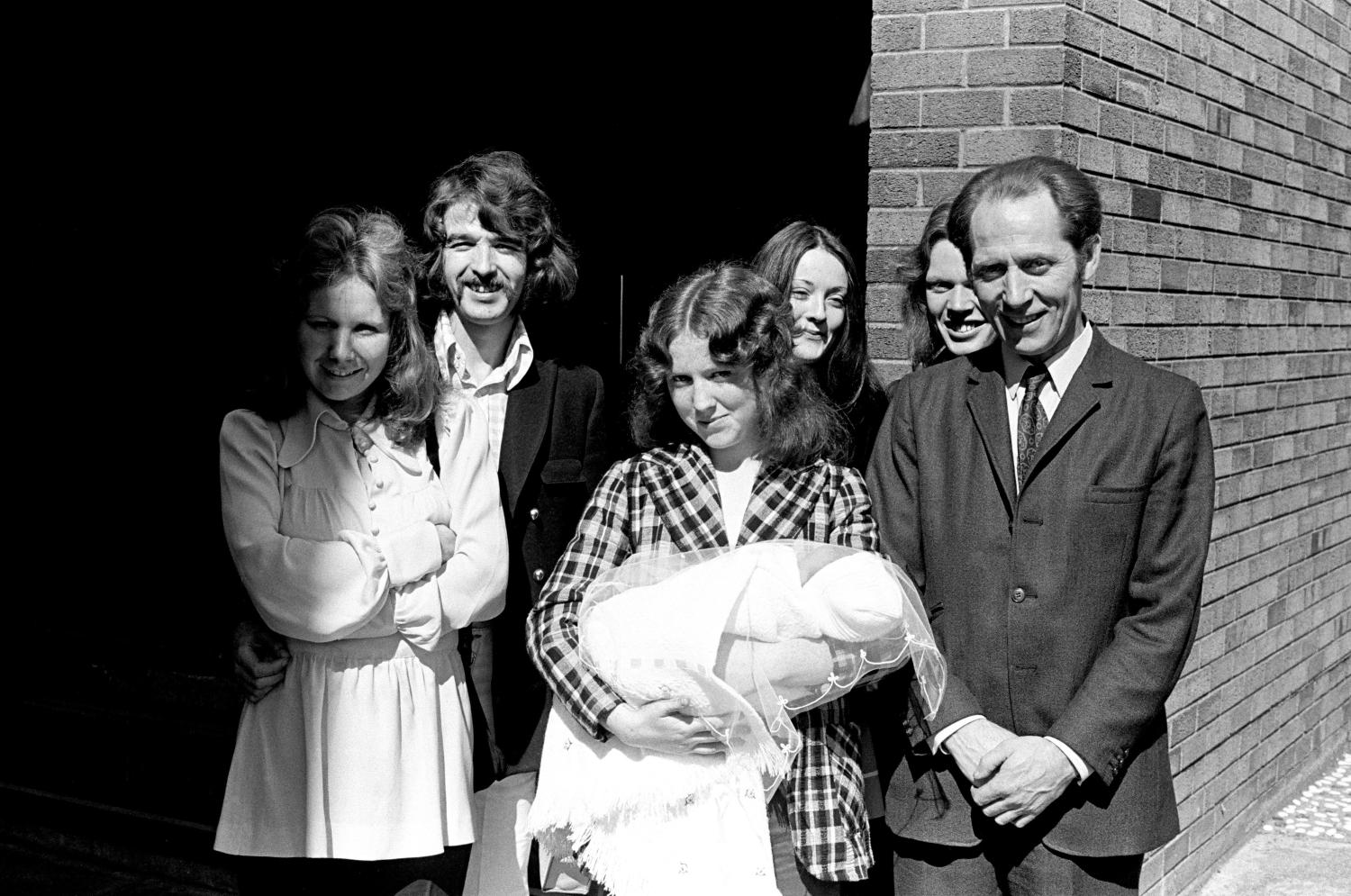
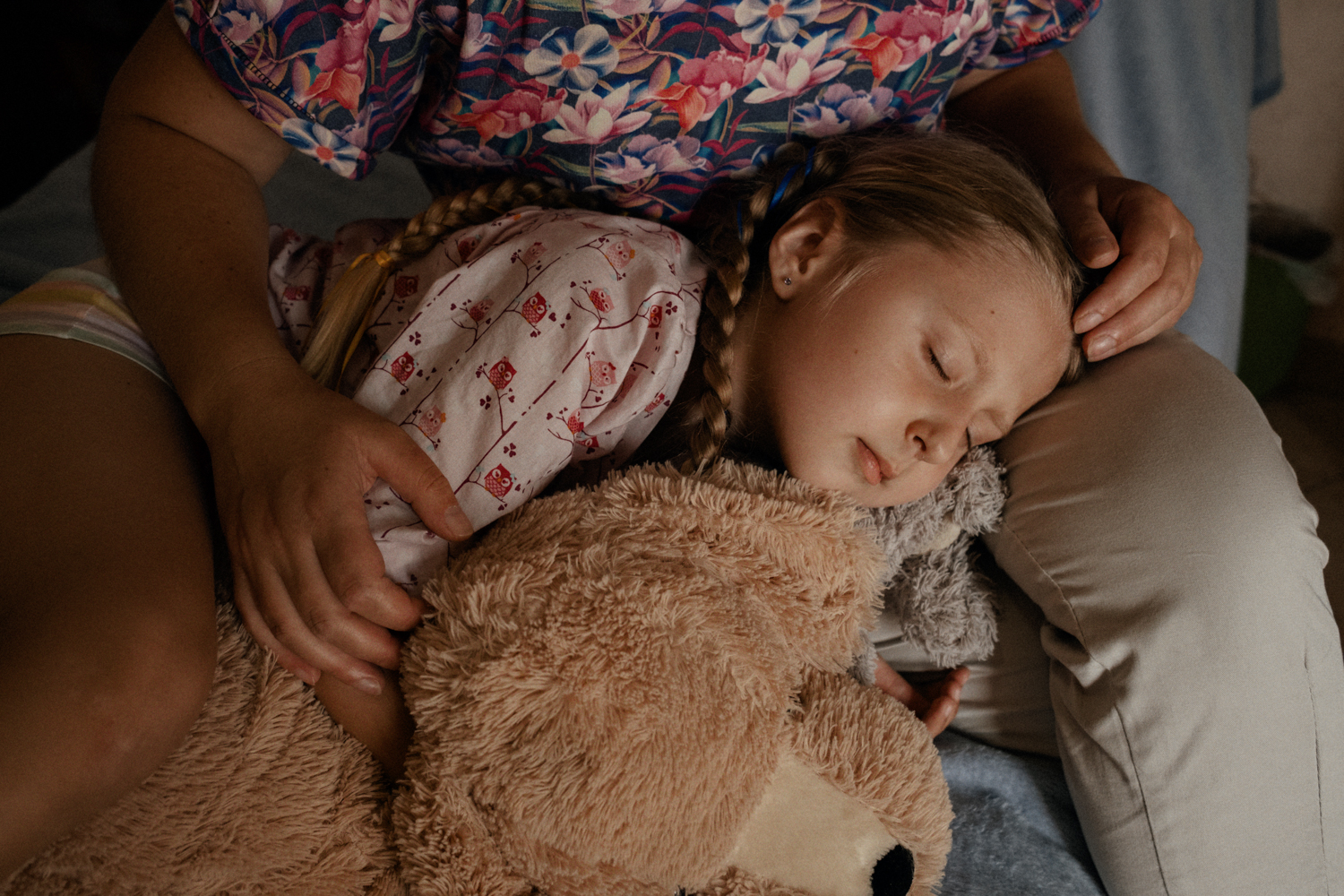
Moreover, imprisonment affects many other people besides the incarcerated individual. In fact, it is estimated that, for every person that is incarcerated, there are about ten people, including children, family members, and community members, who are also directly affected. My interviews with incarcerated men and their families universally confirm this tragic fact.
“The feelings, as a mother, of anguish and despair…I was not physically locked up, but for the past 16 and half years –mentally, emotionally, spiritually– I was locked up with him. The fear was devastating! People think that, even kids, they think that when they get into trouble that they are the only one who suffer going to jail, but it’s so untrue. I suffered, not one day, I suffered every day!” (6)
Working with formerly incarcerated men has been a humbling experience. The burden of conviction and the constant reminders of the past are constant sources of pain and anguish that rarely wane. Although these men have firmly resolved to turn their lives around, they often waver, and the challenges they are confronted with make them want to give up. If one cannot find a job, if he cannot provide for his family, he is always tempted to find an easier way to make money, by returning to selling drugs or “hustling.”
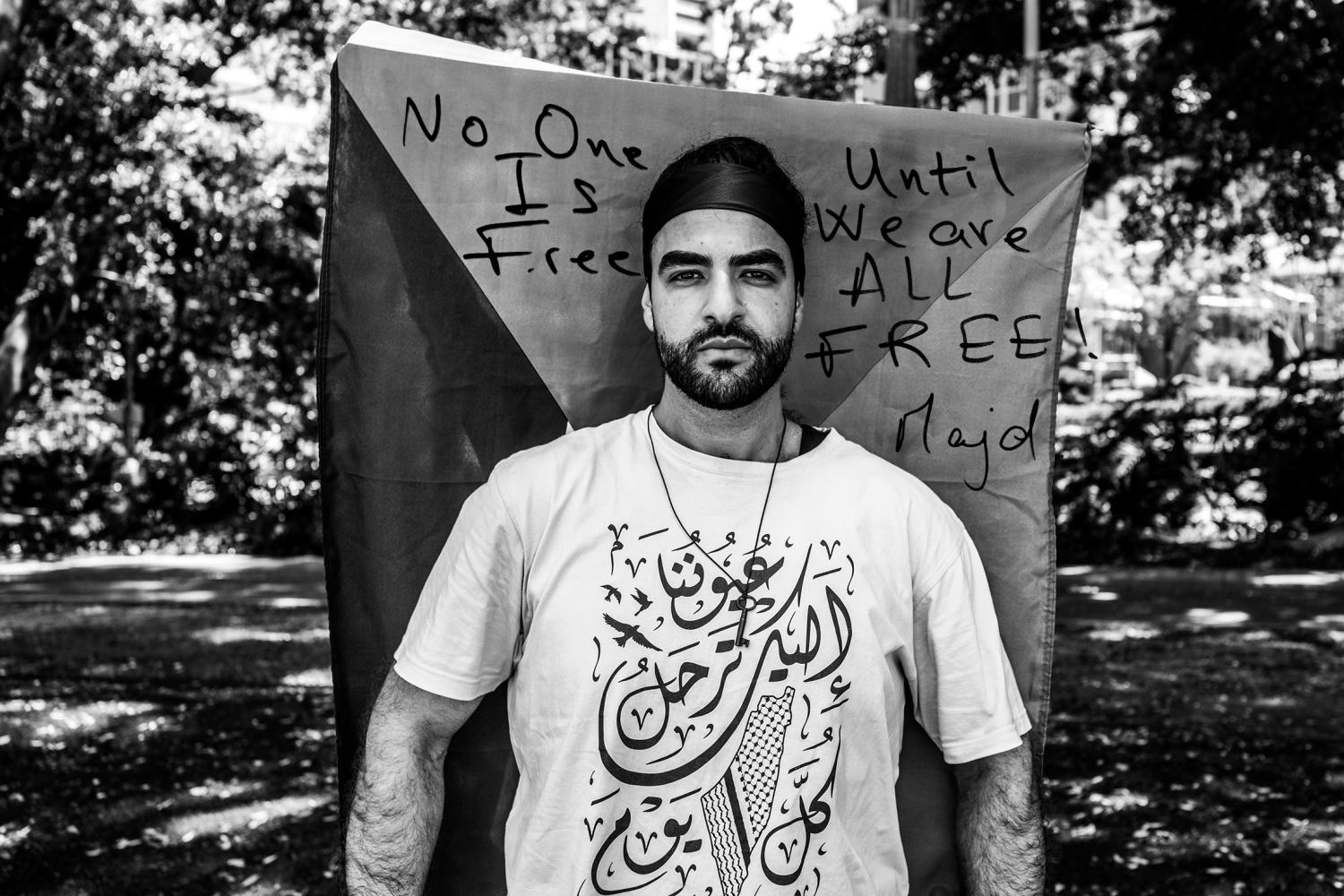
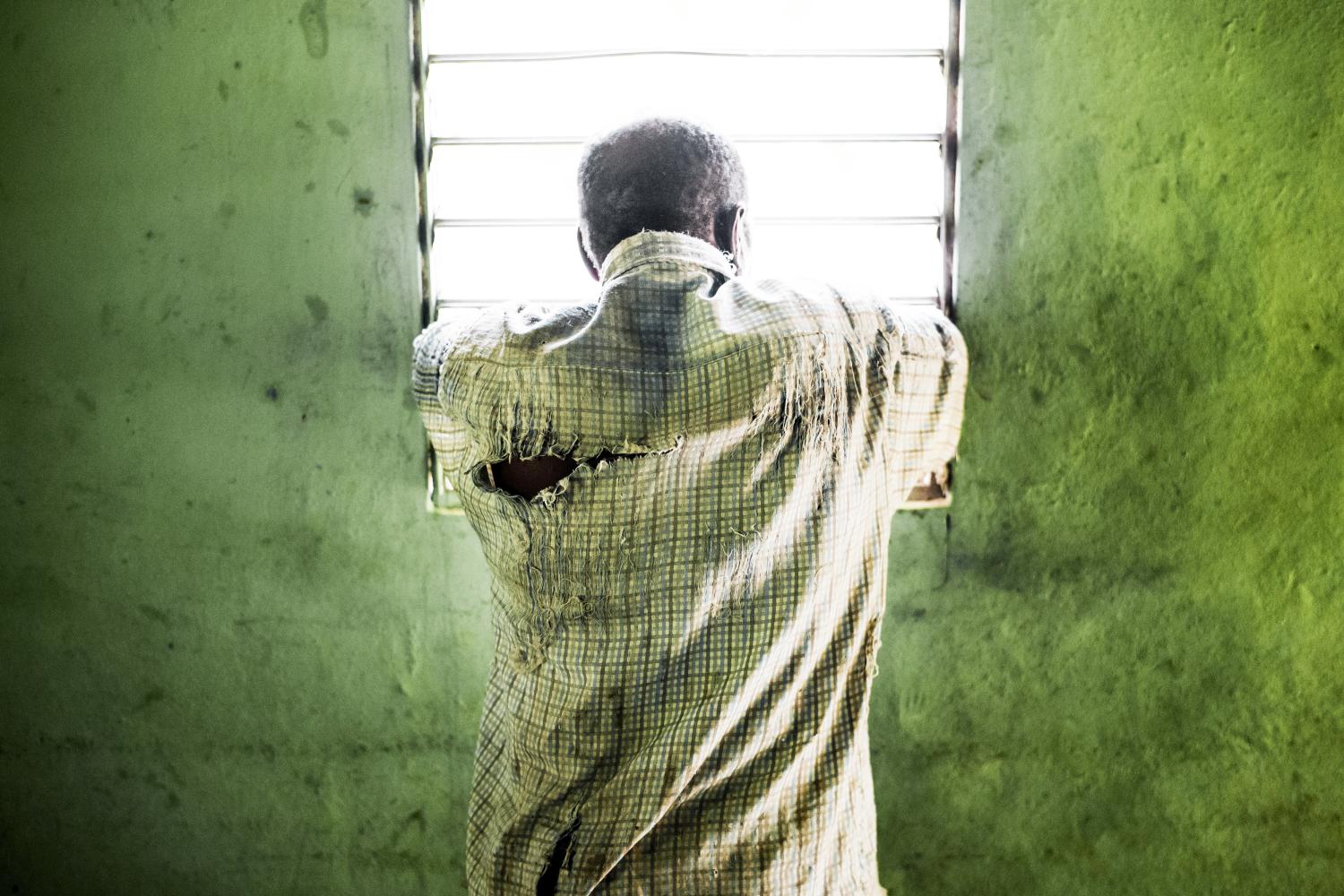
My aim is to give faces and voices to men who, because of the stigma of conviction, have been turned into statistics rather than thinking, feeling, human beings striving to turn their lives around. My goal is to produce a multimedia piece, incorporating still photography, video and sound, offering the first-person accounts and insights of formerly incarcerated men on the process of reentry.
1) The Council for Court Excellence, Reentry Report, 2011
2) Alexander, Michelle (2010). The New Jim Crow: Mass Incarceration in the Age of Colorblindness. New York: The New Press.
3) Marc Mauer, Assistant Director of the non-profit group Sentencing Project.
4) Excerpted from an interview with a formerly incarcerated man.
5) The Council for Court Excellence, Reentry Report, 2011
6) Excerpted from an interview with a mother of an incarcerated son.