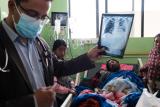
A commercial roofing foreman steps out into the cold New England morning.
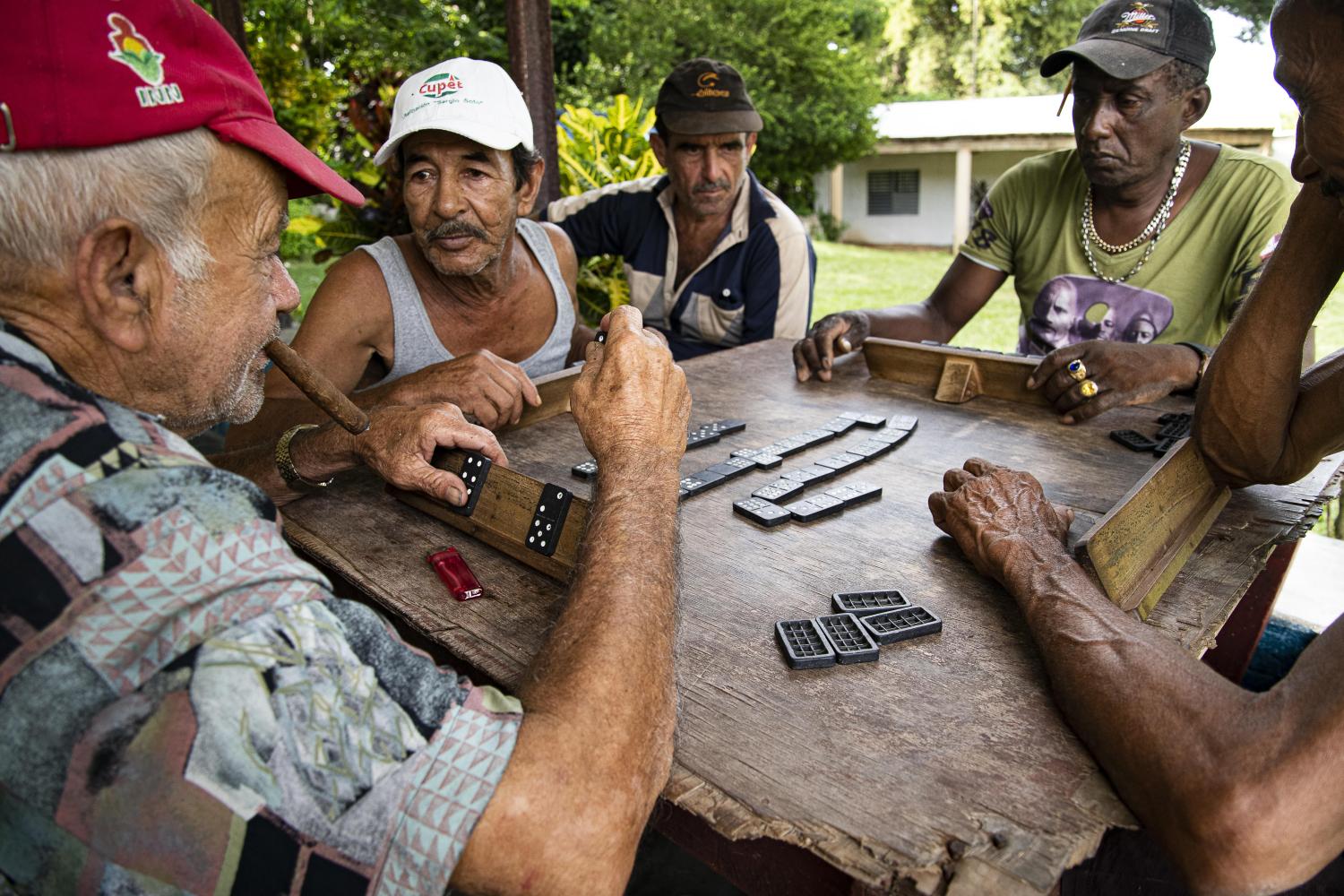
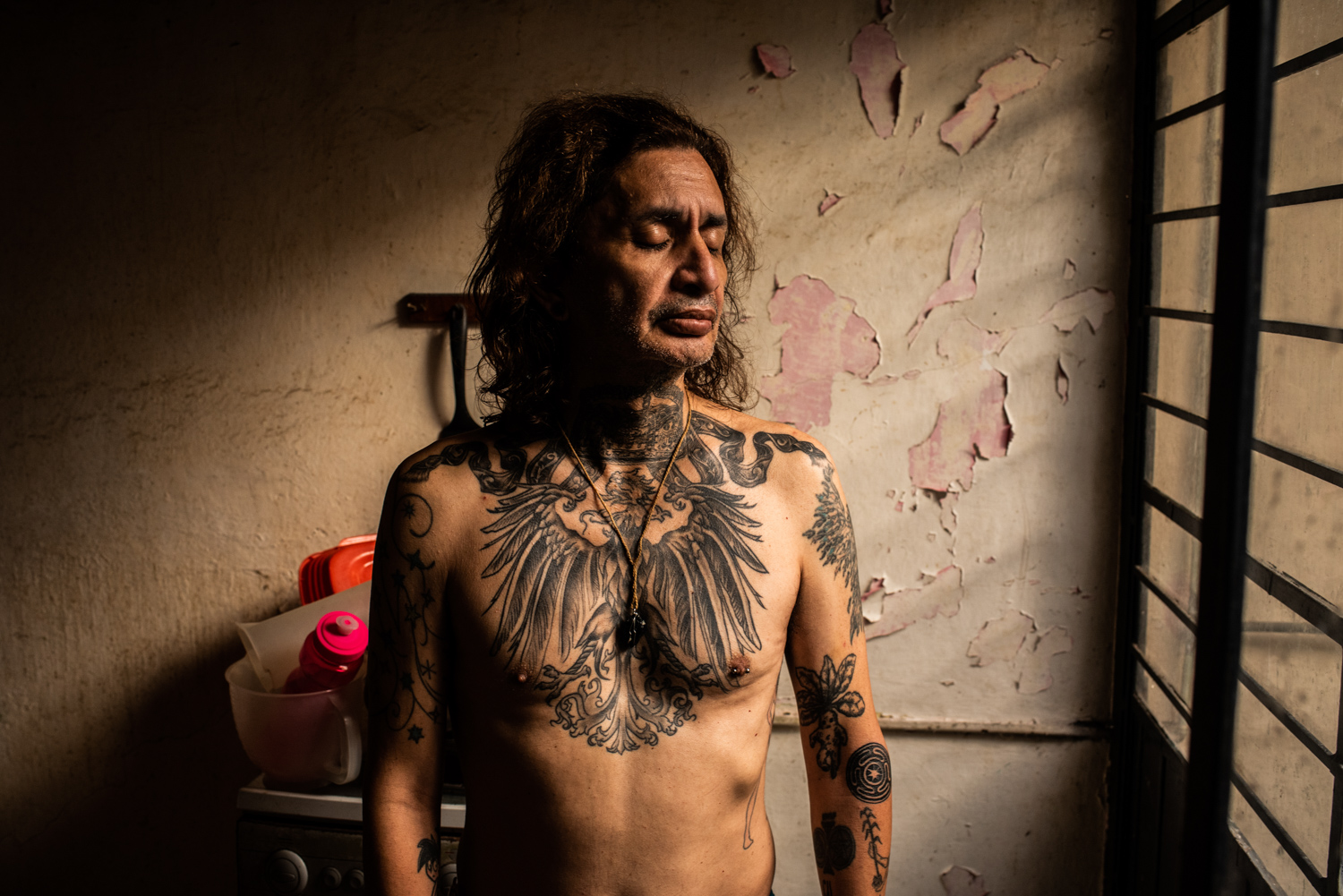
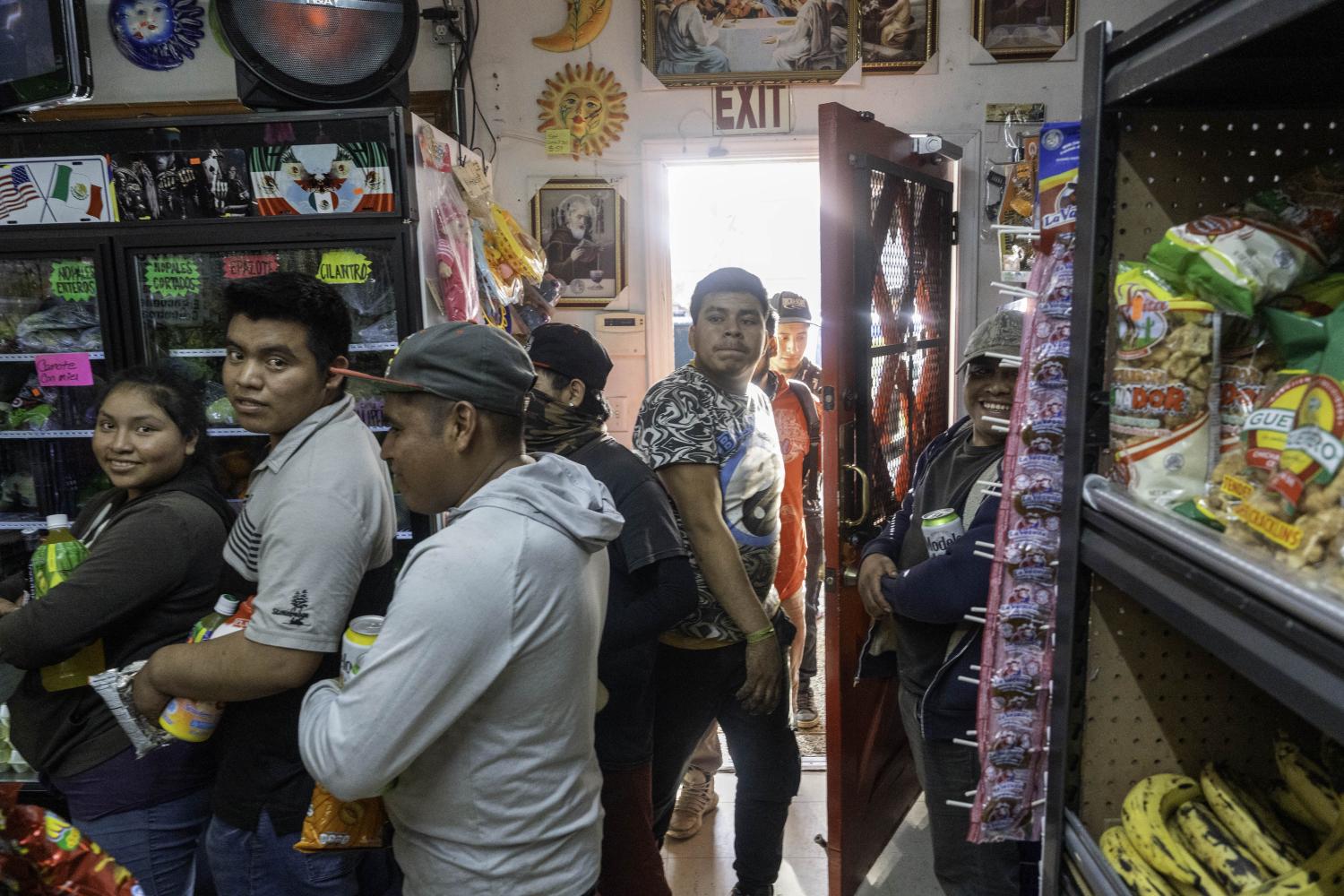
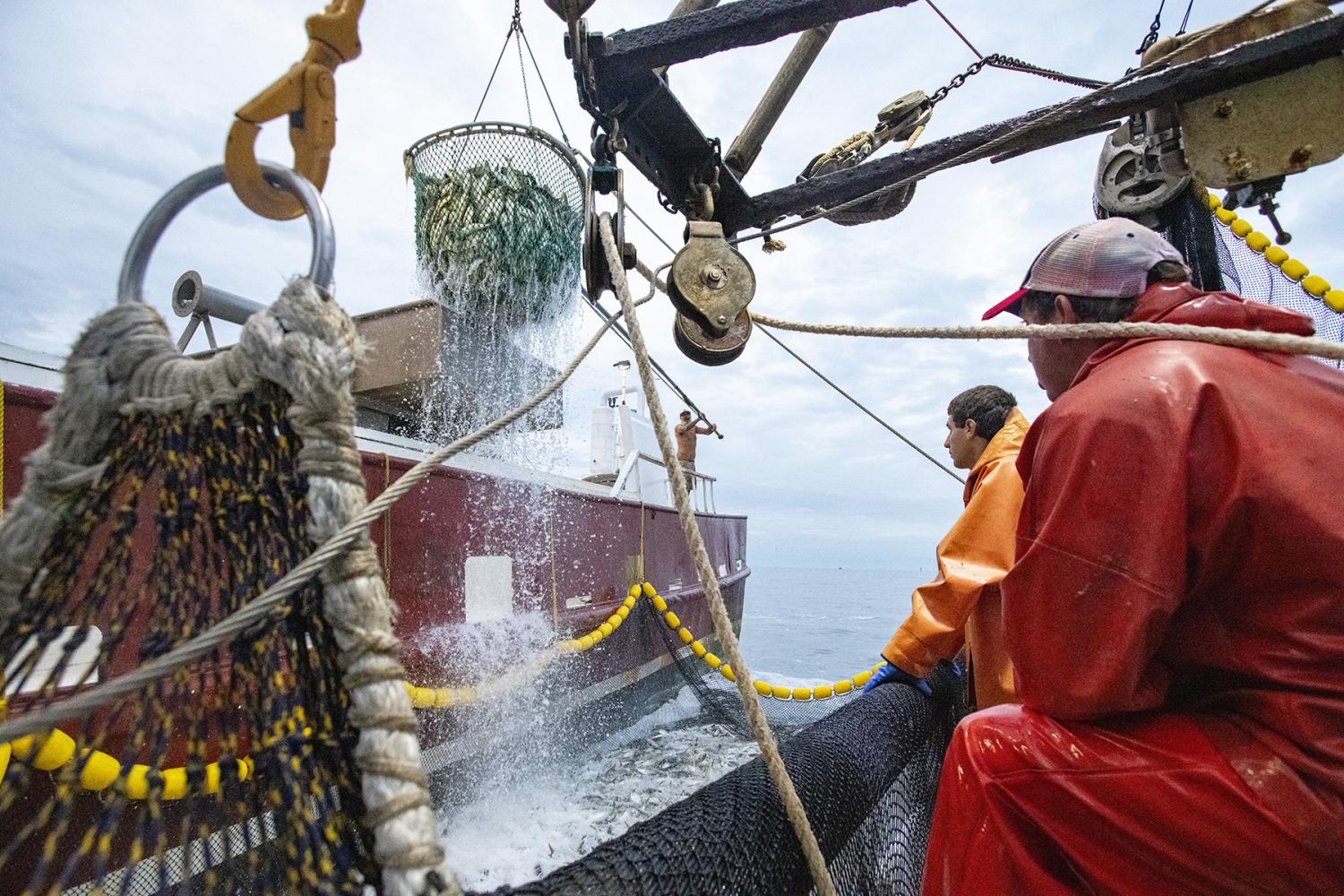
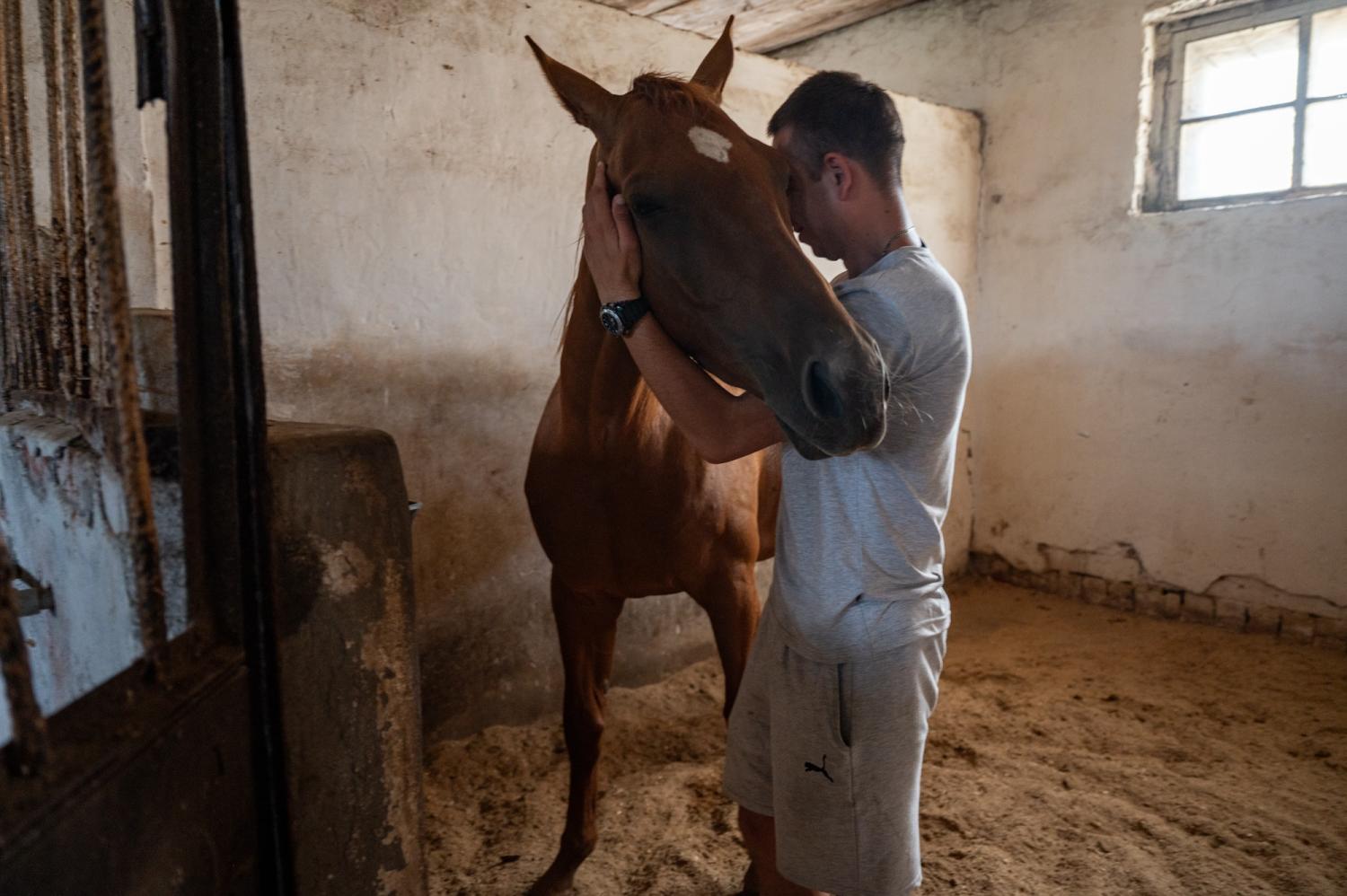
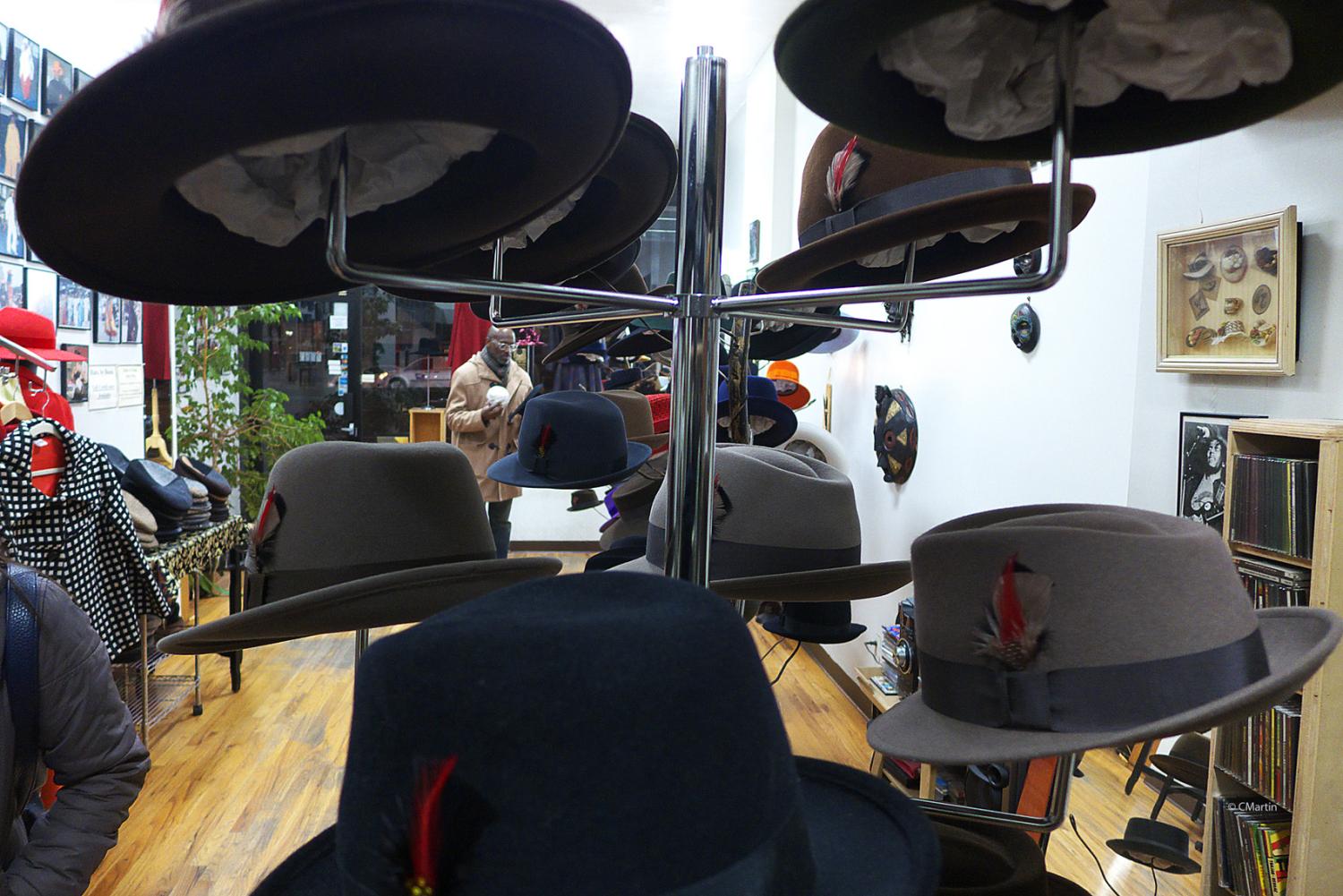
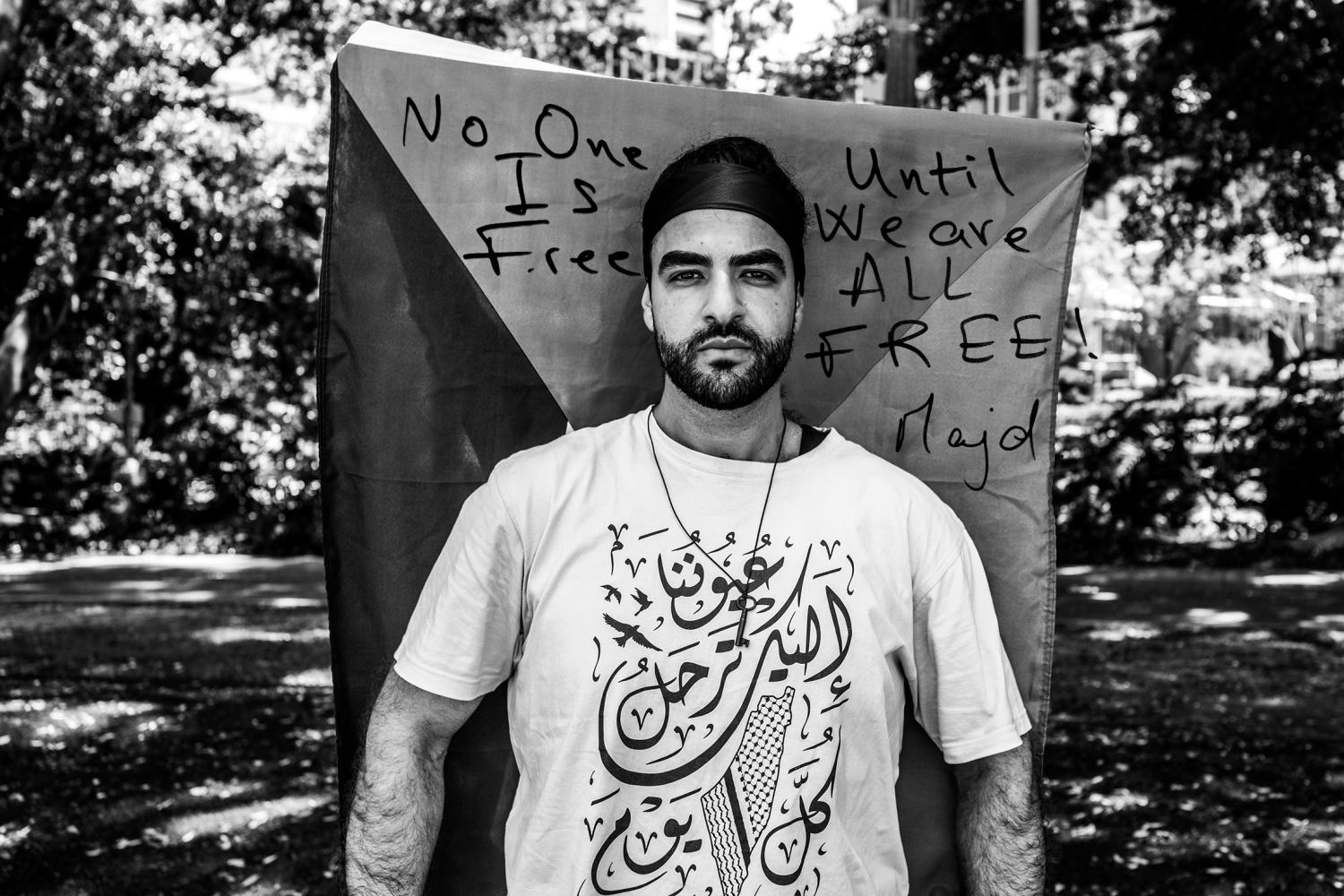
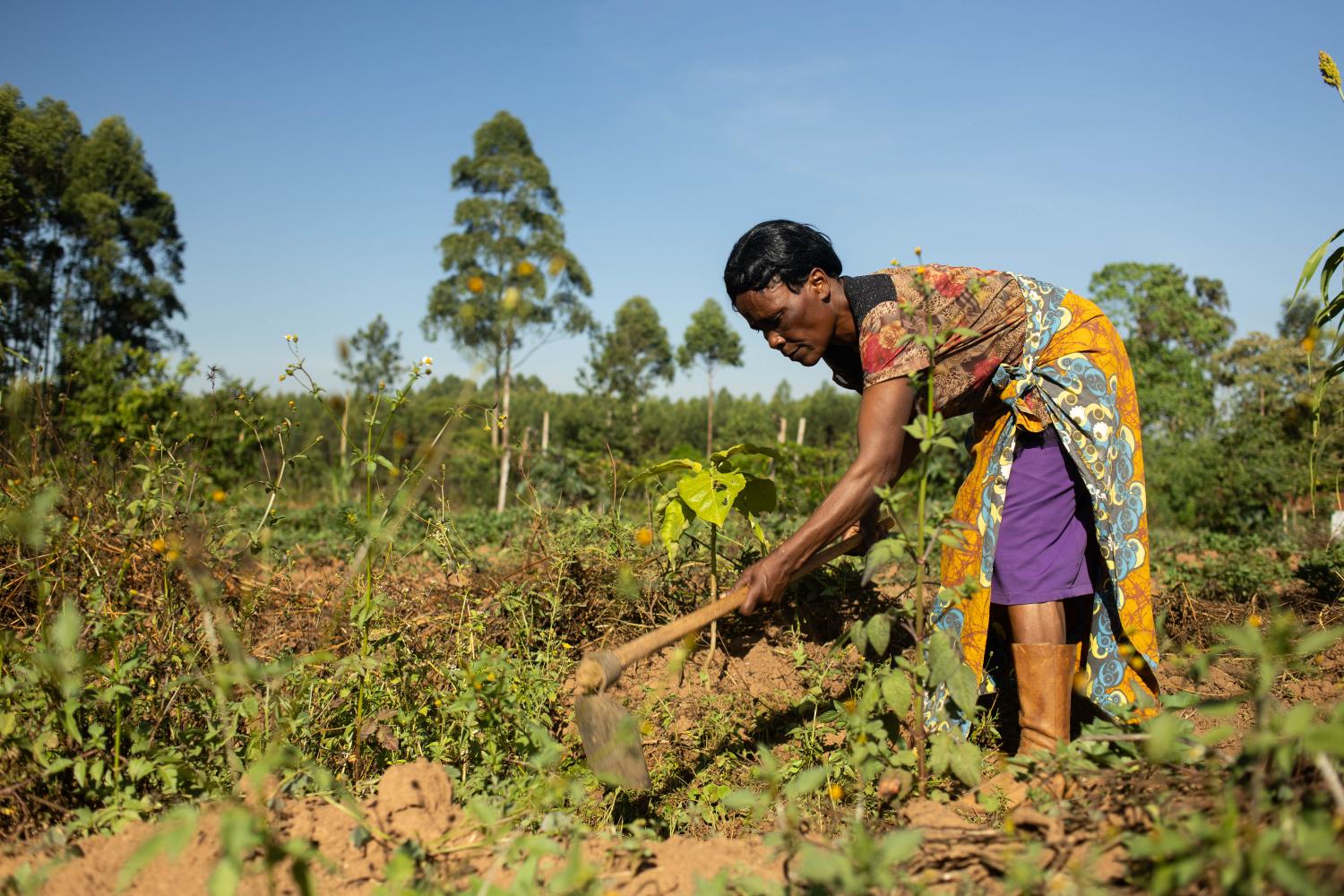
New England Blue is a documentary series celebrating and representing the individual New England blue collar worker. Having been raised by working class parents, my ties are tight with the subject matter. The project serves to recognize those that build, cultivate and maintain our cultural elements while confronting existing social misconceptions related to the group. It reveals the character of working individuals throughout the region while also highlighting their connection to their environment. I have shown both their work and the moments in between it, uniting individual contribution with individuality.


I am concerned that American workers have become lost as individuals in the eyes of the culture, broken and faded, forgotten along with the machines and the respect they once commanded. The worker, on whose back this nation was developed, has evolved in perceived value from a source of national pride to a bottom line burden. As victims of the technological revolution and outsourcing, those in blue collar industries struggle to hold on to their place as societal trends continue to shift toward consumption rather than production. I worry that in my mission to build appreciation for the workers I am witnessing their decline and the end of an American icon.


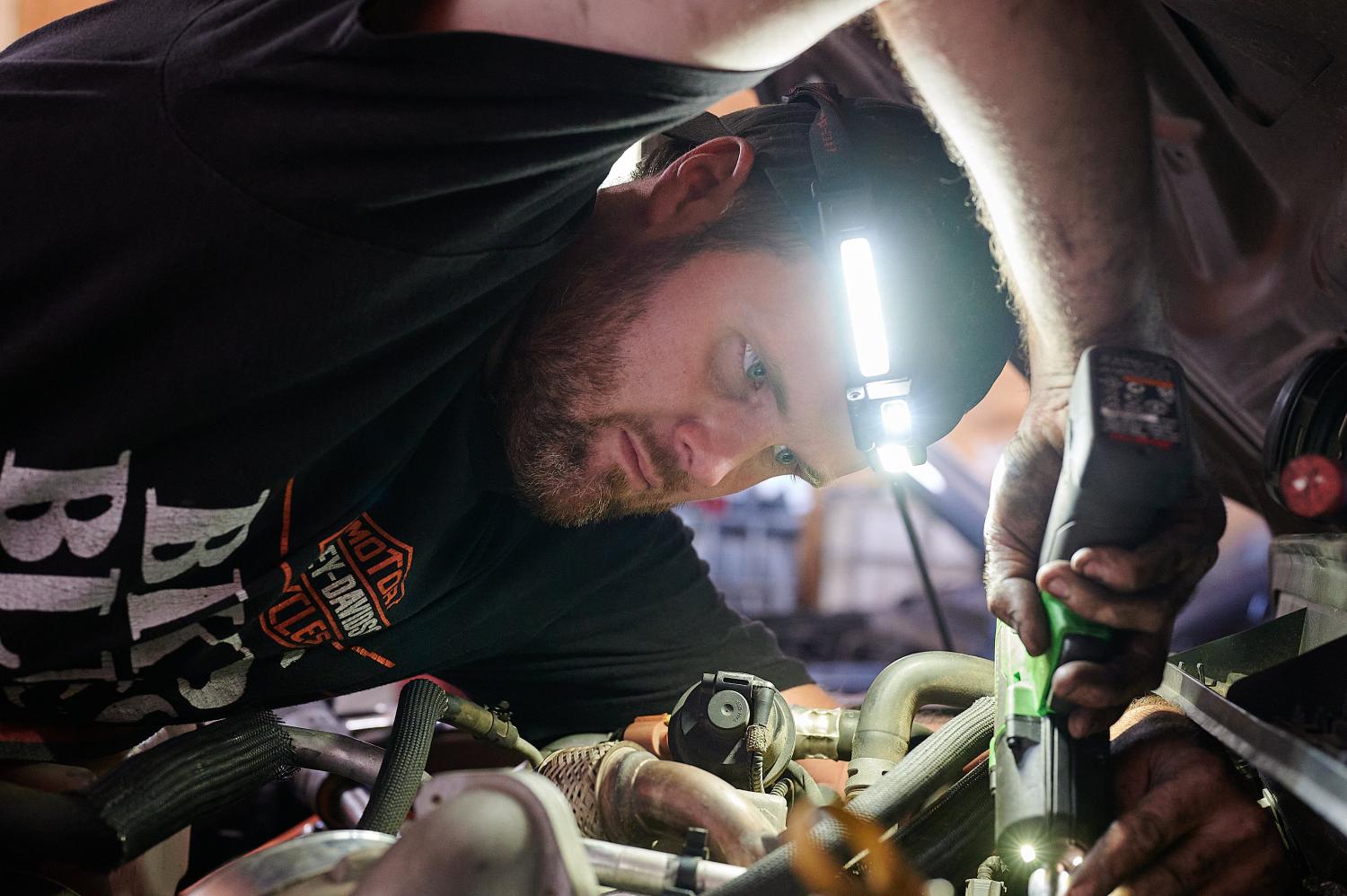
These realizations, however, only confirm the importance of New England Blue, a series of documentary photographs made in recognition and appreciation of the workers in the region. During the past year I have photographed dozens of workers, covering all six New England states, travelling more than 4,000 miles. And although my aesthetic involvement has a strong presence in the images, the primary function of the series is to acknowledge and record the individual workers. The tools and setting of the workplace, while visually interesting, serve as more of an aesthetic complement to the processes and those performing them.
Since the focus consists of both the worker and the work itself, there is a behavioral dichotomy that arises in the series: work and rest or non-work. Within the set is a spectrum of behavior ranging from complete focus on process and very little identity, to no process and heavy identity. The images are meant to have a quiet, intimate feel, despite the typical work environment being one of great noise and busyness. The black and white treatment and red filter simulation was applied to give skin tones a similar appearance to the limestone and marble used in ancient Greek sculptures. This technical consideration is an historical reference to Lewis Hine's likening of the Empire State Building's workers to Greek gods. This effect is complemented not only by the workers' statuesque poses, but by a dramatic use of natural lighting.
I was born with a blue collar around my neck. Both of my parents worked in the steel industry, and much of my extended family ate dinner with worn hands. Working on this project was a nostalgic experience. I would have liked to have entered a trade, and I probably would have had my father not been so determined that I go to college. Though I must say that it's probably better off that I pursued an academic route as I lack the strength, skill and toughness required in any of the roles I photographed. These qualities are evident in many of the series' images, particularly in those photographs depicting moments of work. Whether through a bead of sweat, a muscular arm, or a grimace, the nature of the work and of those performing it is was I intended to show.
It would seem that oftentimes the reality of others' lives is overlooked, the result of which is usually misunderstanding or ignorance. Rexford Tugwell, who was the undersecretary of the United State Department of Agriculture during the Great Depression, said that a function of the FSA photographs, and their director, Roy Stryker, was to "show the city people what it's like to live on the farm." My intent with this project is similar in nature in that a desired outcome is to remind those less involved with physical labor of the demands put upon those in blue collar jobs. The outcome is what is seen, the finished product. As our society and its contents become more intangible, we forget what it means to create, to maintain and to produce.
Further, little consideration is given to the process, the bodily erosion and sheer physical danger involved in this type of work. There have been several times in the past year that I have put myself in danger simply by being present in the daily environments of these workers. I have been hit by a rolling tree, stood on a roof 3½ stories high with no safety plank, and, if not for safety devices, would have been crushed by a Chevy Malibu. While photographing roofers in Marshfield, MA, I commented to one of the men that it was hard for me to believe anyone could consistently hang from the edges of roofs.
"It's because we do it every day," he replied. The courage that I witnessed was beyond what I had anticipated, and so I have built an even greater appreciation for these men and women. Many of the workers I spent time with used humor to deal with fear, cracking jokes about falling three stories or being melting by molten nickel. But fear is heavy, and despite their efforts it could still be seen in their faces and felt in the way they moved. Hine's consideration was the safety of the workplace, and it was more his place than it is my own, but it is in some ways a desired outcome of this series. And though standards for safety have improved, the work is still dangerous and those who perform it deserve recognition for their courage.

To license this work for editorial, creative, or other uses, click on the OZMO logo above.
This will take you to the Ozmo website where you can review the cost and license for the photographs in this exhibit.
You will need to create an account with both Amazon payments and with the Ozmo website as described on the Ozmo website.


Julio Del Sesto
jdelsesto@keene.edu