The Nakanyike Family Home, A Brick House, Rakai Village, Malaria epicenter, Uganda
Net Gains: Love in the Time of Malaria, HIV/AIDS & War
Uganda is a land of contradiction. Overwhelming sorrow and immense joy exist side by side. Even as both a malaria and HIV / AIDS pandemic rages—ravaging communities already haunted by the specter of dictatorship, genocide, and war—Ugandans embody an irrepressible spirit of optimism, courage, and love.
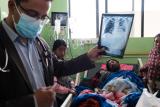
Malaria is the leading cause of death in Uganda, claiming more than 100,000 lives per year. The mosquito-transmitted disease will strike approximately a half-billion people worldwide in 2009, at least a million of whom will die—most of them pregnant women and children under the age of five, most of them living in Africa.
With proper measures, however, malaria is entirely preventable. Many rural Ugandans are rarely afforded access to education and simply do not understand how malaria is contracted, prevented, and treated. This grassroots organization has pioneered an ingenious, interpersonal solutions that educates not only Ugandans, but also travelers and river runners along the Nile. With the help of translators going from village to village, Soft Power provides training sessions, rural healthcare, and affordable access to mosquito nets.
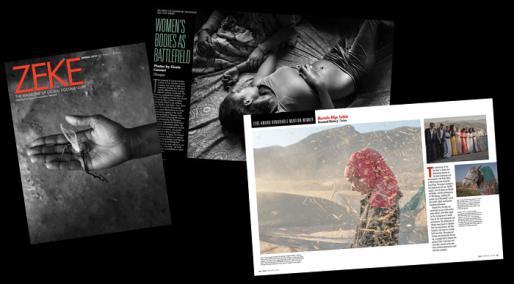
Dr. Stone believes that high-quality photographs from the frontlines can be one of the most effective means of raising awareness about the malaria crisis. Consequently, these images have been featured in slideshow presentations and publication materials around the world, to educate potential victims and aid in the fundraising efforts of small, effective non-profits like Soft Power Health.

Leslie's images have earned her numerous awards including 5 International Photography LUCIE Awards for her documentary and Deeper Perspectives Work.
Her work has appeared in the Corcoran Gallery of Art as well as numerous books and publications including PDN, Nikon World, Focus Santa Fe Arts Magazine, and Outside Magazine.

Leslie has a rich and diverse portfolio in both color & black & white — ranging from international documentary work with non profits & NGO's to photographic illustrations, portraits, adventure sports, and contemporary dream-like imagery.

Leslie is available for assignments locally, nationally and internationally. Please contact her directly for rates and availability. leslie@lesliealsheimer.com

Leslie’s fine-art and documentary vision demonstrates a unique style rooted in a passion for creating images that parallel and interconnect her work as a social worker and her vision of the human spirit.
Through a forward and positive focus, Leslie’s professional and personal work celebrates the beauty and splendor that can be found in the human spirit—regardles of circumstance.
Her images create metaphors that honor the richness of life that accompany the enduring human spirit; celebrating life, play, family, culture and community through the joy, pain and love of everyday living.
Leslie is available for assignments locally, nationally and internationally. Please contact her directly for rates and availability. leslie@slesliealsheimer.com

To license this work for editorial, creative, or other uses, click on the OZMO logo above.
This will take you to the Ozmo website where you can review the cost and license for the photographs in this exhibit.
You will need to create an account with both Amazon payments and with the Ozmo website as described on the Ozmo website.

Peace, Post-war Development, HIV/AIDS, The human condition, Global Health, Poverty, Play, family, women, malaria, Uganda, Africa, love, joy, orphans, civil rights, war


Leslie Alsheimer
website: LeslieAlsheimer.com
email: leslie@lesliealsheimer.com
phone: 505-670-9898
mailing: 551 W. Cordova Rd. Suite 155 Santa Fe, New Mexico 87505
Leslie is available for assignments locally, nationally and internationally. Please contact her directly for rates and availability.
Love in the Time of Malaria
These photographs form part of a larger body of work entitled Forward Focus, whose mission is to spotlight dignity and interpersonal connections that transcend race, class, politics, and socioeconomics. To that end, these images portray both the richness of everyday life and the enduring human spirit—regardless of circumstance—by celebrating family, culture, community, and play through the joy, pain, and love of everyday living.
Mother of Pearl
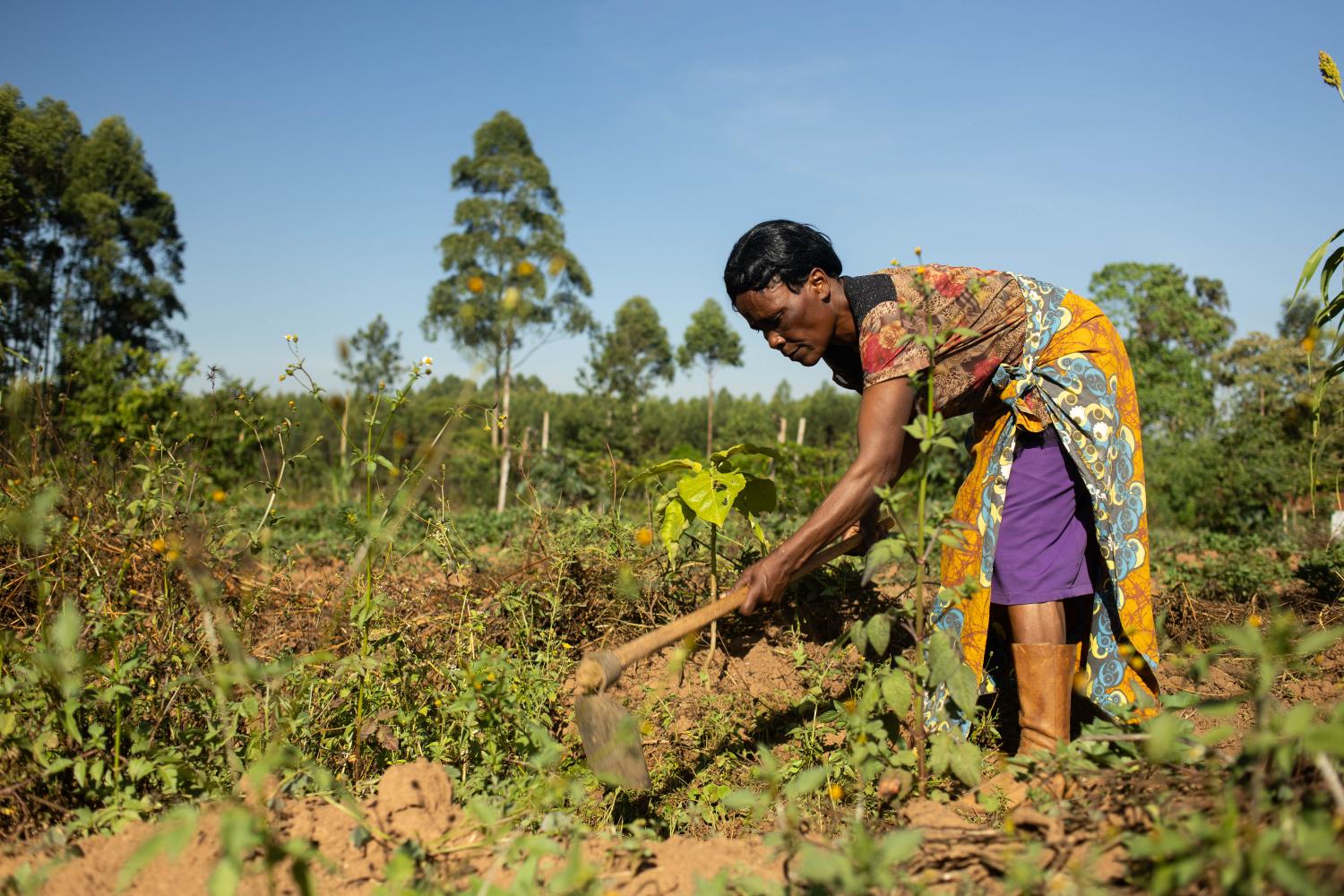
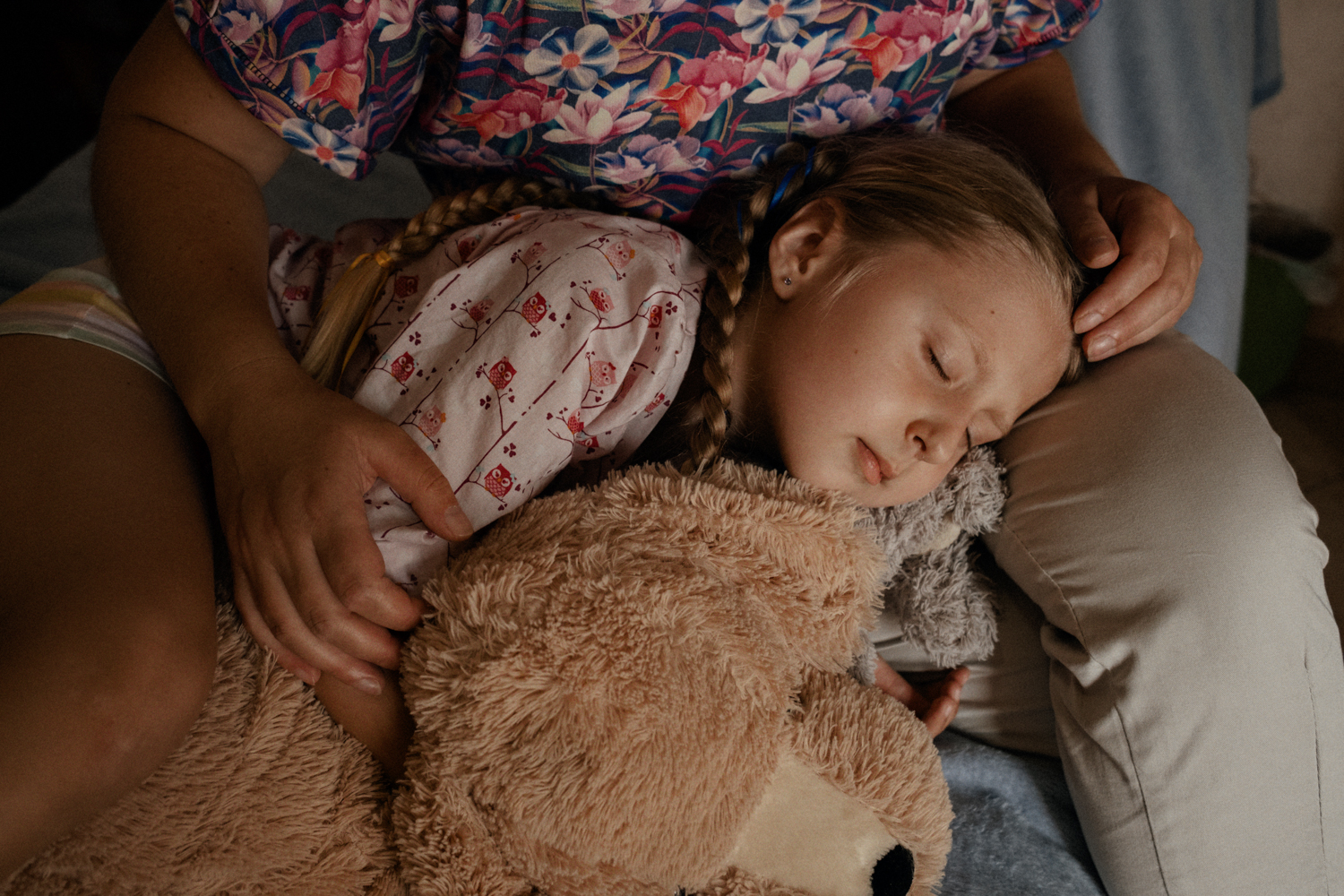
In the northern village of Rakai, I met and stayed with Agenina Nakanyike, a 36-year-old widow, and her four children Joshua, Molly, Penina, and Fiyona. Agenina’s husband had recently died of malaria, his immune system compromised by HIV. At first, my Western eyes filled with tears when I saw the family’s tattered clothes, meager food, and lack of access to schools. Here I was in the beautiful nation known as the “Pearl of Africa,” and yet, the cost of my camera and gear could probably have supported the entire impoverished village for a year.
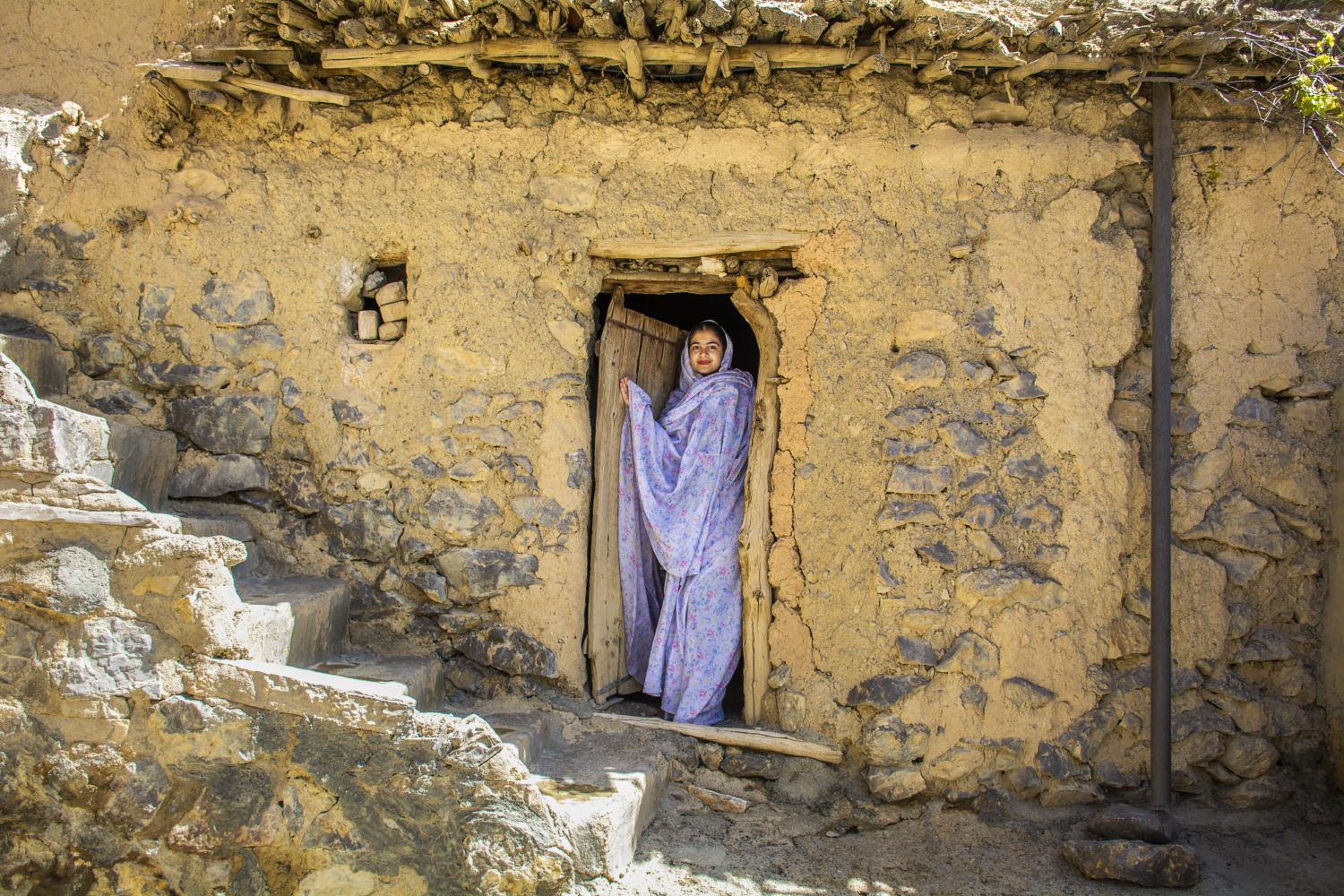
After much soul-searching, I decided I couldn’t judge the quality of their lives by the standards I’d learned in my own. I shifted my perspective. I abandoned my entrenched ideals. I opened myself to the spirit, wisdom, and love Agenina and her children offered me. Although it took me a few days to recognize, the family was relatively affluent in the village. They lived in a brick house, instead of the more common mud abodes, and they owned a farm where they grew beans and bananas that they could sell from a small roadside shack near their home.
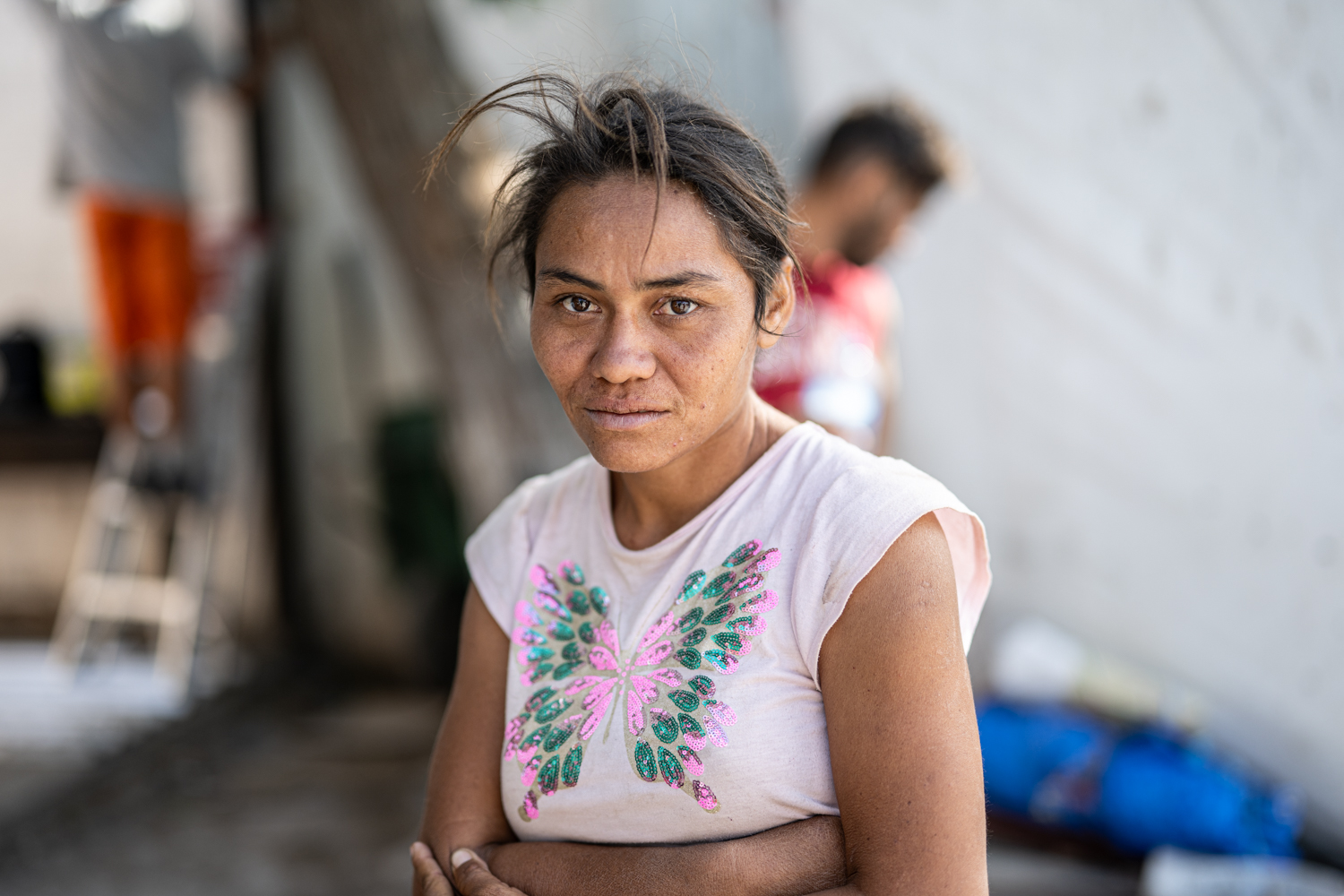
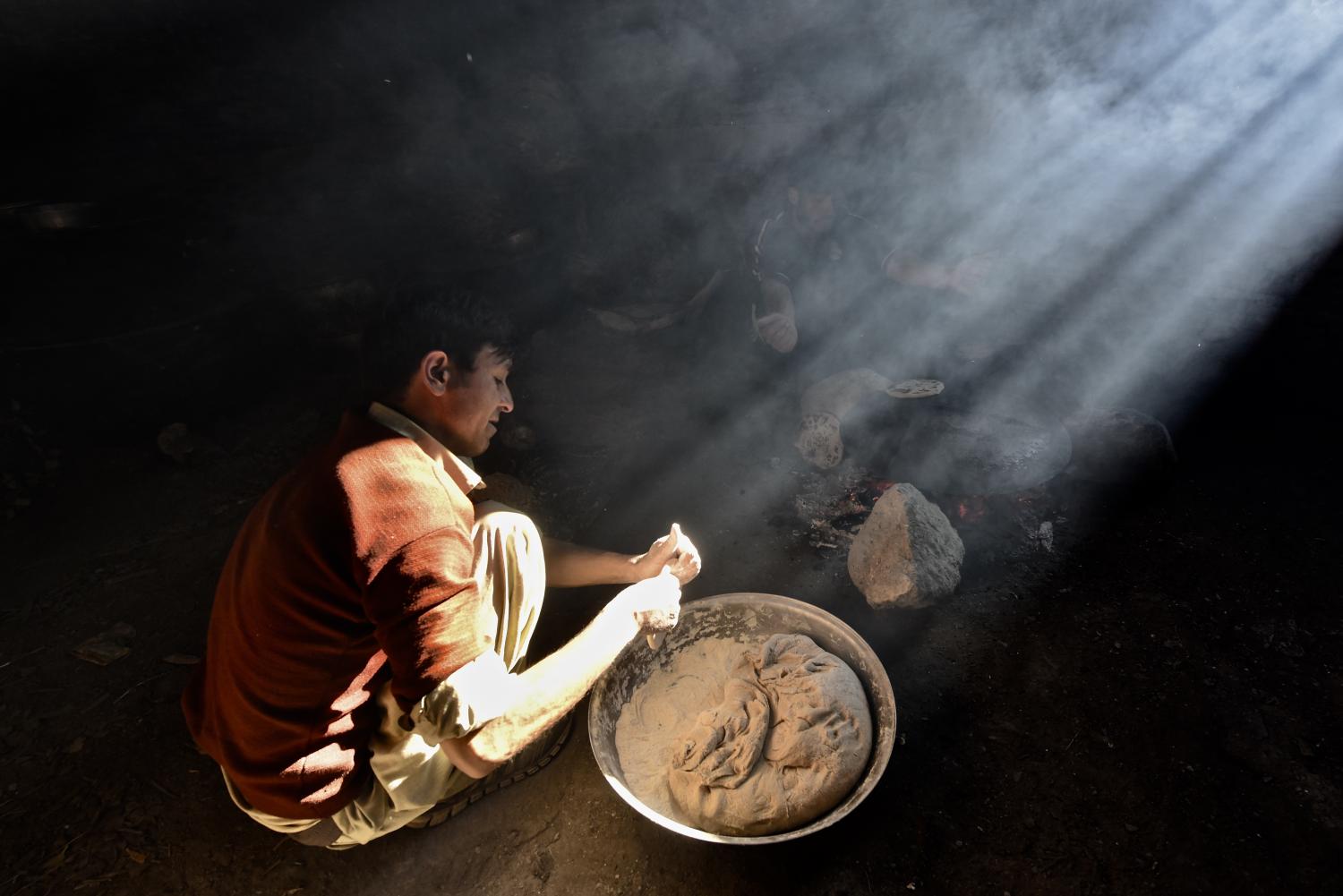
I discovered that Agenina was a proud, regal woman who worked tirelessly from dawn to dusk—sweeping the dirt that defined the “front yard,” hoeing beans in the fields, and preparing matoke, a mashed form of green bananas eaten as a staple in most of the region—while her four effervescent kids loved nothing more than to sing, dance, play, and laugh.
The longer I stayed, the more I felt embraced by the Nakanyike family’s open arms and glowing smiles, the more I understood how their rustic life was as rich as any life I’d ever known. I began to wonder why I’ve accumulated so much stuff, what had made it all seem useful in the first place, and why anything might actually matter in this world besides real human connections. When it came time to leave Agenina and her children, I felt an unbearable hurt in my heart to say welaba—goodbye.