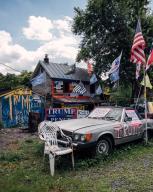
Tel Aviv immigrants district.
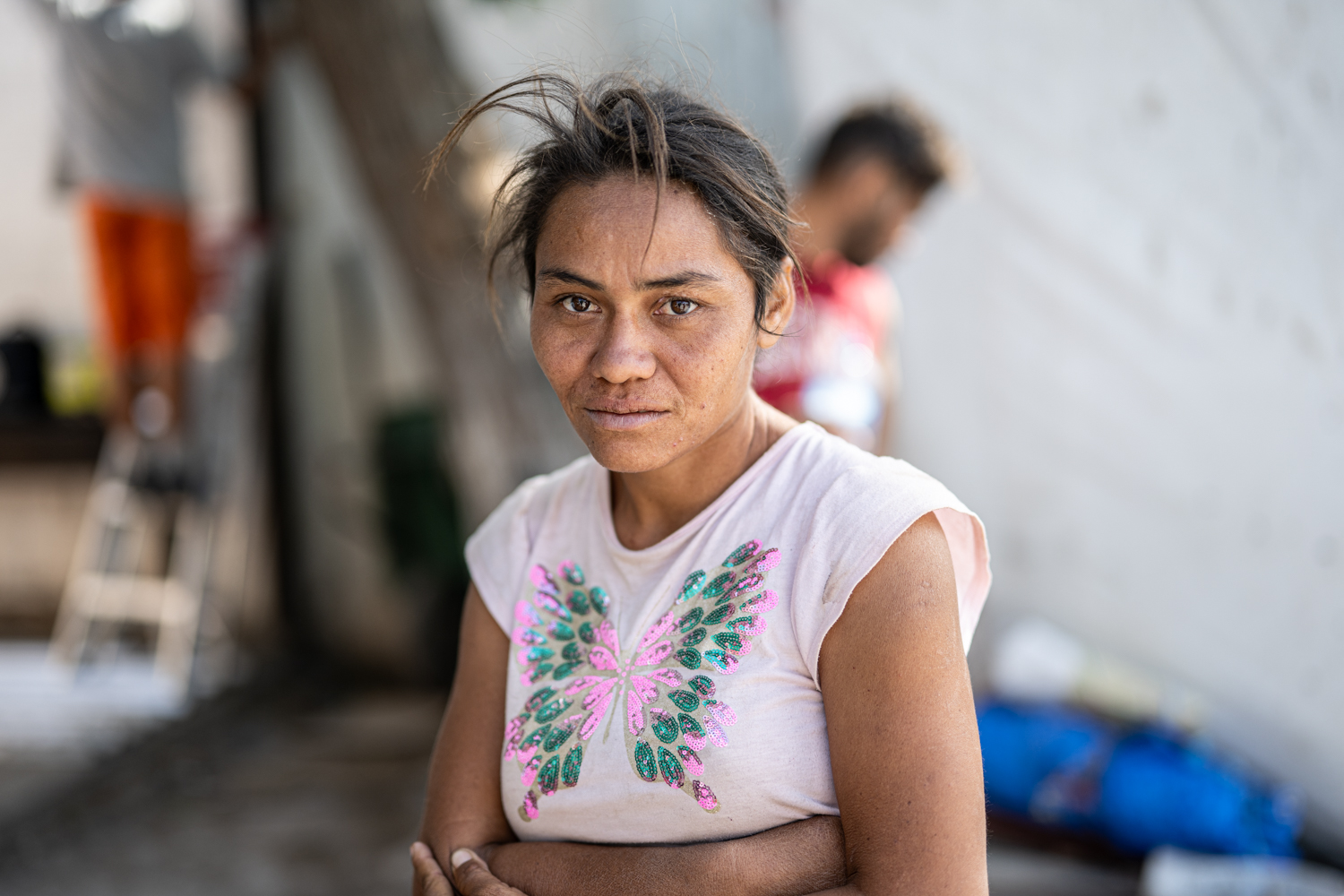
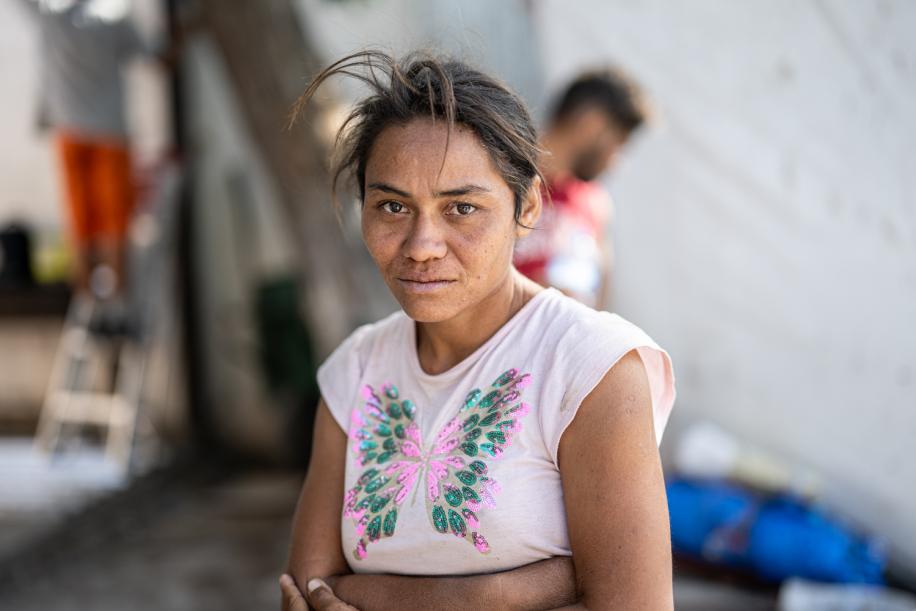
The daily life of immigrants from Africa in Tel Aviv. A large number of Illegal immigrants from Africa entered Israel illegally, mainly through the fenced border between Israel and Egypt. According to the data of the Israeli Interior Ministry, the number of these illegal immigrants amounted to 26,635 people to July 2010.

They do not want to be photographed.
They do not want to tell where they come from.
A problem- they are here and thereillegally. Illegaly in Tel Aviv and illegally in their motherland.
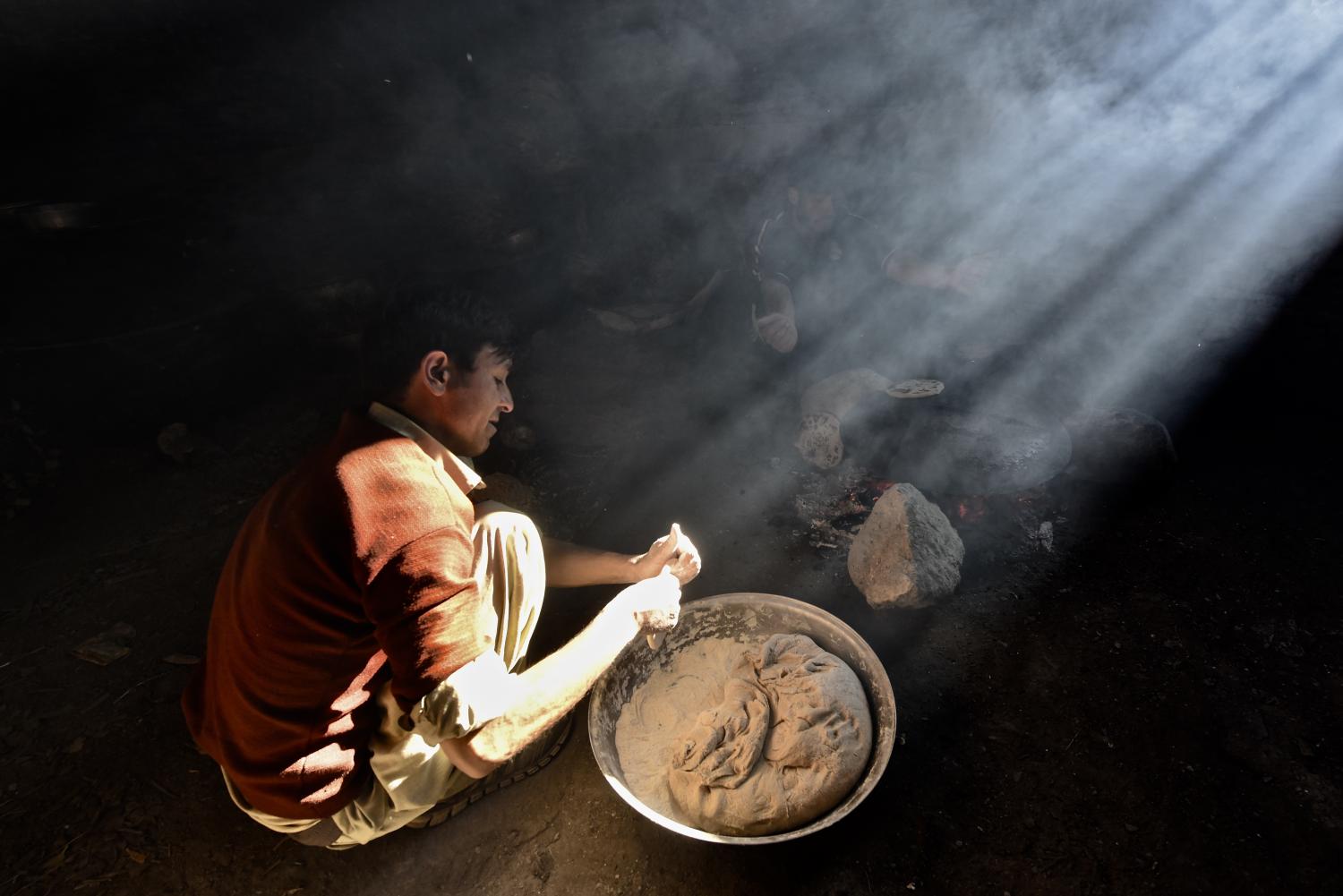
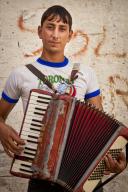
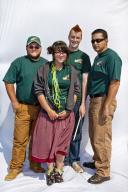
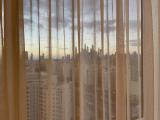
Centre of Tel Aviv, Israel. Tall modern skyscrapers, lovely cafes with Hebrew music, frequented by free spirits,artists, hipochondriacs, hysterics and international boheme. Several hundreds meters away, Ethiopian and Eritrean immigrants occupy slums and streets. During the day they visit their own clubs, always darkened and filled with smoke, lit with the glimming kitschy bulps, like in Africa. To get away from the sun. At nights they go outside to wander about, to sell sex or to run small shops and hairdressers.
They are unwanted in Israel, as they found their way there usually via human traffickers- they do not speak Hebrew. Their Jewishness is not necessarily recognized by the authorities. Muslims and Christians from Africa do not enjoy support that Jews might get. They have to rely on already overstretched charities.
Daniel, my interlocutor, cannot come back to Eritrea. He was in the army for 7 years. He did not want to kill anymore, so decided to leave his motherland. If one does not want to serve in the army, they are sent to prison.
His friend, Tesfay, doe-eyed, beauty and body like that of sculpture, spent 3 years in the army.
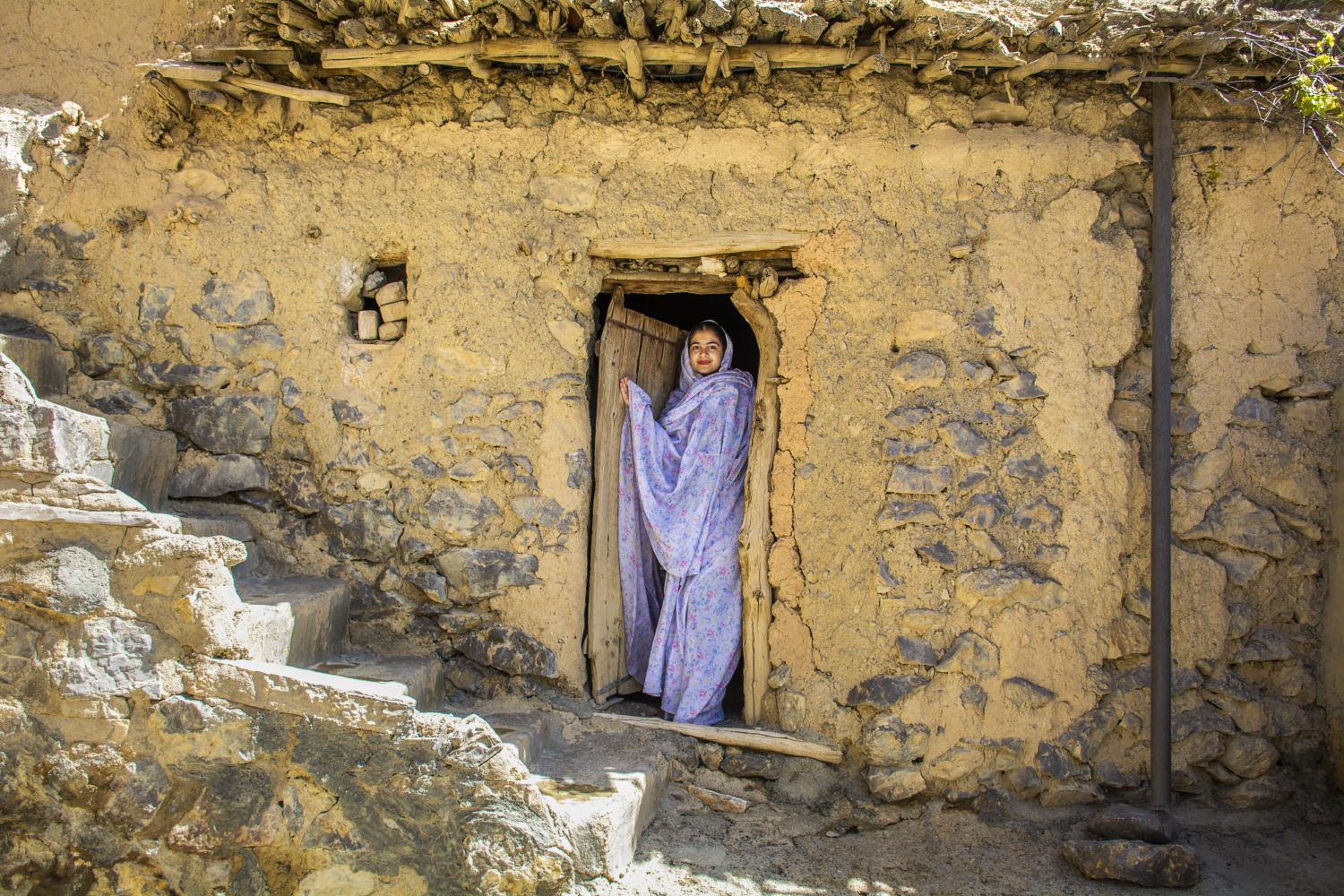
We sit in a tiny, cozy cafe, wrapped in the smoke of nargila. A beautiful Imanesque girl- hostess guards the door, preparing dark coffee at the same time. She is maybe in her twenties. Her face is of a shape of a almond, her skin tone is honeyish, eyebrows remind wings of a flying bird, or, as One Thousand and One Nights authors put it, the letter Alif itself.
Her name is unpronouncable.
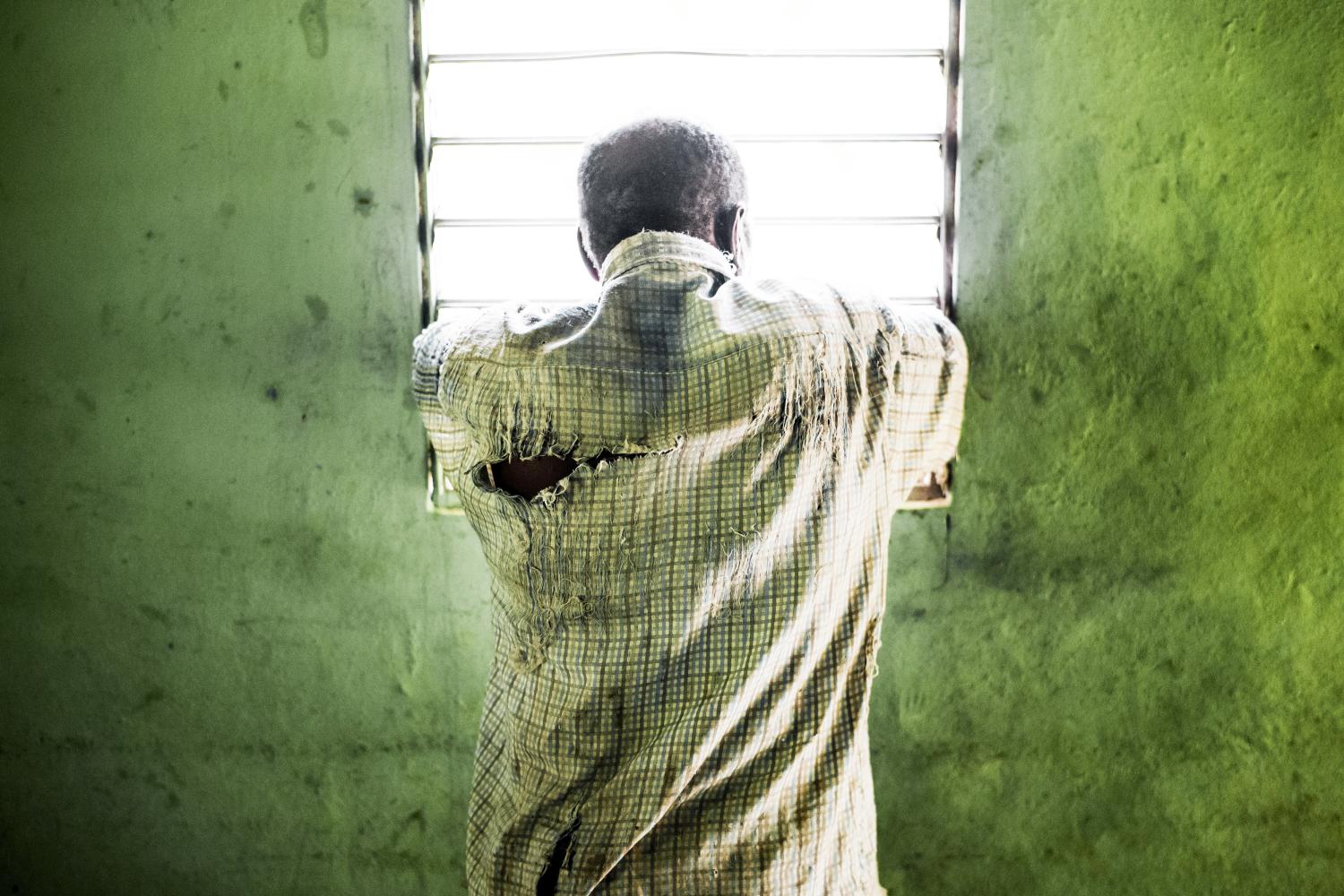
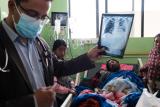
Tesfay does not trust us at the start. His English is very poor, so Daniel, who lives in Leeds (UK) explains that Tesfay is on the run in Israel as well. He cannot find a job, he cannot rent a flat, as he is skint (he lives along with seven other Eritreans), he is not entitled to benefits and he even cannot to become a victim of crime, as he would be sent back home. He cannot do anything. Whatever he does or whatever is done to him, might result in him being deported to Eritrea, and, as a consequence, he can be put in jail.
He will never see his family that he has left behind. He cannot contact them. In Israel, he is reluctant to make friends, as here you never know who may be your enemy. It is a matter of survival.
So- Tesfay just IS, suspended between two worlds that he cannot access. His reality, his existence is confined to few streets in Tel Aviv that he never leaves.
Tesfay drinks and watches everybody, withdrawn. However, after some time he starts to open up- no wonder, we speak with a funny accent, do not know Hebrew (so we are not government spies) and he smiles a little, showing shiny white teeth. Then, he starts to his hands to tell his story.
Imanesque beauty directs the breeze produced with a bamboo fan towards coffee being brewed in a muddy jug. She will give us two miniscule cups of the strongest and sweetest liquid I have ever drunk in a moment.
Daniel has a British passport. He does not answer to my question how that is possible, as his English is not very basic, so we assume he is a political refugee. Daniel considers himself lucky. No, he will never come back to his country, but, contrary to those Trapped Between The Two Words, he can travel freely.
Yes, he had some bad memories. From home. Too bad to talk about.
I tell him about my Ethiopian friend from the UK. She was gang-raped. While defending herself, one of the perpetrators hit her with a machete. Her scar that she sees everyday brings the memories of not only physical pain back.
The Trapped in Tel Aviv, those who left Africa, learn to know their district very well. Also, by chance, they learn other cultures, as this part of Tel Aviv is inhabited by goldenteethed Russians, who do not speak Hebrew and sell second hand goods and Ethiopians, their historical enemies, that they have to tolerate and accept.
Tefsay wants to work. And to move out somewhere else.
On our way back to the centre of Tel Aviv to out elegant and sophisticated neighbourhood, we pass by dark-skinned prostutitutes with blond dyed frizzy hair, damaged with a cheap chemicals. They address my partner, Mariusz, even though they can see we are together.
And then, not that far, the colourful lights of banks and restaurant. It reminded me of Washington, where, in its very center, so thriving and hectic during the day, filled with click-clacks of dear high-heeled shoes and the sight of expensive suits, after six oclock in the evening the homeless gather and wait for ” Martha`s Table”, whose volunteers serve meaty soup and sandwiches.
But the Washington homeless are trapped in the whole large continent. Some of them manage to save some money to spend the winter in warm California- to beg there.
Eritreans in Tel Aviv spend winters and summers in the same place – on several square kilometres in the center of Tel Aviv. Sometimes warm wind feels like a hot breath of Africa, their home.
Text: Aleksandra Lojek


To license this work for editorial, creative, or other uses, click on the OZMO logo above.
This will take you to the Ozmo website where you can review the cost and license for the photographs in this exhibit.
You will need to create an account with both Amazon payments and with the Ozmo website as described on the Ozmo website.

Migration and immigration, Discrimination/Minority rights, The human condition, Prostitution, Human Rights, Eritreans, Ethiopians, Jews,


mariusz.smiejek@yahoo.com
www.mariuszsmiejek.com