
Living in the Bushes: Farmworker Housing in California
Richard Street | California, United States
Organization: Streetshots
Photographer: Richard Street
Organization: Streetshots
Exhibit Title: Living in the Bushes: Farmworker Housing in California
Location: California, United States
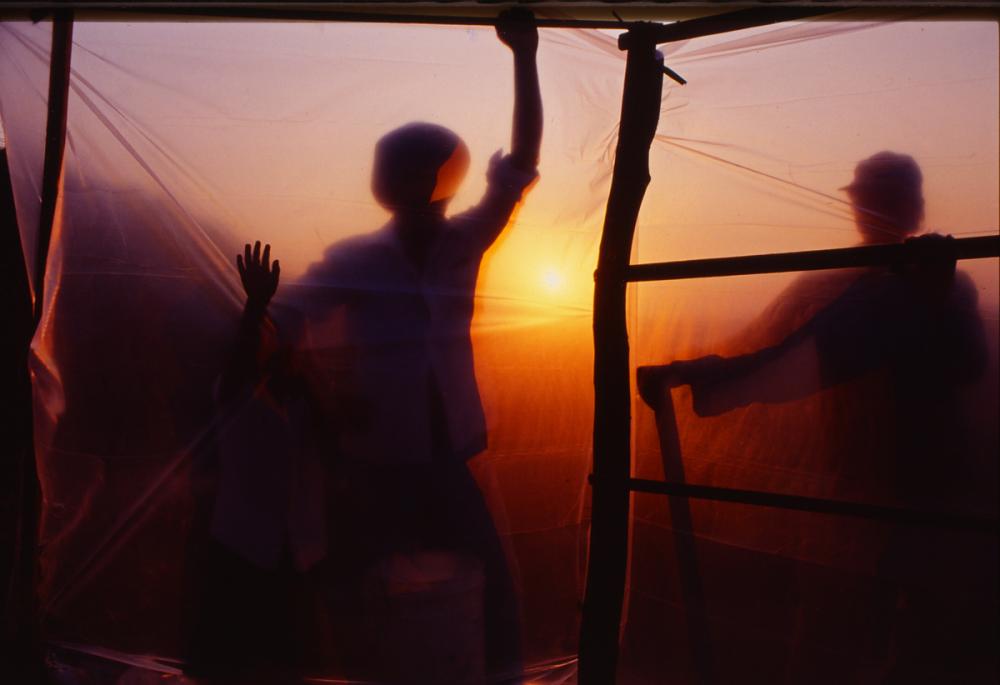
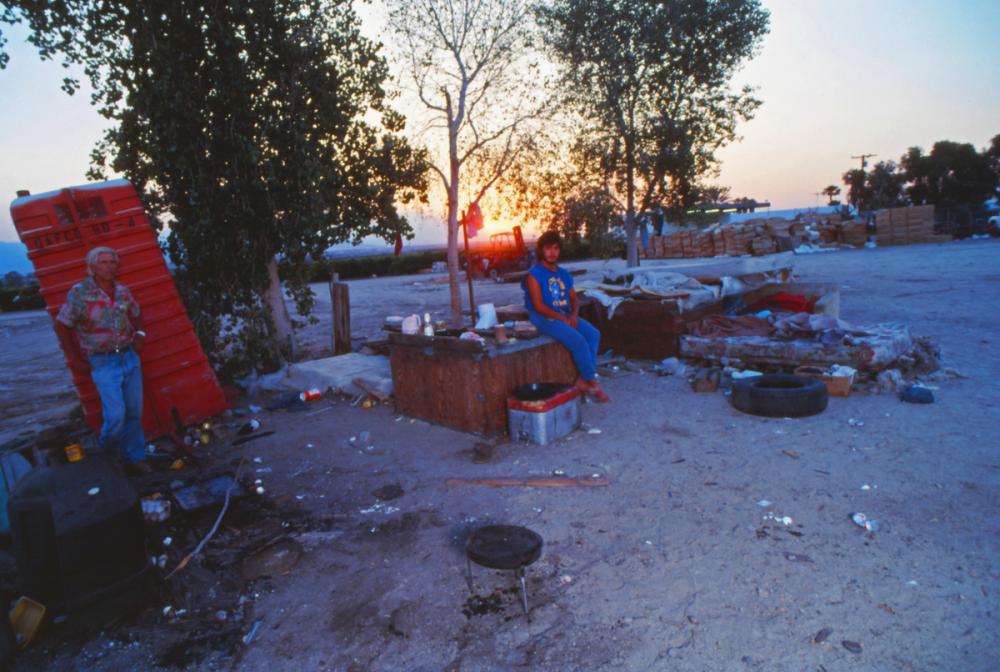
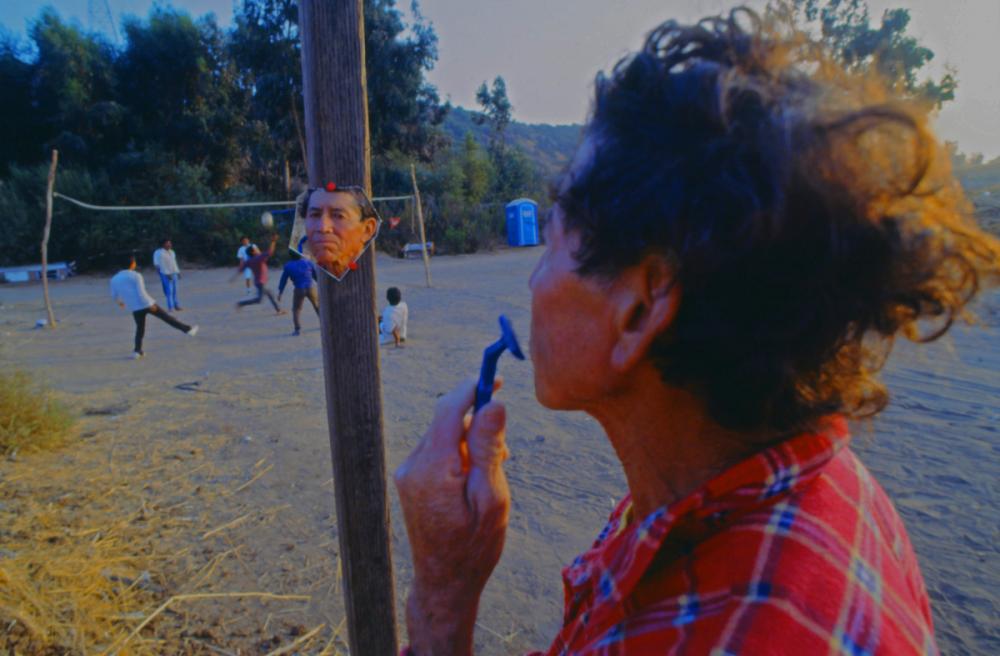
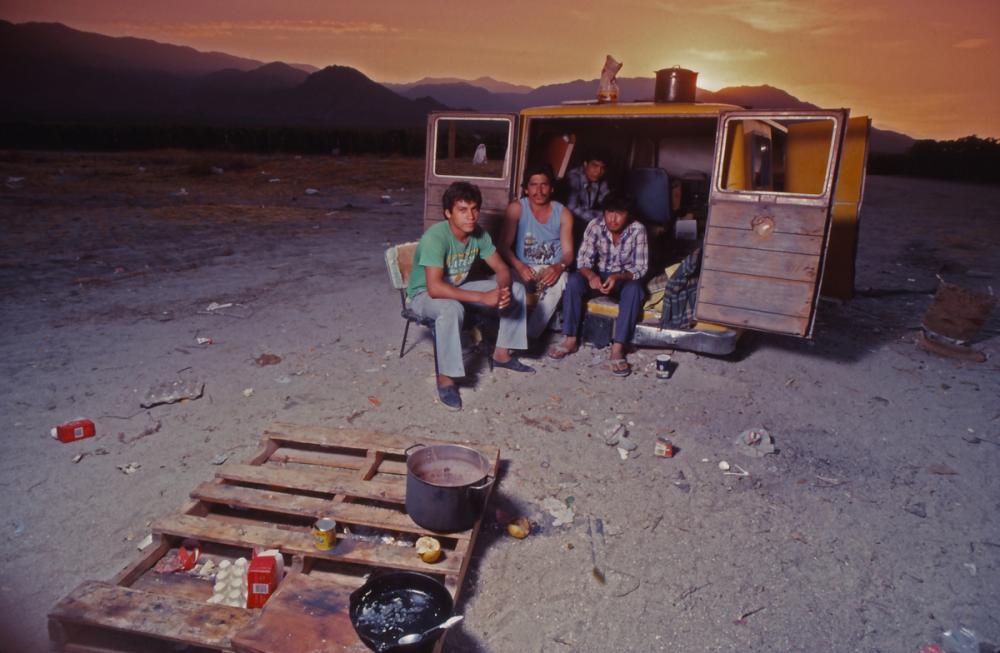
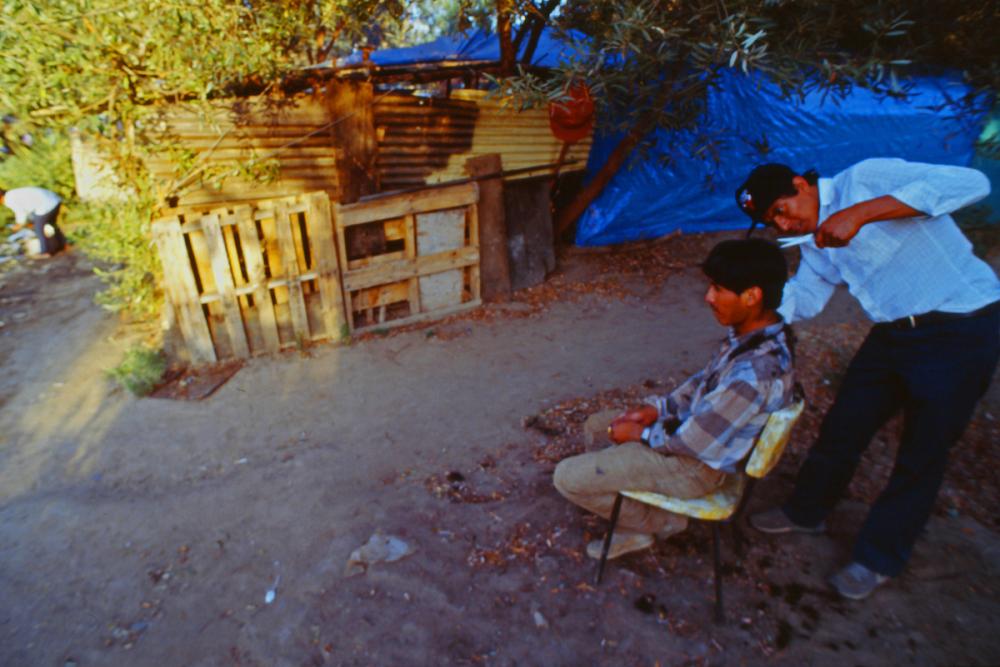
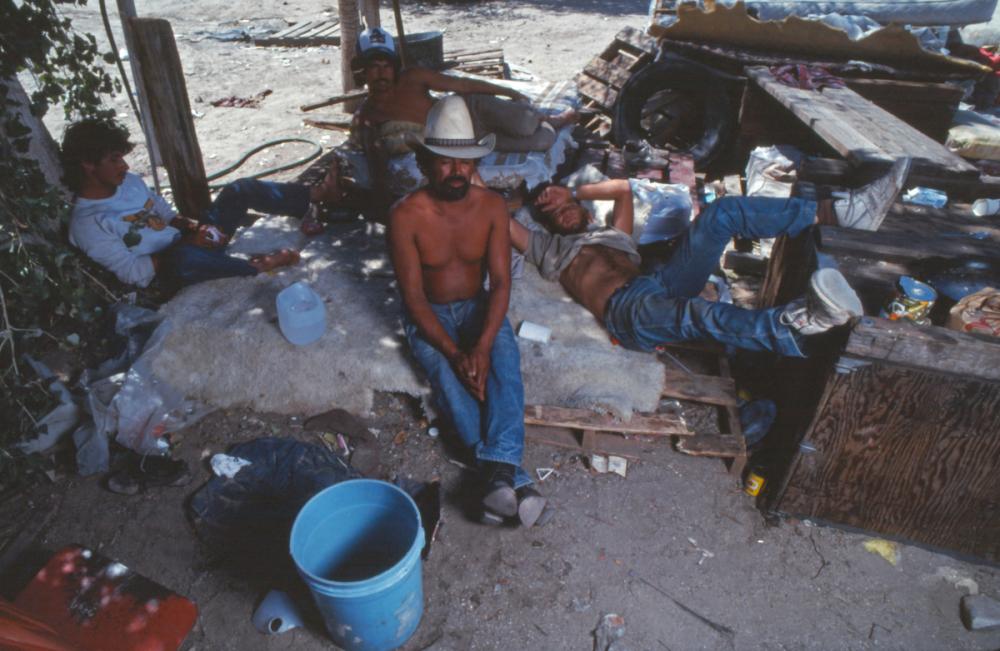
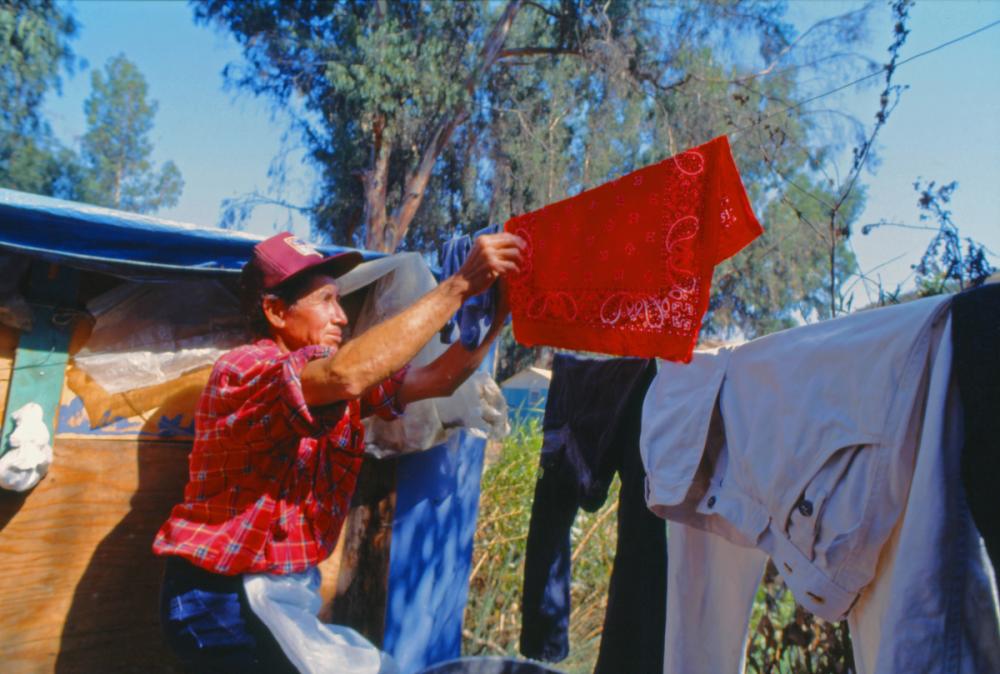
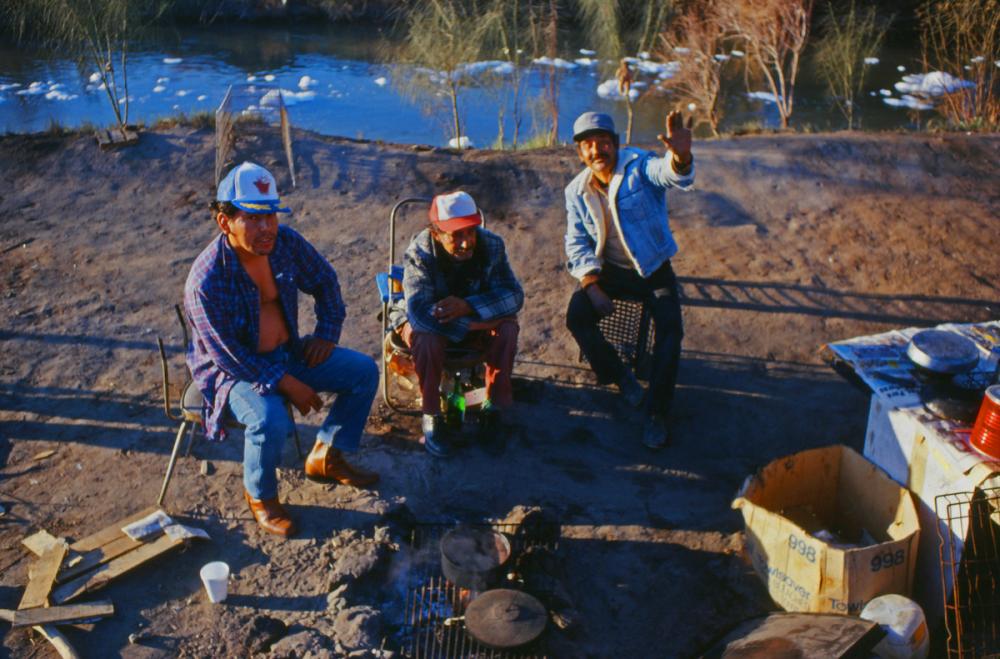
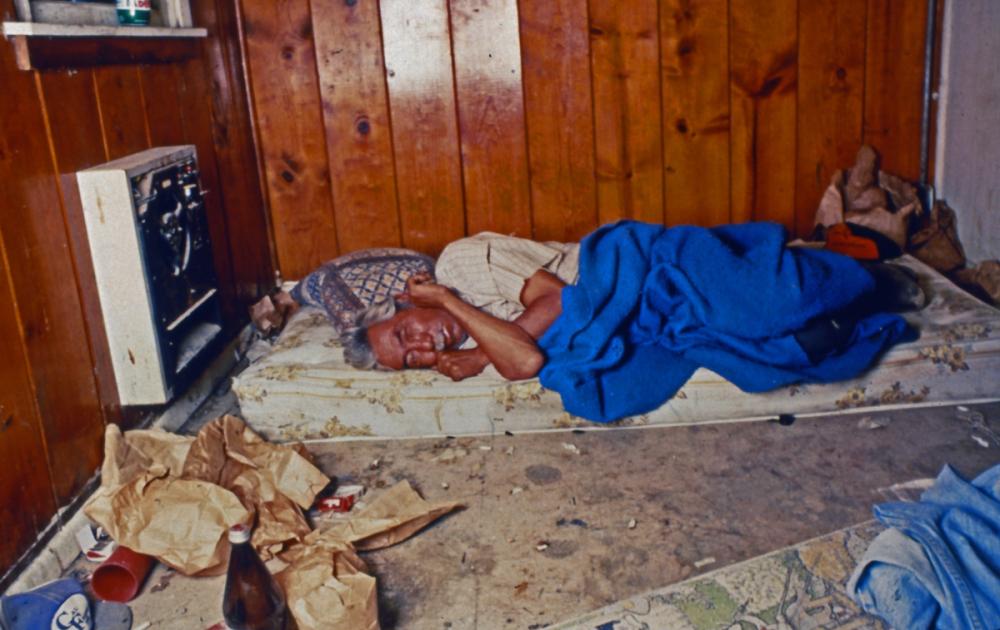
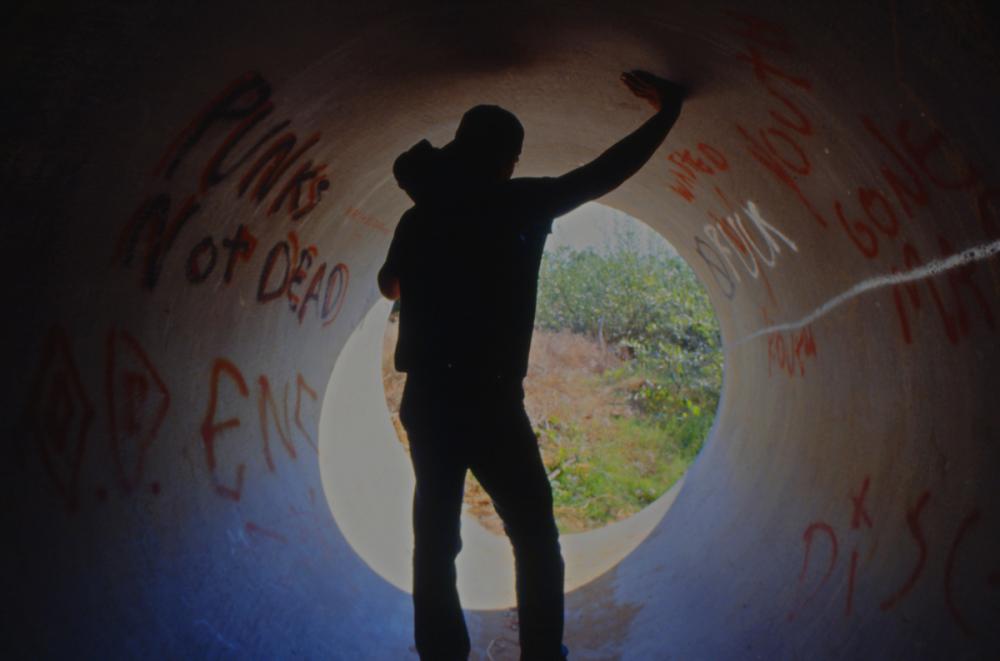
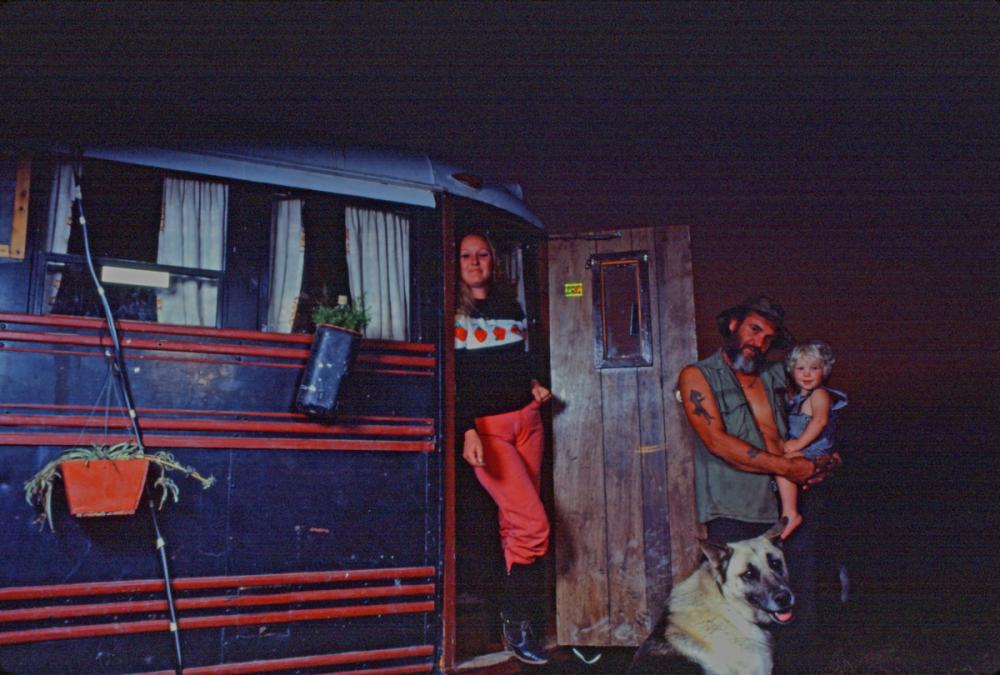
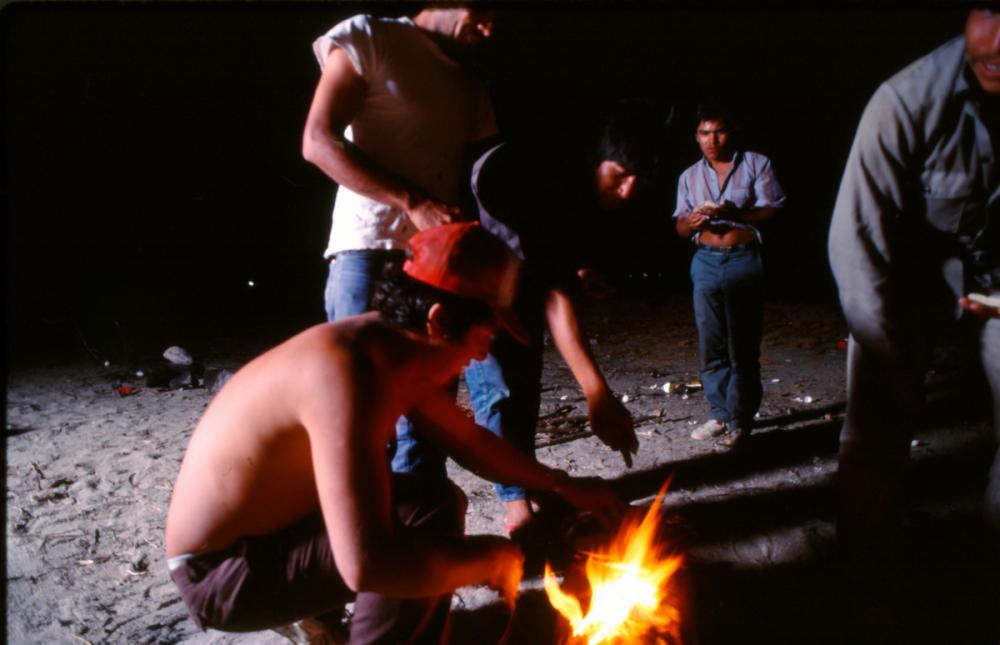
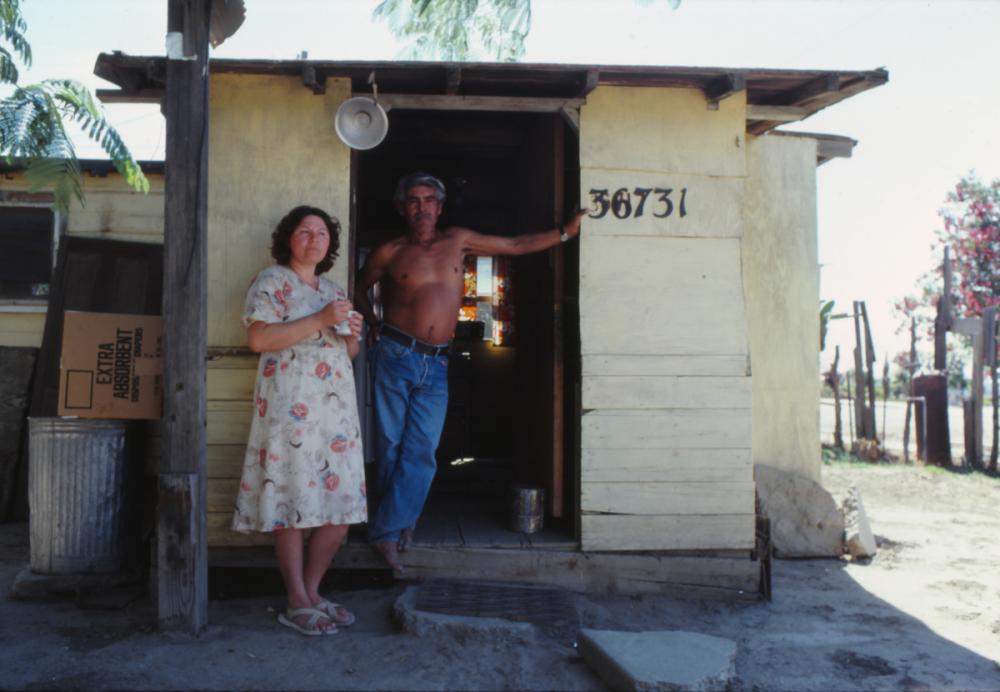
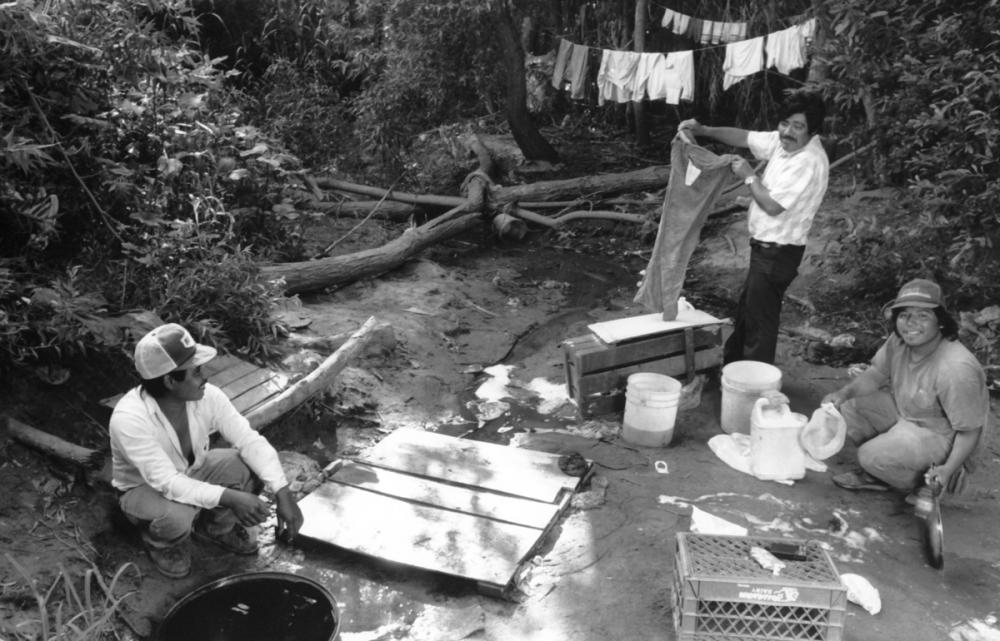
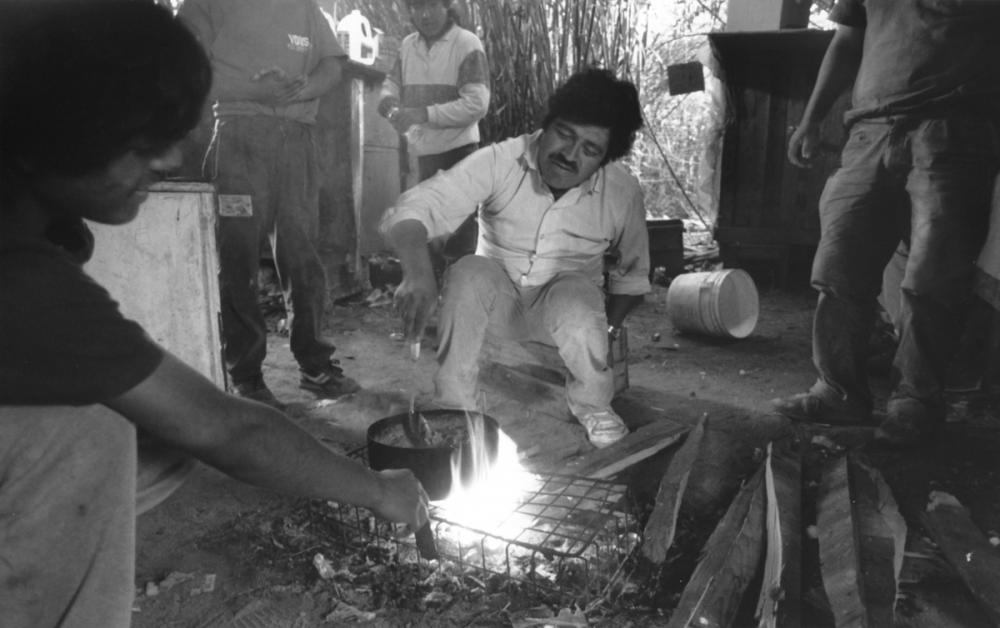
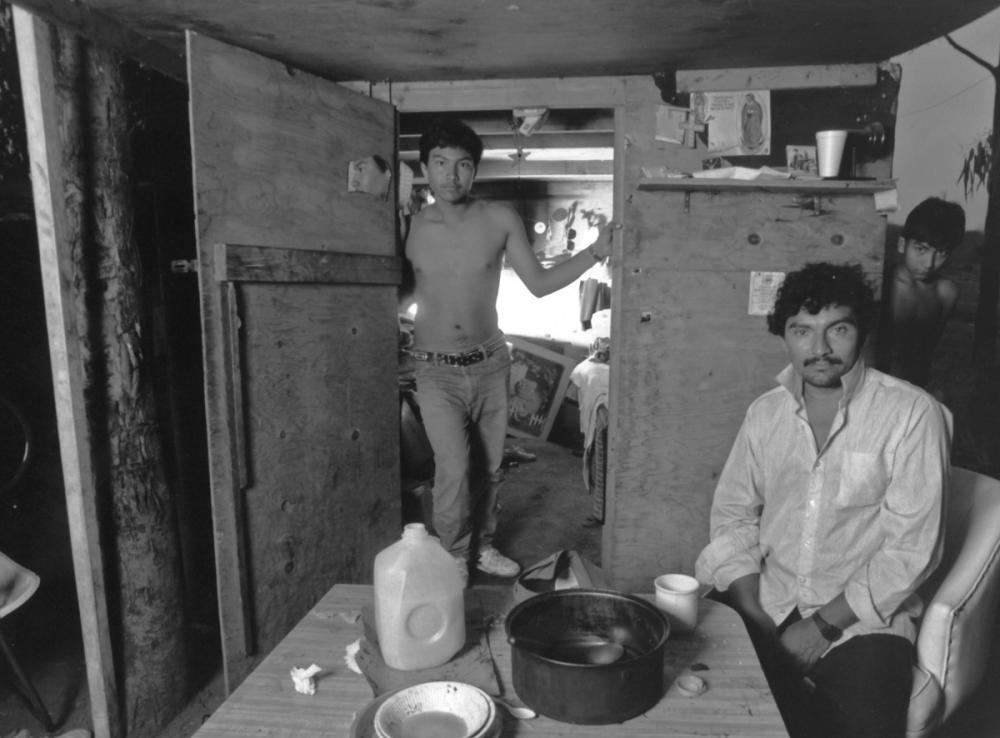
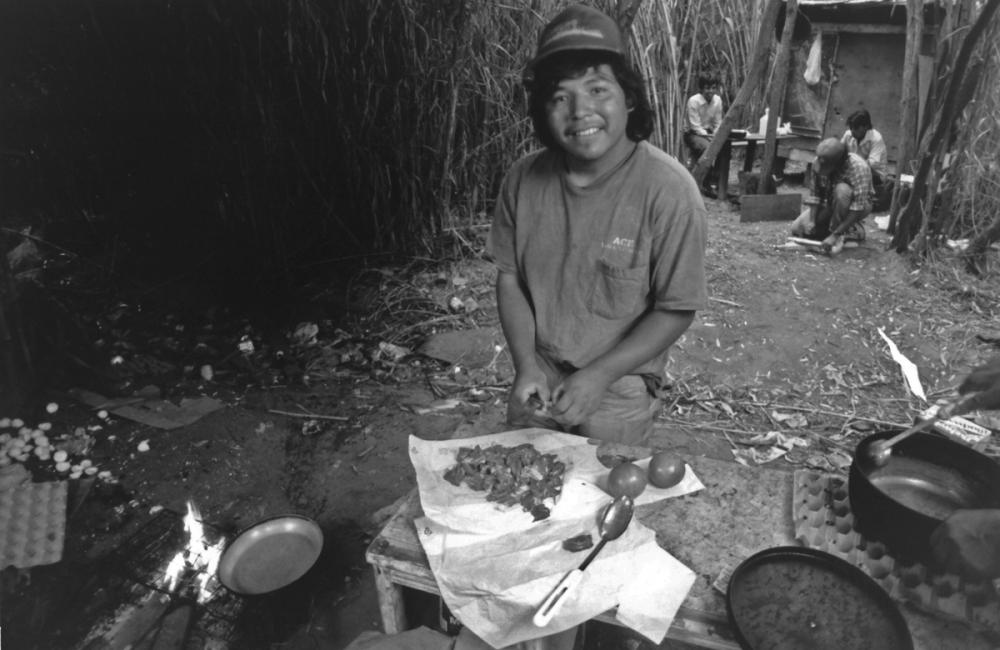
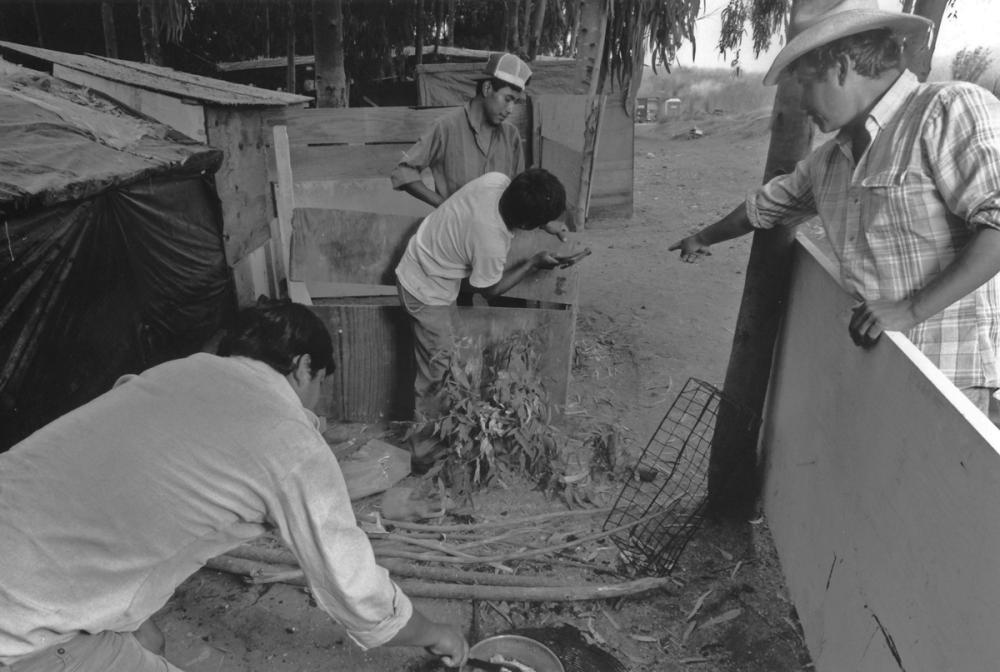
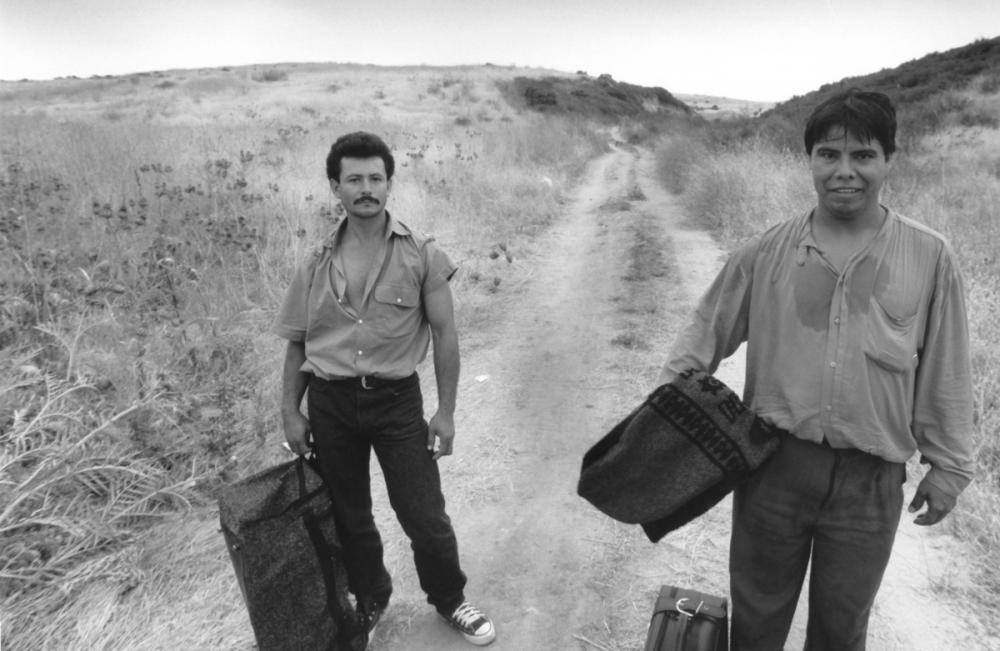
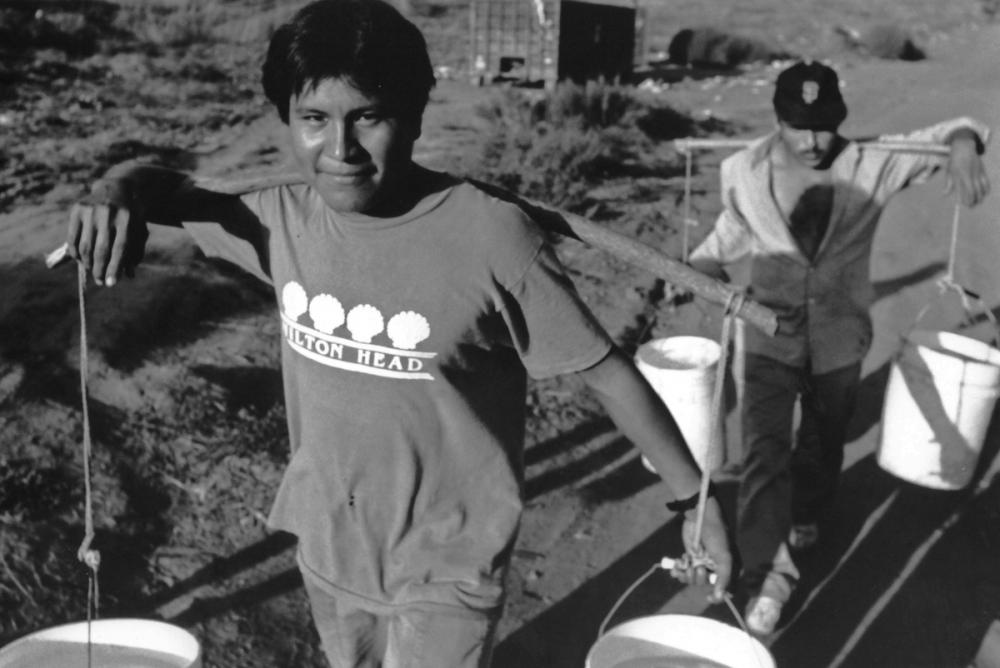
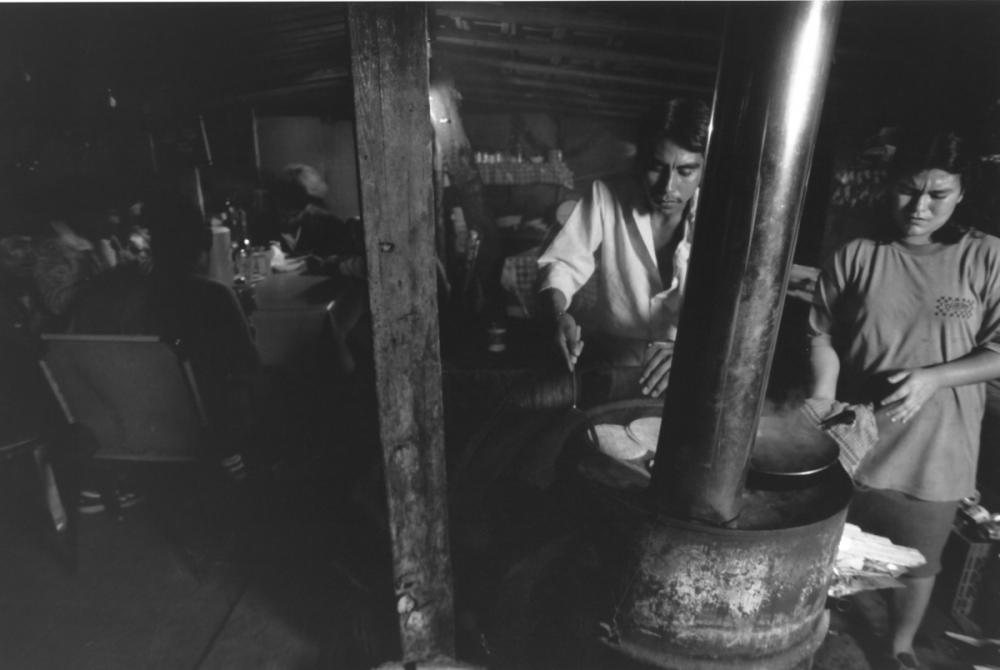
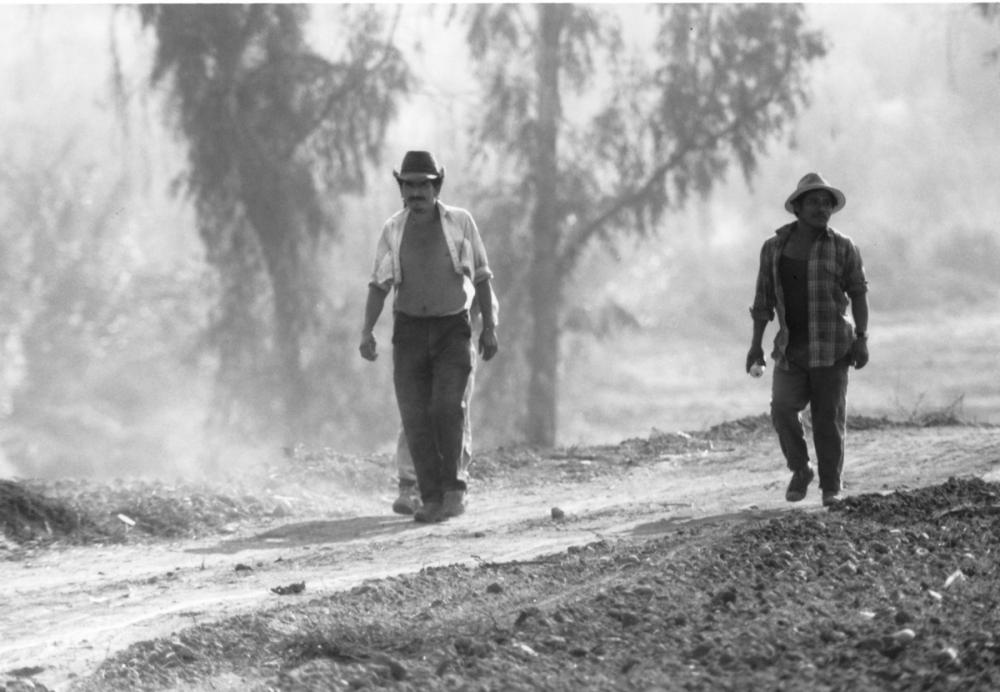
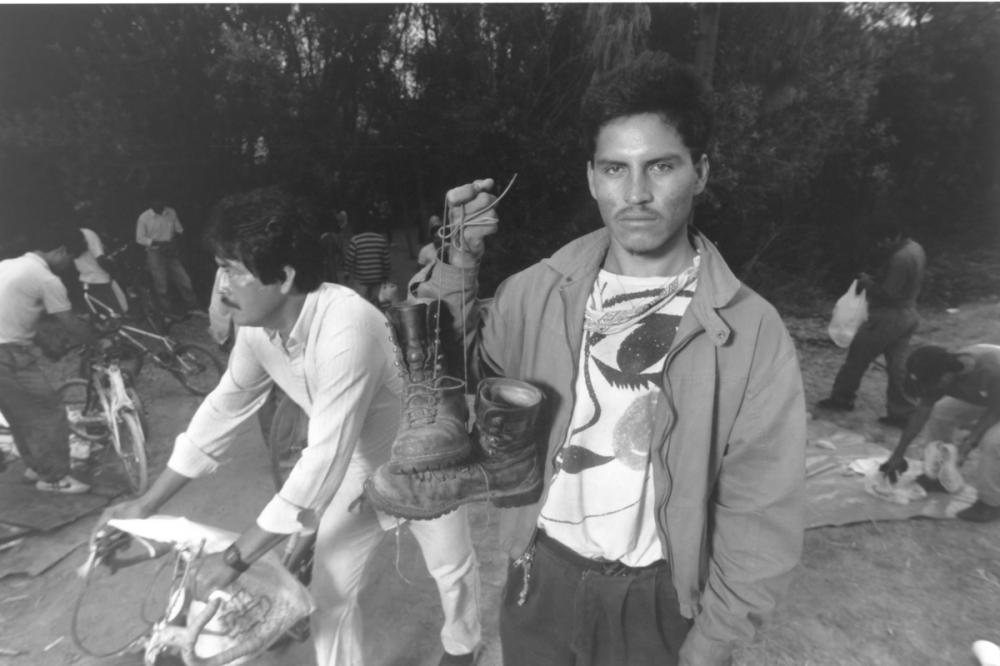
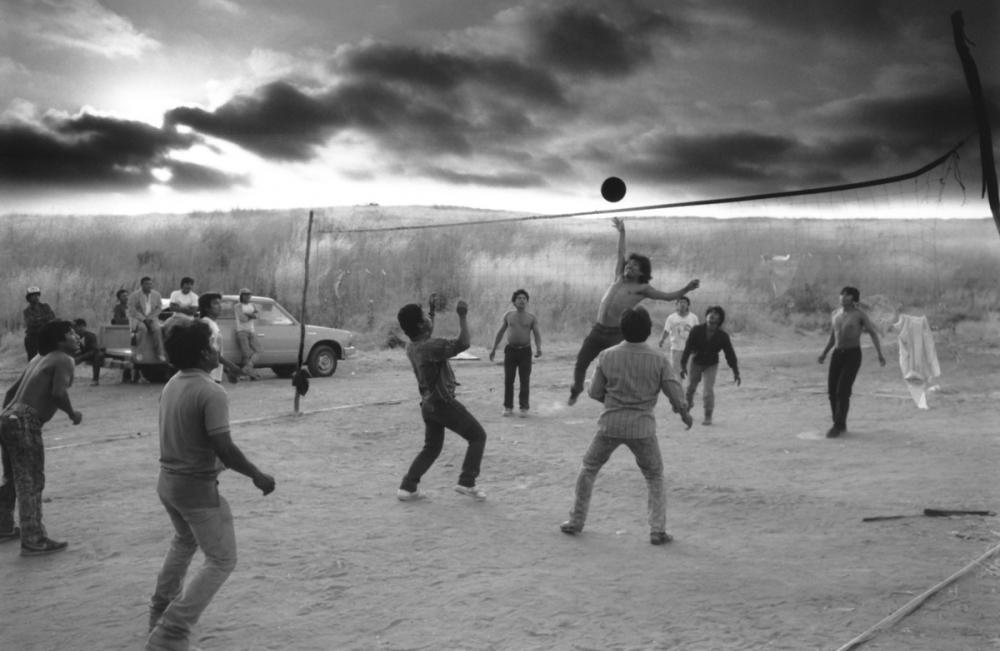
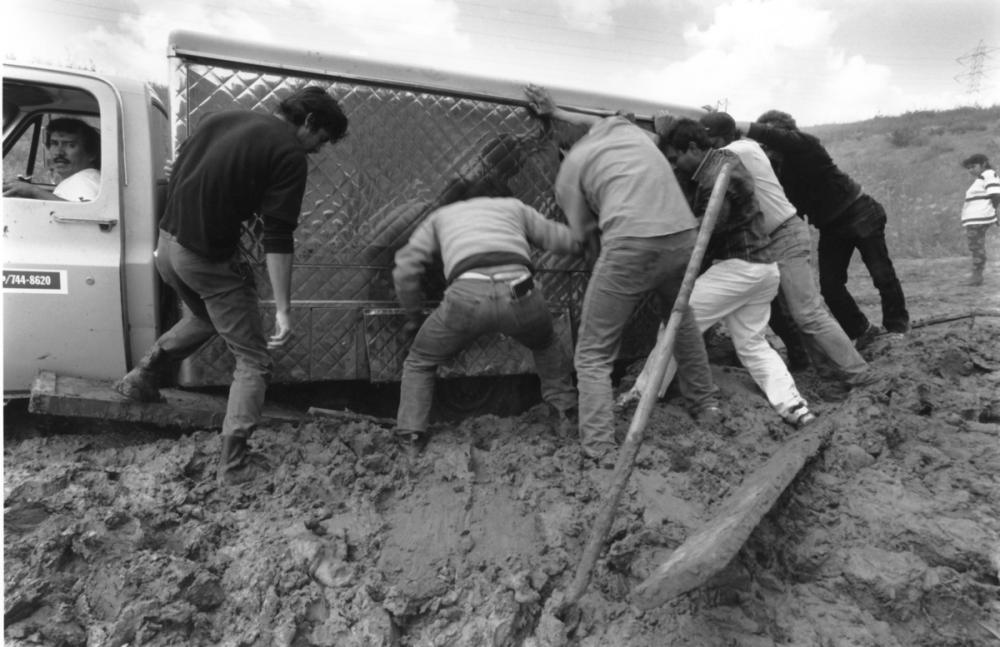
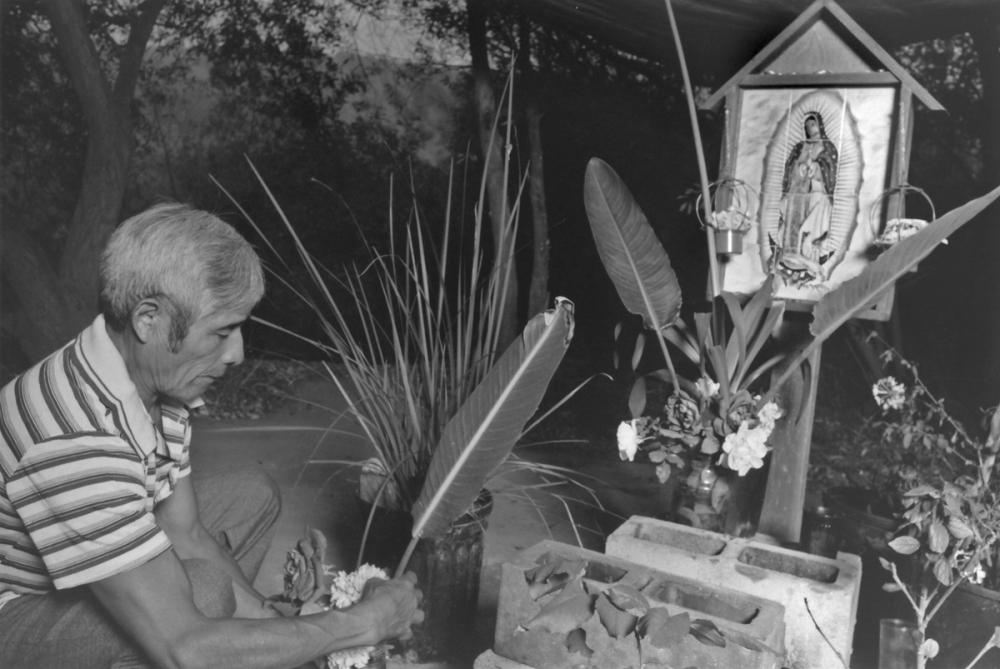
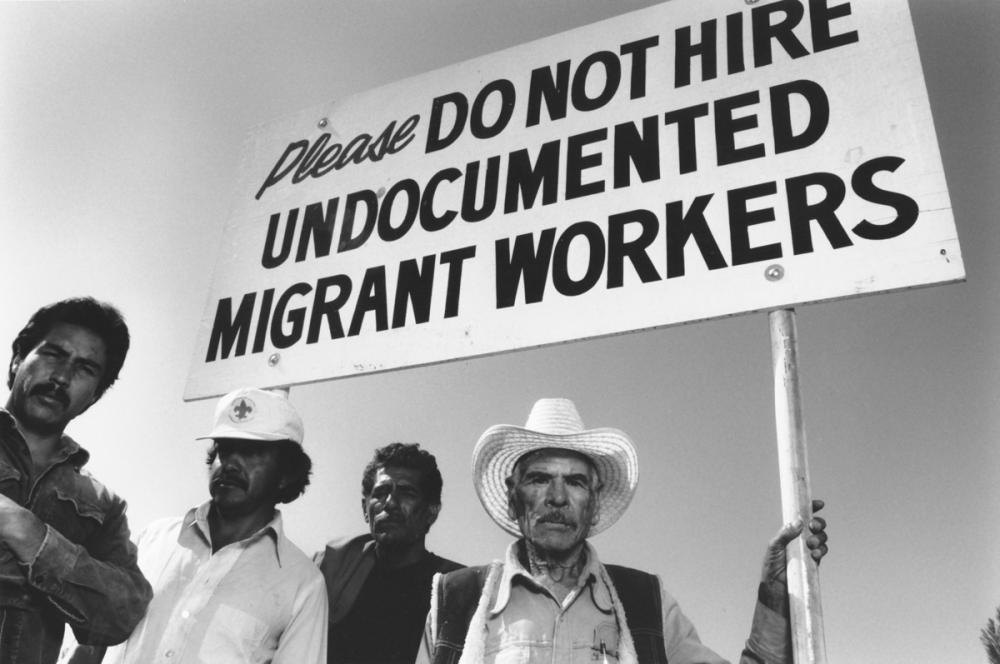
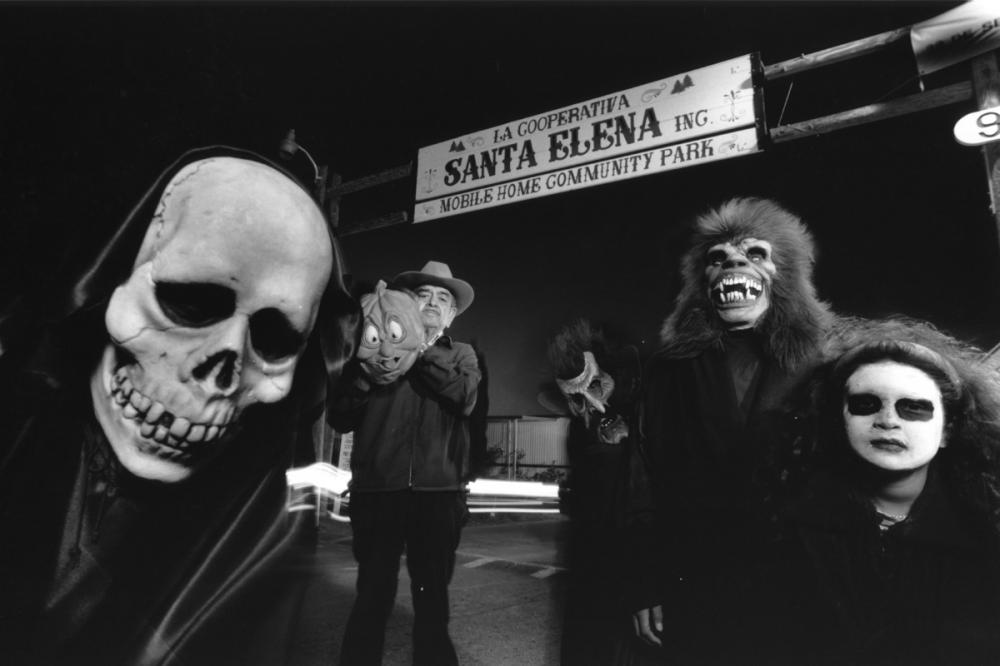
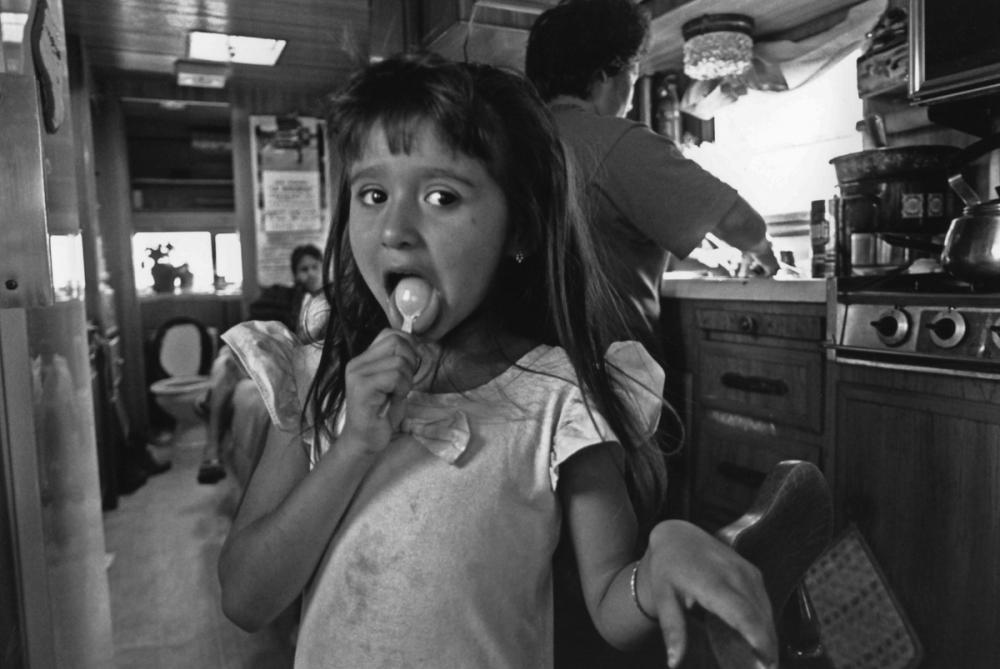
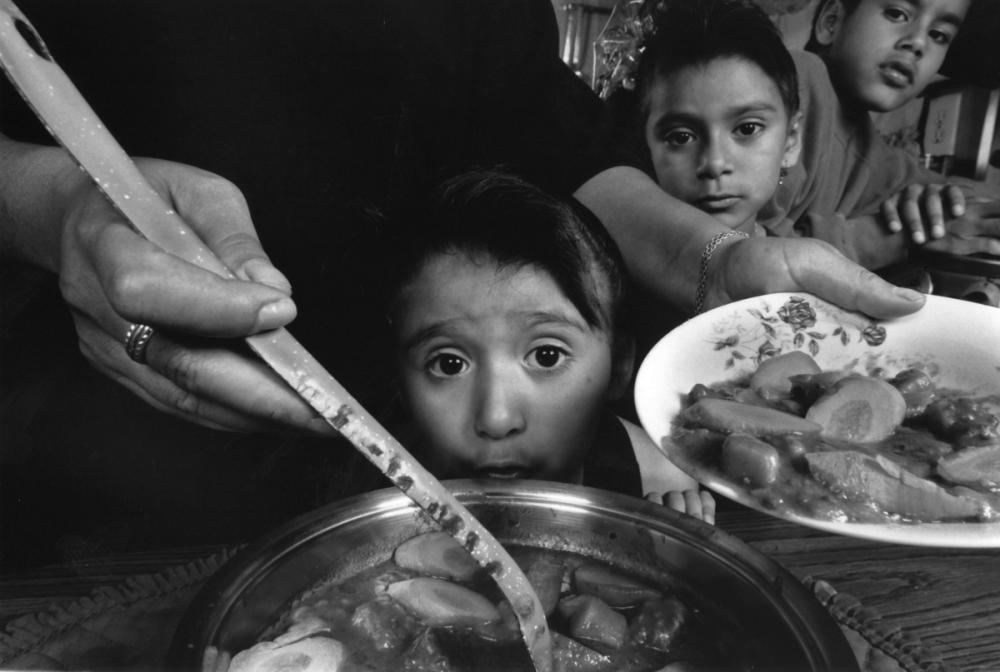
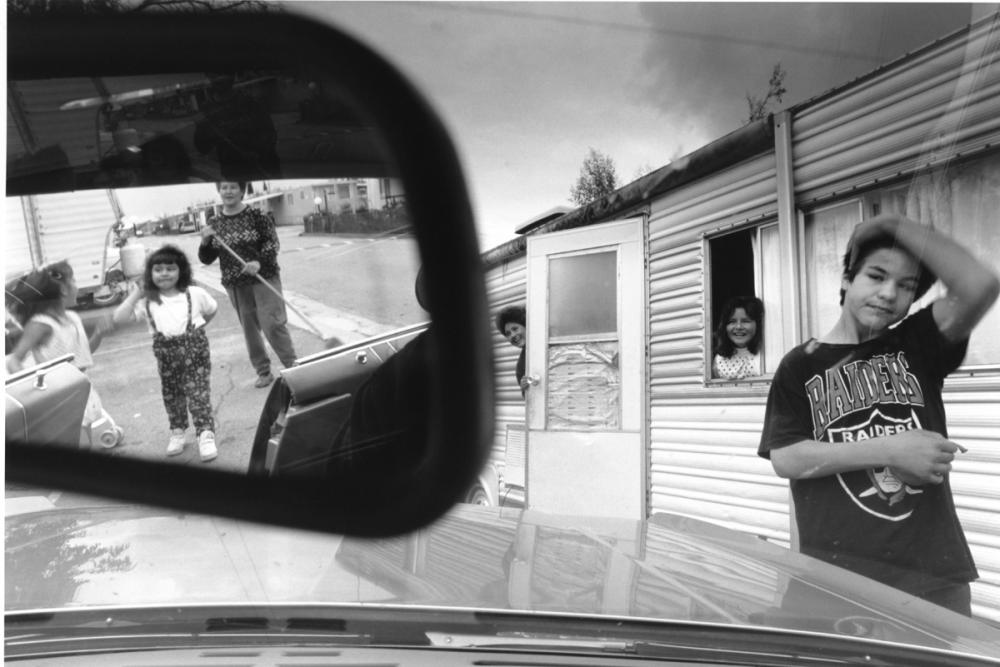
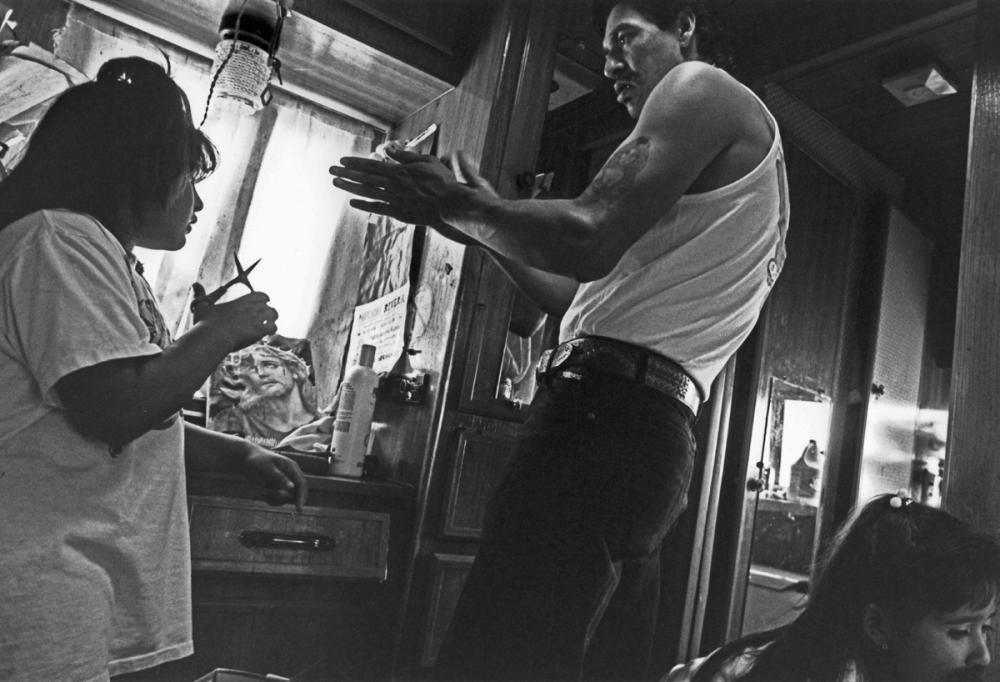
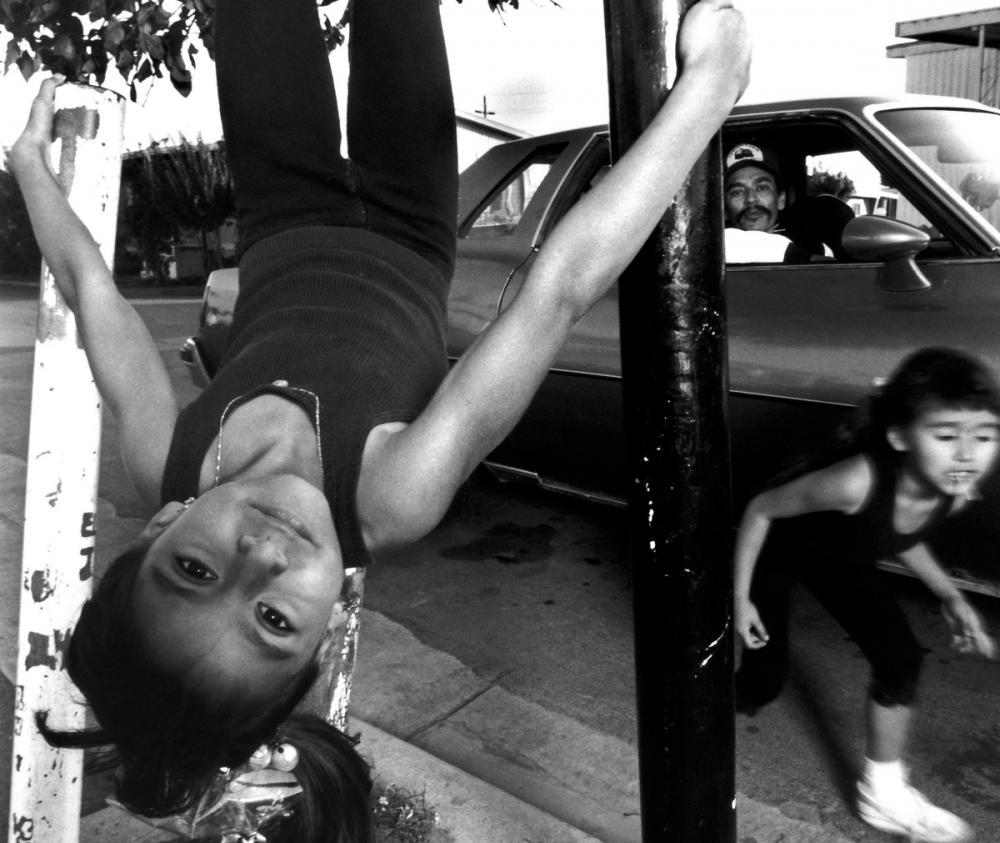
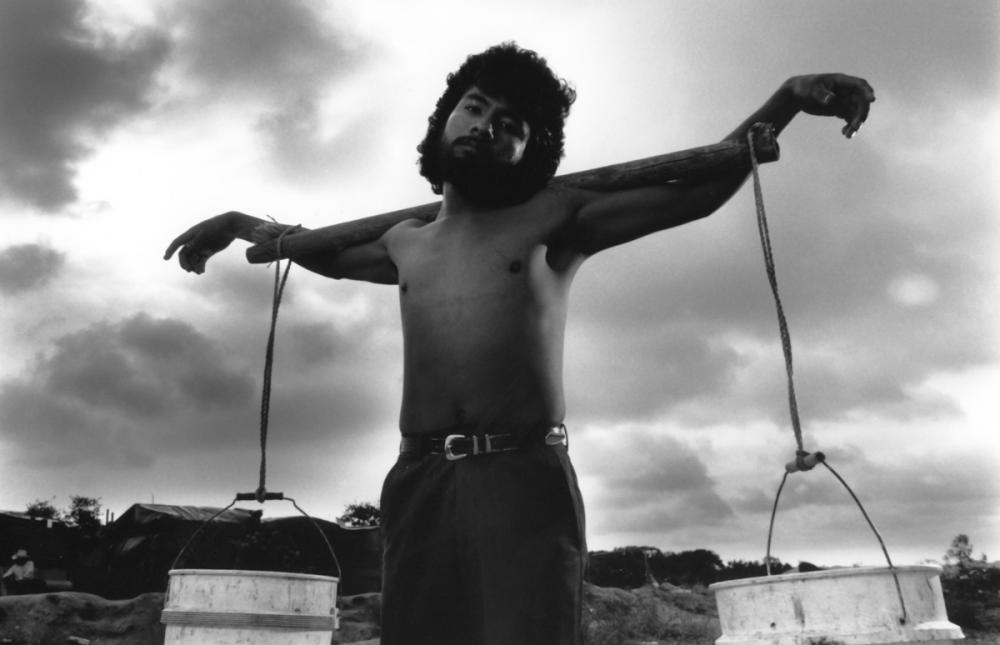
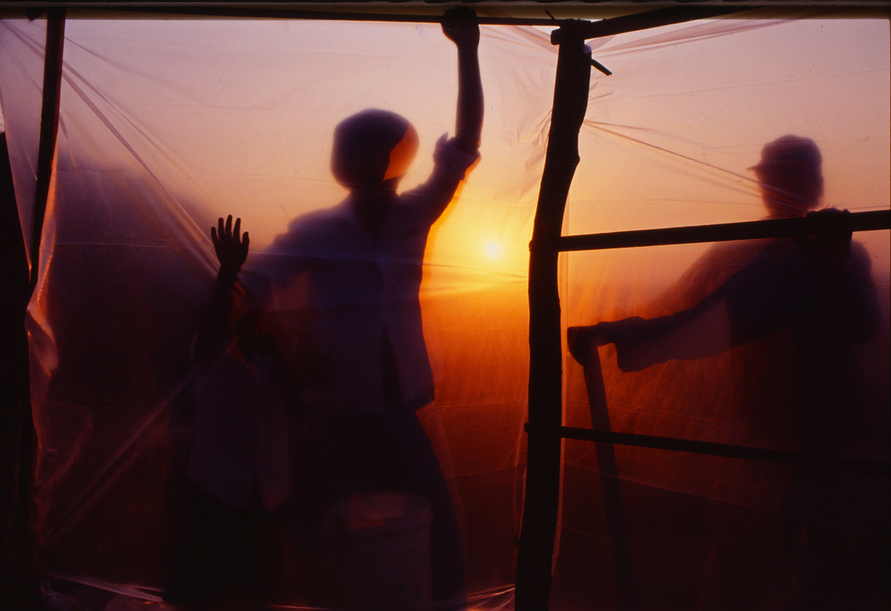
Dorothea Lange’s images of ditch bank settlements were both icons and indictments of the Great Depression. Today, in many parts of the state, conditions are just as bad, or worse. Immigrant farmworkers pay an arm and a leg for substandard housing in garages, residential hotels, backyard sheds, and derelict campers. Thousands camp in gullies, dry washes, and tickets. During the winegrape harvest in the Napa Valley, field hands take over the back yard at the St. Helena Catholic church and sleep along the Napa River. One reason why this situation persists is the shortage of affordable housing. Another is self-sacrifice. When you earn minimum wage, don’t speak English, and work in the fields near Vista or Oceanside, the best way to save enough money for your family in Oaxaca is to camp in the canyons. This is the hidden cost of cheap fruit and vegetables.
Richard Steven Street, Jon Lewis: Photographs of the California Grape Strike (University of Nebraska Press, 2013)
Street, Everyone Had Cameras: Photographers and Farmworkers in California (Univ. of Minnesota Press, 2008)
Street, Beasts of the Field: A Narrative History of California
Farmworkers, 1769-1913 (Stanford University Press, 2004)
Street, Photographing Farmworkers in California (Stanford University Press, 2004)
Street, Organizing for Our Lives: News Voices from Rural Communities (New Sage Press/California Rural Legal Assistance, Portland, 1992), Introduction by César Chávez.
Street, Kern County Diary: The Forgotten Photographs of Carleton E. Watkins, 1881-1888 (Bakersfield, Kern County Museum, 1983).
Street, “The Documentary Eye: How Economist Paul S. Taylor Pioneered Social Documentary Photography,” California magazine 120 (May/June 2009), 51-58
Street, “Delano Diary: The Visual Adventure and Social Documentary Work of Jon Lewis, Photographer of the Delano, California Grape Strike, 1966-1970,” Southern California Quarterly 91 (Summer 2009), 191-235.
Street, “Photographing from the bullpen on assignment, when César Chávez ended his fast at Forty Acres, August 21, 1988,” 77 Pacific Historical Review (Winter 2008), 151-153 (and photograph)
Street, “Leonard Nadel’s Photo Essay on Bracero Laborers in California,” Center 27: Record of Activities and Research Reports, June 2006-May 2007, National Gallery of Art, Center for the Advanced Study in the Visual Arts (Wash., DC, 2007), 152-155.
Street, “Poverty in the Valley of Plenty: The National Farm Labor Union, DiGiorgio Farms, and Suppression of Documentary Photography in California, 1947-66,” Labor History 48 (February 2007), 25-48.
Street, “The Photographer’s Double: The Photographer as Historian, the Historian as Photographer,” Visual Communication Quarterly 13 (Spring 2006), 66-89
Street, “Lange’s Antecedents: The Emergence of Social Documentary Photography of California’s Farmworkers,” Pacific Historical Review 75 (August 2006), 385-428.
Street, “Framing Farm Workers Through a Historian’s Lens,” The Chronicle of Higher Education, June 7, 2002, B13-15 reprinted in History News Network.
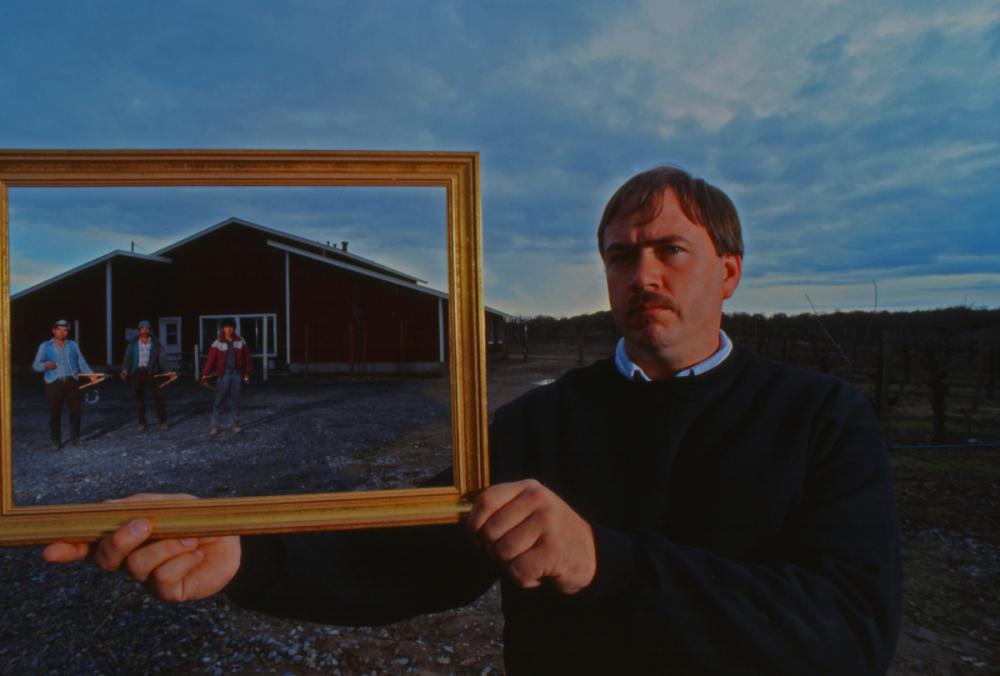
I discovered many of these images as the result of access gained through my work as a commercial photographer. Driving along the Mecca Slope, in the Coachella Valley, you have no idea that people are living in burned-out vans surrouned by lush vineyards or that there are provisional camps hidden in neighboring citrus orchards. Walking the streets of any small farm town, there are few clues that many garages in otherwise normal-looking housing tracts are barracks with six or more bunks, a hot plate, and a shower outside rigged to a garden hose; or that income from those barracks often makes the difference for slightly better-off farmworkers living on the margin. Ironically, grower-maintained labor camps offer some of the best temporarry housing in the state, but are increasingly rare. Of all the camps, those run by the state of California and as private, farmworker coopertaives are by far the best. One or two even have swimming pools. When I photograph farmworkers living in the bushes, backyards, and gutted vans, I never supply the images to local newspapers, no matter how raw or exploitative the conditions. To do so is to hurt more than help. If you create a stink, no matter what you find, it always works gainst farmworkers. With the uproar inspectors arrive. Camps and barracks are shut down and bulldozed. And farmworkers move to even worse housing. Laws only go so far. What will make the difference? A union and the end of the oversupply of labor created by endless waves of desperate, first-generation immigrants. Absent those changes, thousands of farmworkers will continue to bring in the harvest while camped in the bushes, under the trees, beneath billboards -- anywhere there is shade and water.
David Bacon, Communities Without Borders: Images and Voices from the World of Migration (Cornbell Univ. Press, 2006).
Ken Light, To the Promised Land: Photographs by Ken Light (Aperature, 1988).
Richard Steen Street, Organizing for Our Lives: New Voices from Rural Communities (New Sage Press, 1991).
Richard Steven Street, " Life in the Canyons: Photographs of San Diego's Immigrant Shantytown Communities," Labor's Heritage (Fall/Winter 2002).
Don Dartletti, Between Two Worlds: The People of the Border (Okaland Mueum, 1992)
Nancy Buirski, Earth Angels: Migrant Children in America (Pomegranate Books, 1994)
Streetshots.org
Make Comment/View Comments