
2026 SDN Visual Storytelling Festival Speaker Series

Panel discussion with
2026 ZEKE Award Winners
Wednesday, April 1, 1:30 pm ET via Zoom
Ginevra Bonina, Out for Blood
Ebrahim Alipoor, Bullets Have No Borders
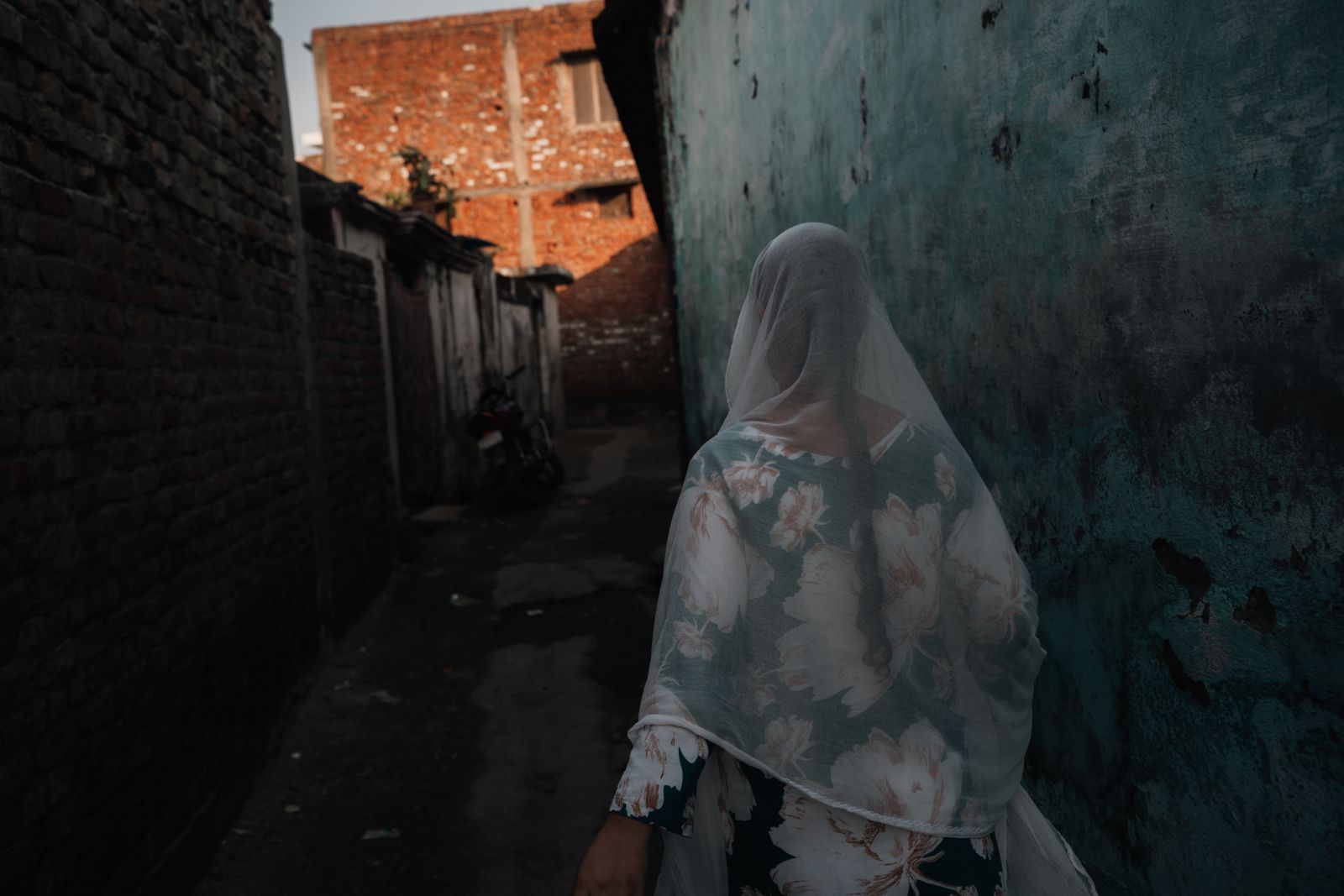
A young Muslim woman walks through the alleys of Baghori village. Despite coming from a relatively comfortable economic background, her life, and that of her relatives and friends, is deeply affected by the taboos and stigma surrounding menstruation. Sitarganj, Uttarakhand, India, November 2025. Photograph by Ginevra Bonina.
First Place: ZEKE Award for Systemic Change
Ginevra Bonina
Out for Blood, India
 Menstruation is a physiological process, but despite being universal– influencing psycho-physical well-being, reproductive health, education, work, and spiritual life– it remains surrounded by taboos and stigma rooted in mythology, religion, medicine, and culture. These prejudices have tangible consequences, turning periods into an invisible, underestimated issue.
Out for Blood documents the most extreme consequences of this reality in India: period poverty, defined as limited access to safe menstrual products, adequate sanitation, and education. Of approximately 355 million women of reproductive age, only 45% are aware of menstruation before menarche (first menstrual period). Many still rely on cloths– a non-hygienic practice risking infections. 24% of girls drop out of school after menarche due to inadequate sanitation.
Through voices from Hindu, Muslim, and Adivasi communities, the project documents lives and environments while addressing inequality, violence, taboos, sustainability, and healthcare access. This is not solely a public health issue but a human rights concern, as menstruation functions as a tool of control over women's bodies. The project aims to foster awareness and self-determination, reclaiming the body as a site of struggle, resistance, and liberation.
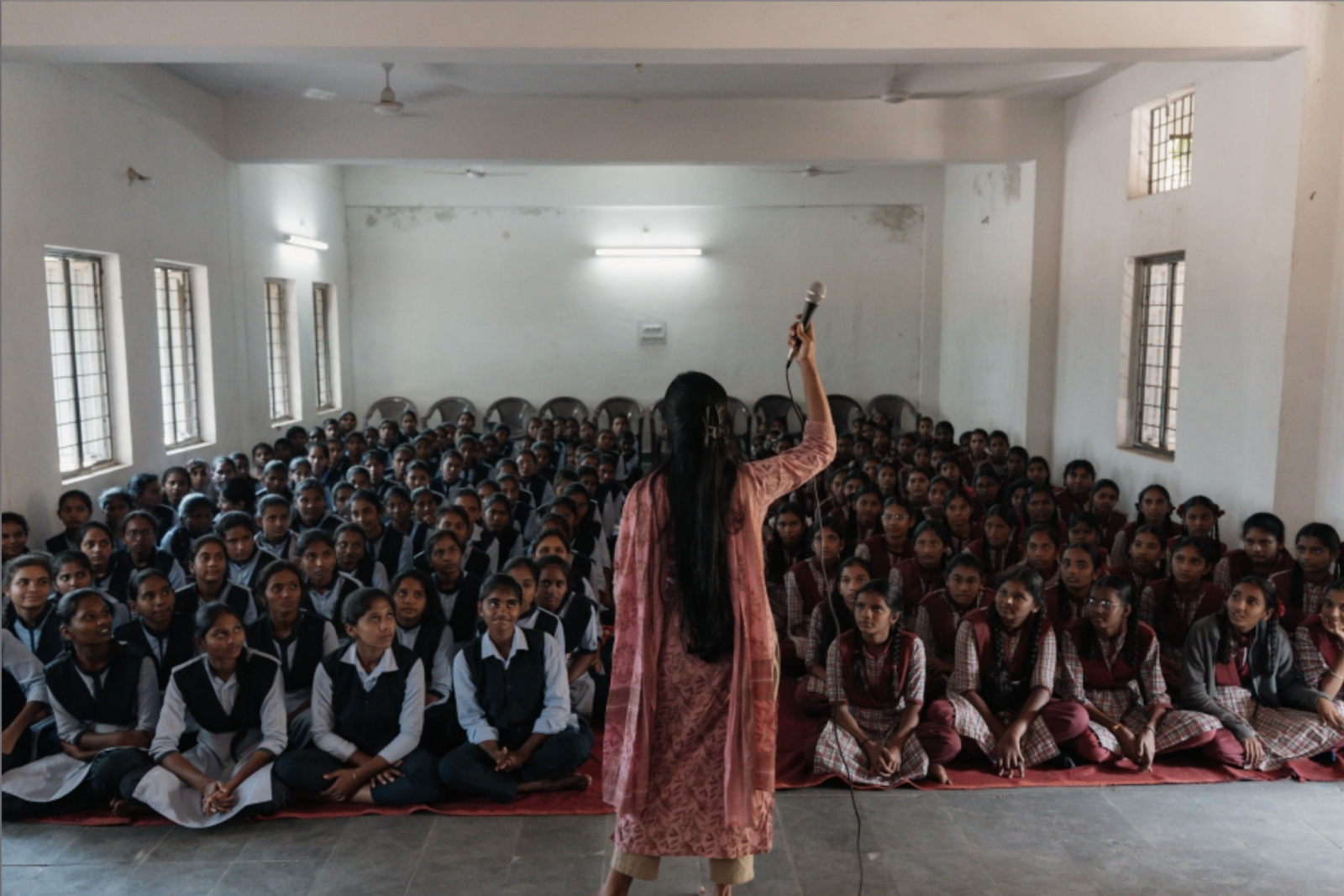
Photo: A menstrual education session led by Garima Sarma, project manager at Pinkishe Foundation. Pinkishe Foundation is an Indian NGO, founded by Arun and Khyati Gupta, that combats menstrual poverty and promotes awareness, dignity, and women’s empowerment across India. TSMS Jainad School, Adilabad, Telangana, India, November 2025.
Ginevra Bonina
 Ginevra Bonina is an Italian documentary photographer, writer, and producer. Born in Catania, Sicily, she holds a Master’s degree in Languages, Economics, and Institutions of Asia and North Africa from Ca’ Foscari University of Venice (2017). In 2024, she completed a Masterclass in Photo and Video Journalism with the Italian news magazine InsideOver and joined the Canon Student Development Program. Based in Geneva, Switzerland, since 2019, Ginevra works as a freelance photographer and video-maker, balancing commercial assignments with personal, long-term projects focused on women’s and minority rights, feminist issues, and spirituality. Her practice combines a documentary approach with a poetic and symbolic visual language, often informed by anthropology and storytelling.
First Place: ZEKE Award for Documentary Photography
Ebrahim Alipoor
Bullets Have No Borders, Iran
 Bullets Have No Borders is a long-term documentary project about Kurdish Kolbars– border porters who carry goods across the Iran-Iraq mountains to support their families. In regions shaped by chronic unemployment, political pressure, and marginalization, Kolbari is often the only available source of income.
The project follows men and teenagers on night journeys through snow, fog, minefields, and militarized border zones, where they face armed patrols, falls, hypothermia, arrest, and death. Beyond the crossings, the work looks at waiting families, injured bodies, mourning, and the persistence of daily life under constant risk.
Photographed over nearly a decade with close access and long-term trust, the images reveal how an invisible economy operates through fear and endurance. At the same time, they show dignity, solidarity, and responsibility as forces that sustain individuals and communities. Bullets Have No Borders asks how survival becomes criminalized– and what it means when borders value goods more than human lives.
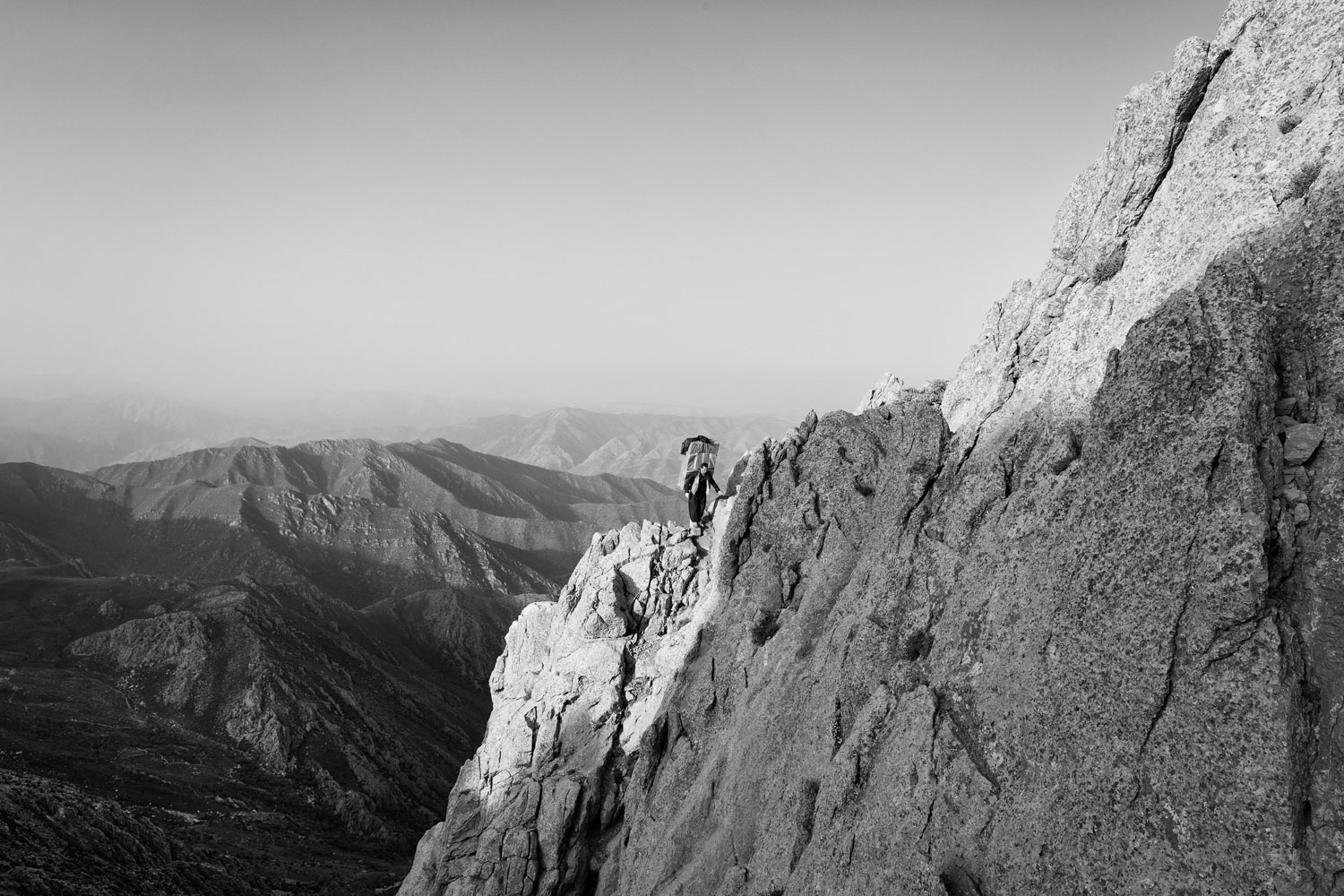
Photo: One of the countless arduous crossing paths that the Kolbars have to take while carrying items weighing more than 50 kilograms for long distances. These passages are one of the main causes of the deaths Kolbars endure. Kolbars usually leave late at night for the border to make a crossing early in the morning. Kurdistan, Iran, June 2019. Photo by Ebrahim Alipoor.
Ebrahim Alipoor
 Ebrahim Alipoor is a Kurdish-Iranian photographer focusing on long-term documentary and visual storytelling around borders,identity, and social realities in the Middle East. Alipoor is a self-taught photographer, but over the past years, has used every opportunity to continue learning, including participation in the VII Mentor Program and other educational experiences. Alipoor has received several awards, including World Press Photo, POY Asia, the Canon Grand Prize, and the Allard Prize.
Sponsors