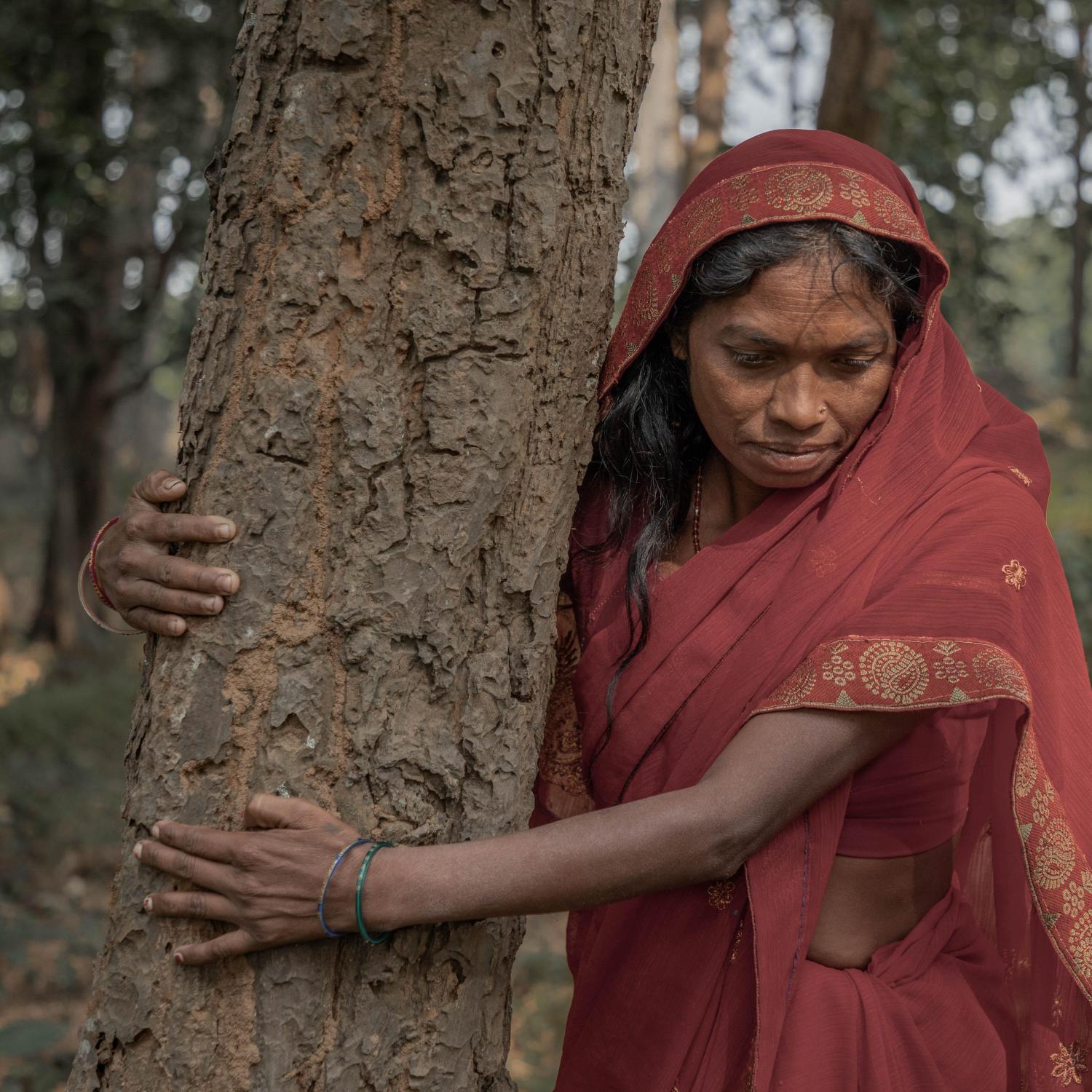



April 07, 2023: In Chhattisgarh’s Surguja district, vast stretches of forest face a new wave of destruction as coal mining expands deeper into the Hasdeo-Arand region. In August 2025, the State Forest Department recommended diverting 1,742.60 hectares of dense forest for the Kente Extension coal block, a decision that could lead to the loss of nearly 450,000 trees. The move comes on the heels of earlier clearances for the Parsa coal project, where locals allege that trees were felled before proper consultations were held. For tribal residents of villages like Ghatbarra, the consequences are deeply personal. They say their forest rights legally recognized under the Forest Rights Act, were revoked without consent to pave the way for mining. Community leaders and activists have accused authorities of using forged gram sabha resolutions to push approvals through, calling for the cancellations of permits granted on dubious grounds. Protests continue, reflecting a larger struggle between energy expansion and indigenous survival.
Black Diamond and Tears
Supratim Bhattacharjee | India
Photographer: Supratim Bhattacharjee
Exhibit Title: Black Diamond and Tears
Location: India
Forested belts in Maharashtra, Madhya Pradesh, Chhattisgarh, Jharkhand, and Odisha are being rapidly cleared as open-cast coal mining expands into tribal regions. These five states contain over 70 percent of India’s coal reserves. From 2015 to 2023, nearly 1.2 million hectares of forest were diverted for mining and industry, with another 90,000 hectares under review in 2024. A 13 percent rise in coal output in 2023–24 has further intensified pressure on land and ecosystems.
This expansion is dismantling biodiversity corridors and weakening vital carbon sinks, undermining India’s 2070 net-zero ambitions and increasing regional heatwave risks. Tribal communities bear the highest cost. Families dependent on forests for food, medicine, and livelihoods is displaced with inadequate rehabilitation, driving poverty, malnutrition, debt, and school dropouts.
Jharia in Jharkhand exemplifies this crisis. Once forested, it is now scarred by open pits and burning coal seams. Toxic gases saturate the air, poverty is widespread, and children face hazardous labour, illness, and disrupted education—revealing the long-term human and ecological cost of coal dependence.
Over the past decade of working on this project, I have traced how India’s rising energy demand—driven by a population of 1.5 billion and a fast-growing economy—has intensified open-cast mining, leading to deforestation, the displacement of tribal communities, and severe health impacts.
Camera Body: Canon EOS 5D Mark IV, Canon EOS 5D Mark III,
Lenses: Canon 24 - 70 f/2.8 L II USM, Canon 24 -105 f/4 L II USM, Canon 17 - 40 f/4 L USM,Canon 35 f/1.4L II USM
N/A
Name: Supratim Bhattacharjee
Email: me@supratimbhattacharjee.com
Call/Whatsapp: +919339460531
Website: www.supratimbhattacharjee.com
Proposed project: Black Diamond and Tears
Synopsis: India, with 1.5 billion people, faces coal damage, deforestation, and tribal displacement, making a swift shift to renewables urgently necessary.
Project Details: Forested belts across Maharashtra, Madhya Pradesh, Chhattisgarh, Jharkhand, and Odisha are undergoing rapid and irreversible transformation as open-cast coal mining advances deeper into tribal landscapes. Together, these five states contain more than 70 percent of India’s coal reserves, placing them at the heart of the country’s energy strategy and its mounting environmental crisis. Between 2015 and 2023, an estimated 1.2 million hectares of forest land in central and eastern India were diverted for mining and industrial use. Assessments released in 2024 indicate that an additional 90,000 hectares are currently under clearance proposals. As the world’s second-largest coal producer, India recorded a 13 percent rise in coal production in 2023 24, intensifying pressure on already-fragile forest ecosystems.
This expansion is fragmenting wildlife corridors and dismantling carbon sink systems that help regulate temperature and rainfall across the subcontinent. Forest scientists warn that continued diversion in these regions directly threatens India’s 2070 net-zero commitments and accelerates regional climate instability. The loss of tree cover is increasingly linked to rising surface temperatures, erratic monsoons, prolonged droughts, and more frequent heatwaves across central and eastern India.
The heaviest burden is borne by tribal communities. For generations, Adivasi families have depended on forests for farming, fishing, forest produce, and traditional medicine. As land is acquired for mining, entire villages are displaced with limited compensation and inadequate long-term rehabilitation. Shrinking agricultural land and restricted access to forests have led to growing poverty, food insecurity, indebtedness, and school dropouts. Women and children are disproportionately affected as traditional livelihoods collapse and informal, hazardous labor becomes the only means of survival.
Health impacts are intensifying alongside environmental destruction. Open-cast coal mining releases heavy dust and fine particulate matter, driving widespread respiratory illness, tuberculosis, asthma, and chronic skin diseases. Toxic runoff and acid mine drainage contaminate rivers, ponds, and handpumps, leaving communities without safe drinking water. Jharkhand’s Jharia coalfield is the most extreme example. Once forested, it is now scarred by open pits and century-old underground fires. Air saturated with toxic gases endangers residents, 39 percent of whom live below the poverty line. Children, many scavenging coal to survive, face malnutrition, toxic exposure, and disrupted education, making Jharia a stark warning of coal’s long-term human and ecological cost.
India has reached a decisive moment. With a population nearing 1.5 billion, energy demand is projected to nearly double by 2040. Continued reliance on coal risks irreversible environmental damage and deepening social crises. Transitioning to renewable energy is not only about cutting emissions; it is about protecting communities, restoring ecosystems, and ensuring long-term energy security. Since 2009, I have documented climate impacts across India, focusing on fossil fuel extraction, displacement, and environmental degradation. With support from this grant, I will expand long-term reporting in India’s coal belts, tracing the chain of consequences from deforestation and displacement to disease and disaster. Through photography, data, and lived testimony, the project will culminate in published photo essays, a public exhibition, and a multimedia website, aimed at informing policy, amplifying marginalized voices, and advancing a just energy transition that prioritizes people and the planet.

Make Comment/View Comments