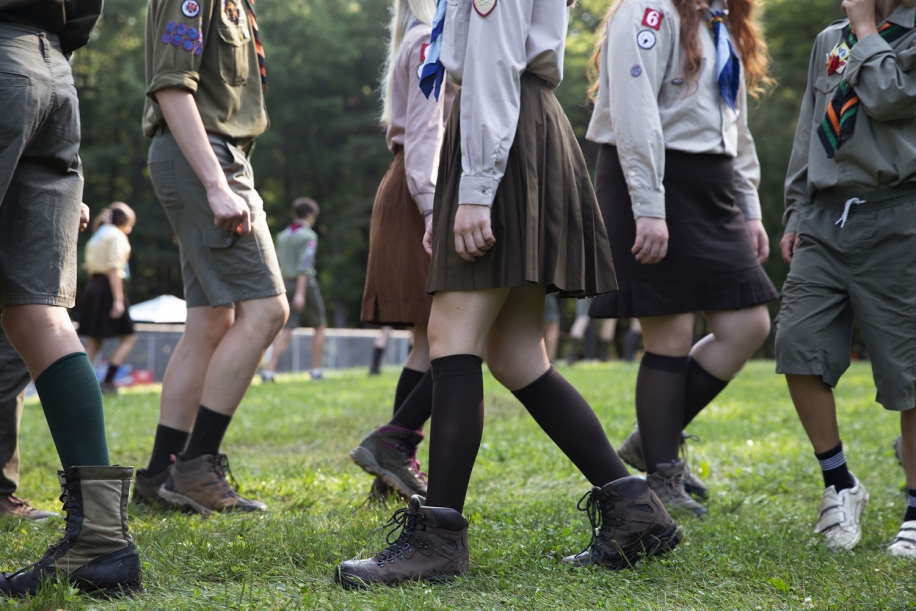


Attention 1, 2006
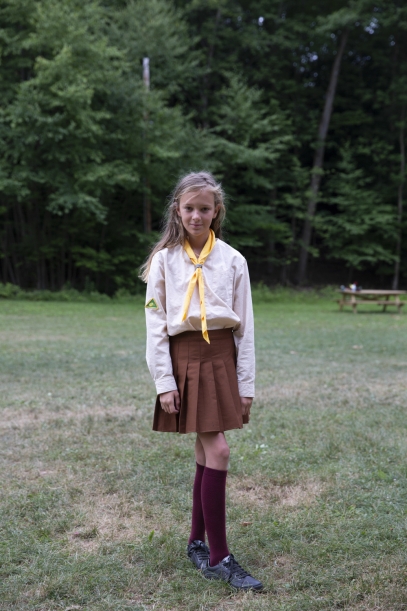
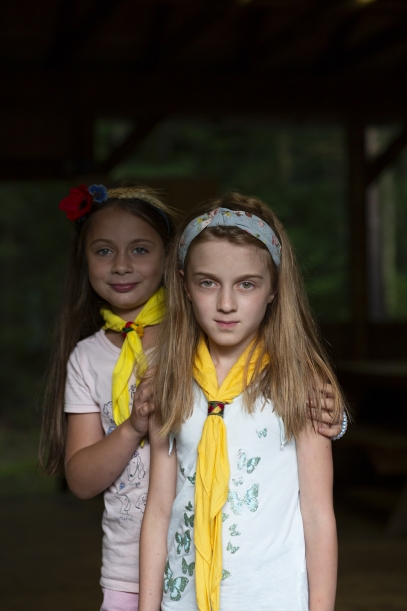
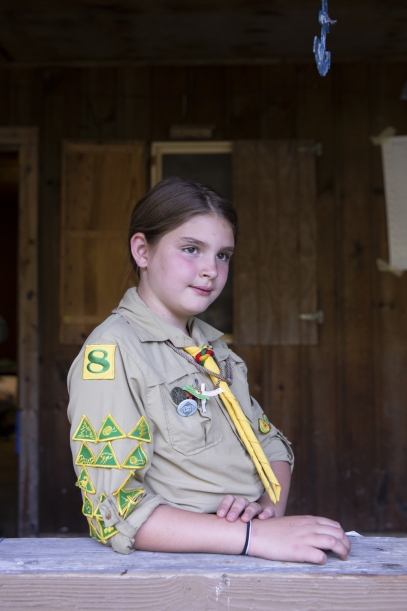
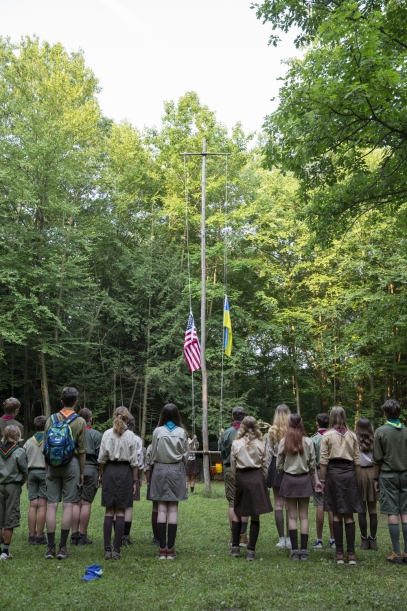
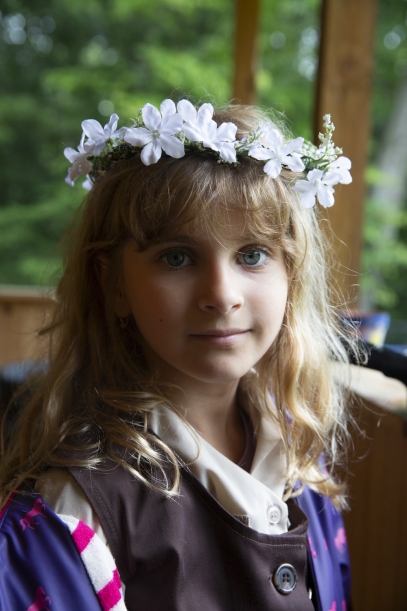
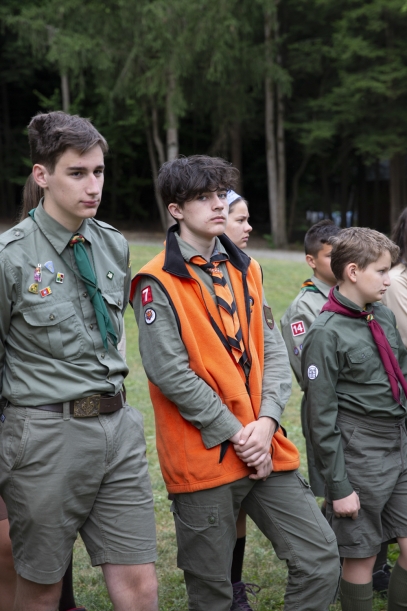
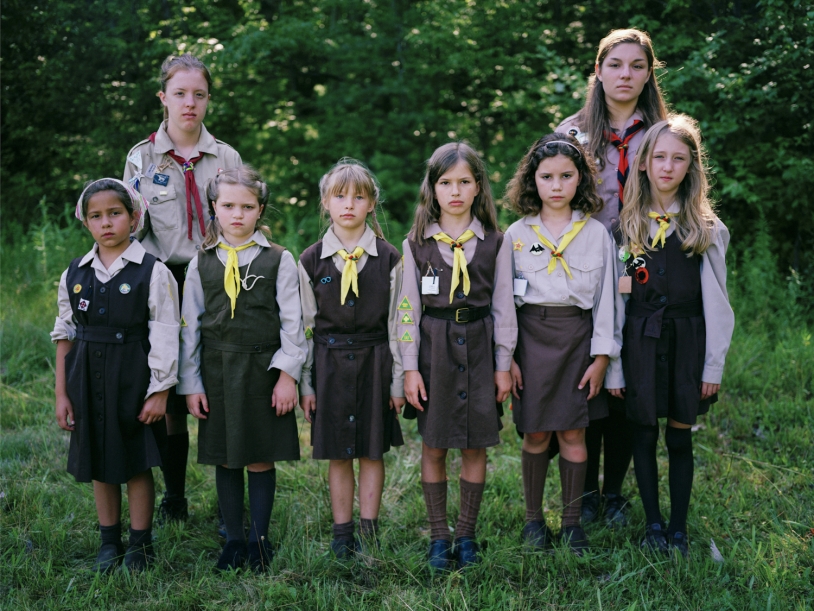
A group of “novachky” (young girl campers) stand at attention for a photograph, along with their two “sestrychky” (counselors, but that word translates to sisters). Since the start of Plast, the Ukrainian scouting organization, marching drills and military-like commands are part of each day at camp.
Novyi Sokil Ukrainian Scout Camp
Andrea Wenglowskyj | North Collins, NY, United States
Photographer: Andrea Wenglowskyj
Exhibit Title: Novyi Sokil Ukrainian Scout Camp
Location: North Collins, NY, United States
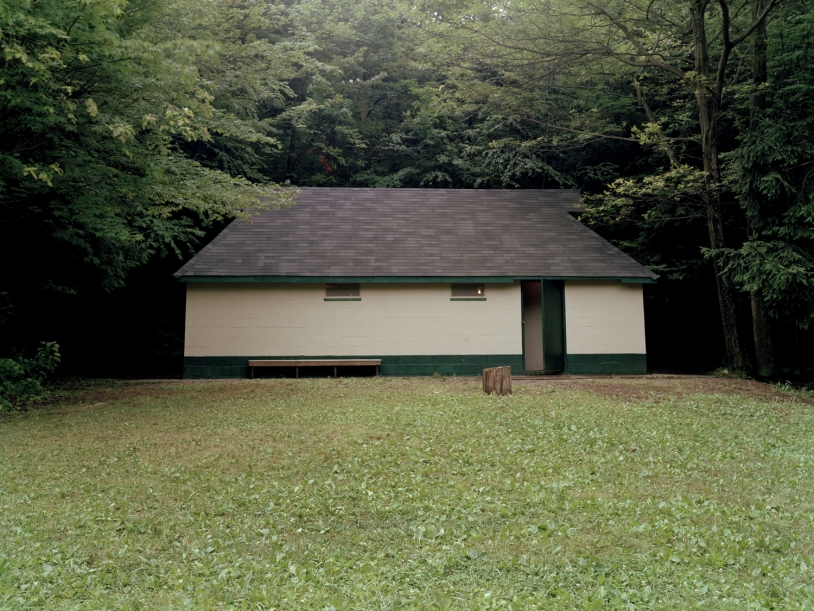
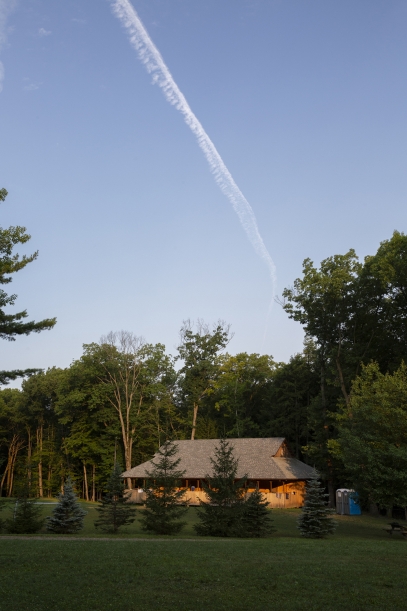
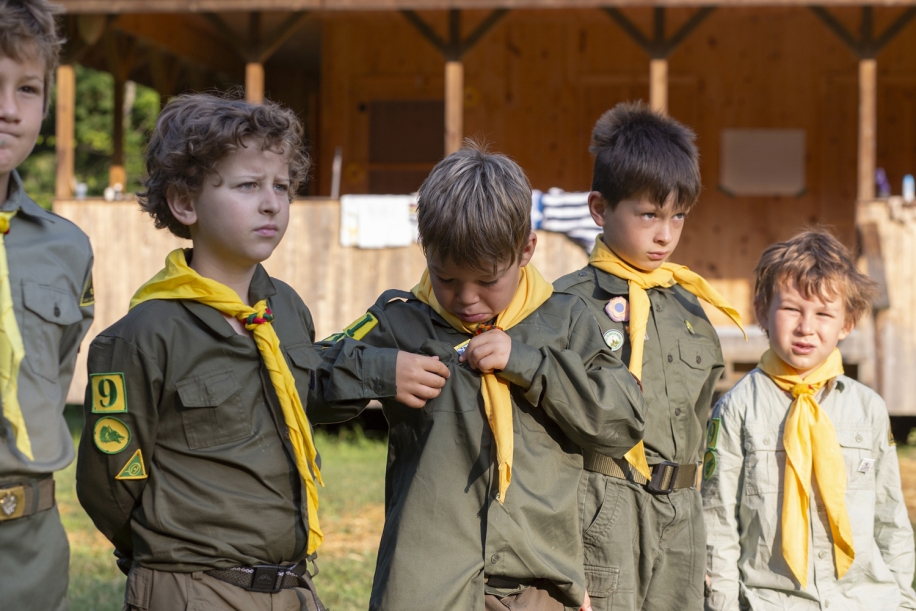
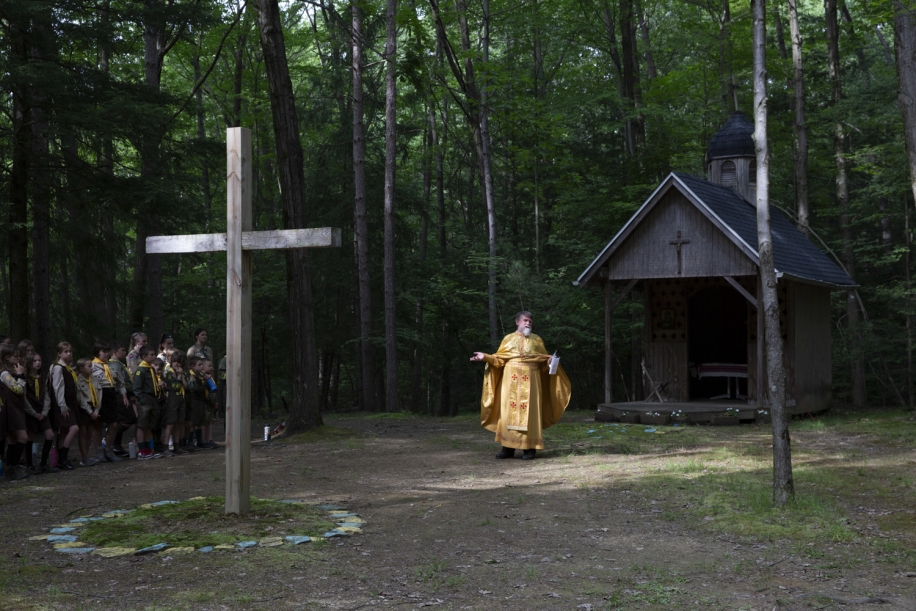
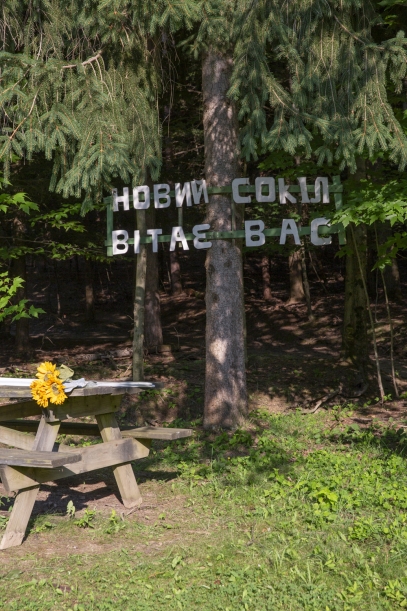
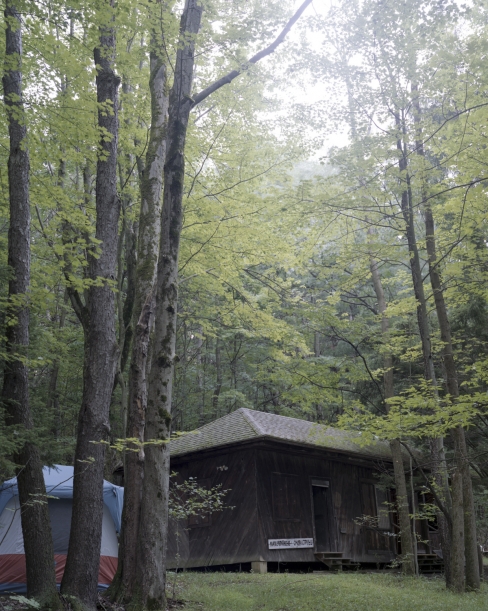
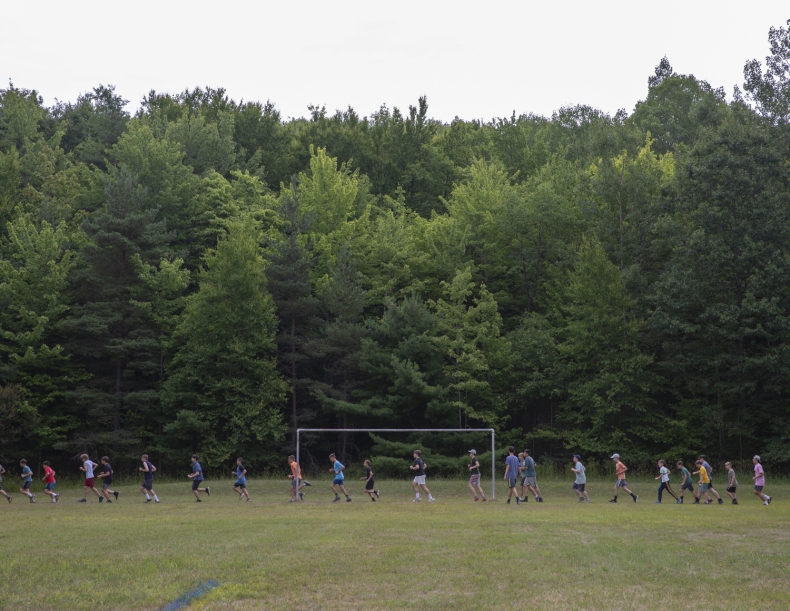
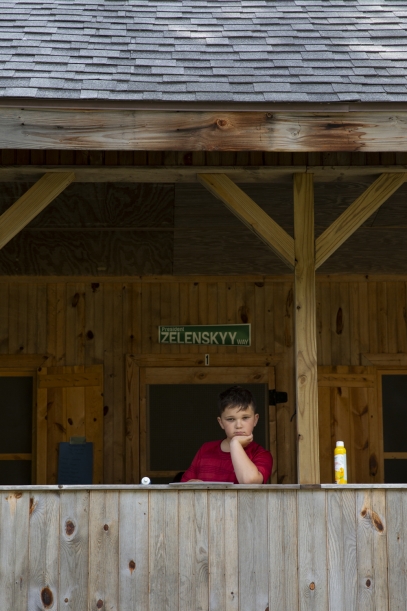
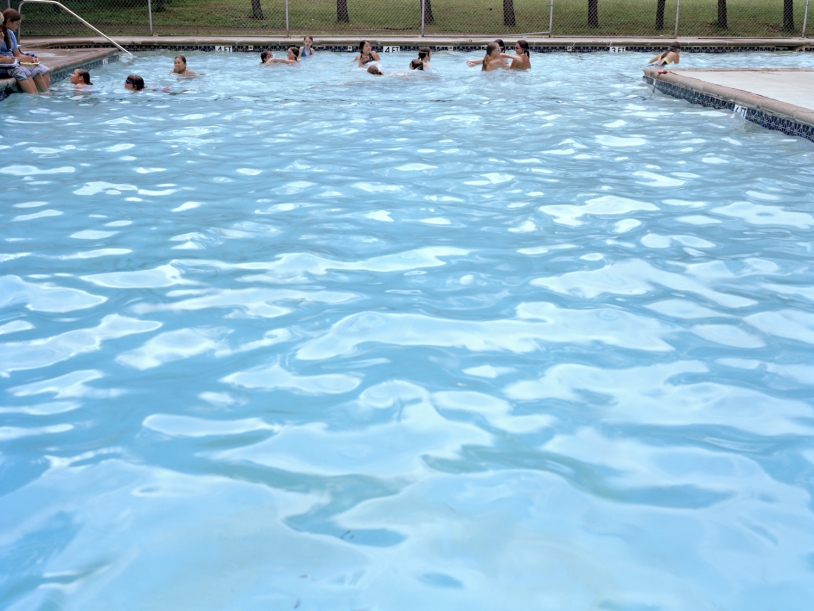
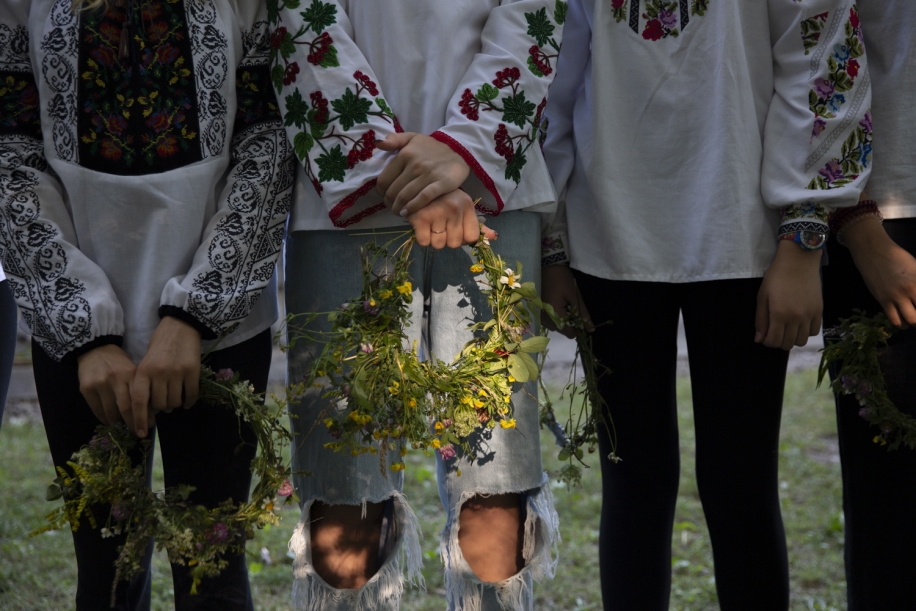
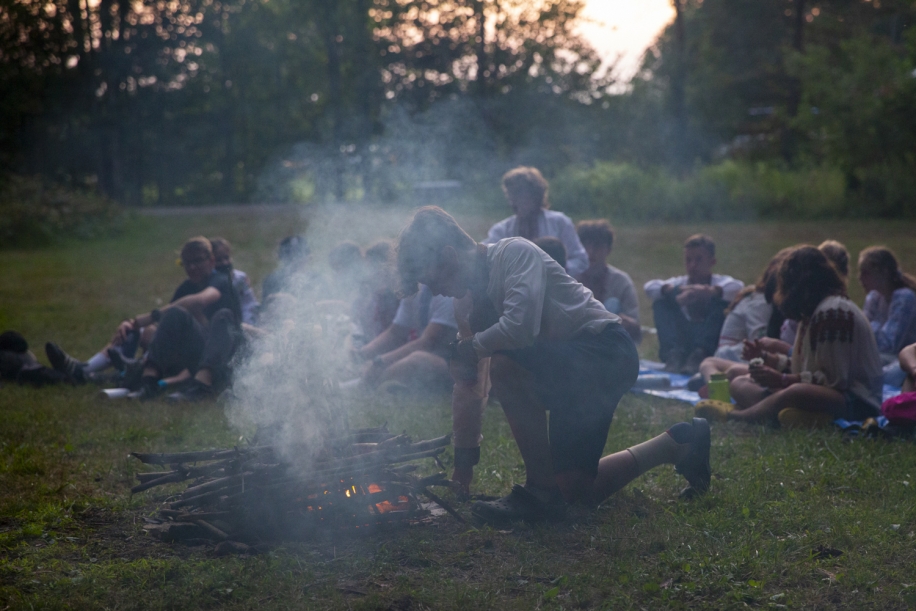
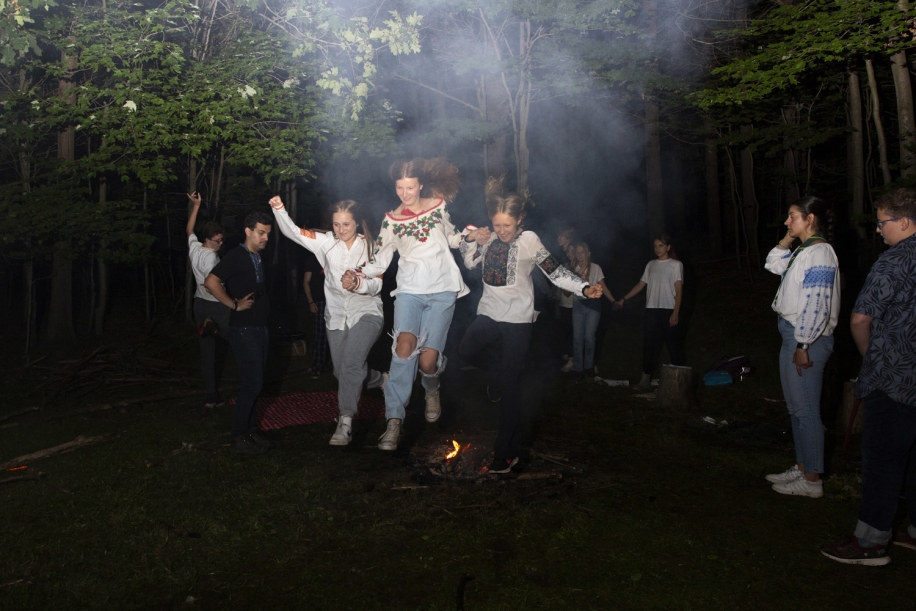
Secluded in western New York State since 1950 is Ukrainian summer camp called “Novyi Sokil.” Every July, campers and administrators gather on 84 woodsy acres for three weeks of immersion into Ukrainian scouting culture.
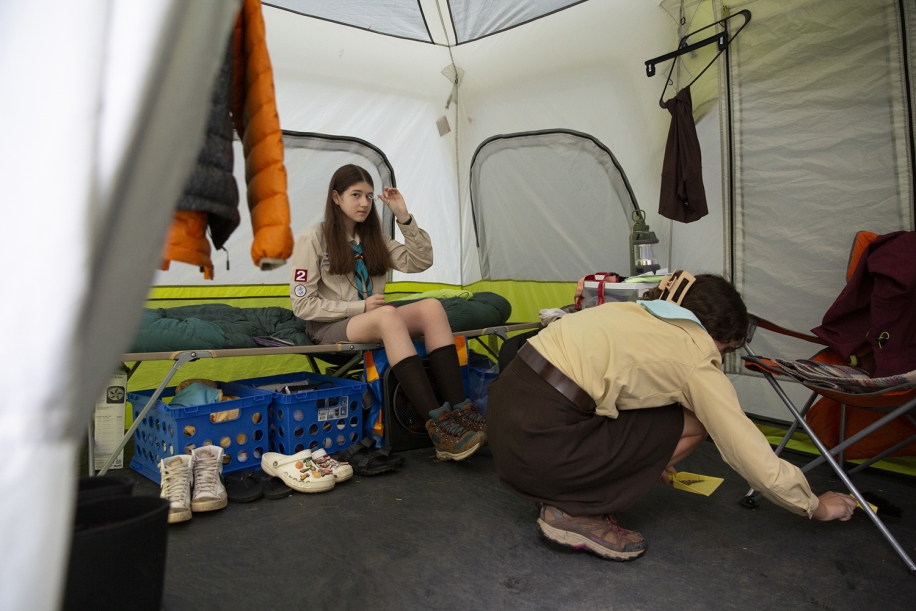
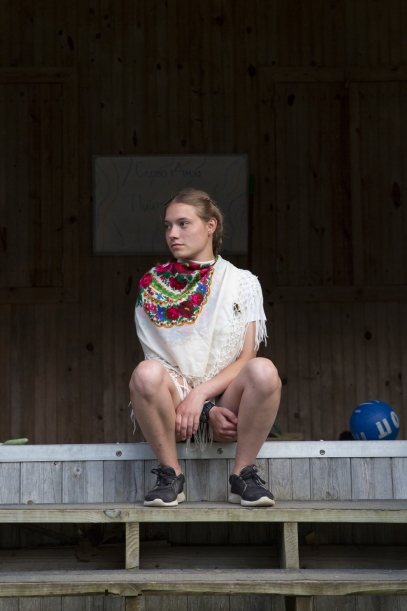
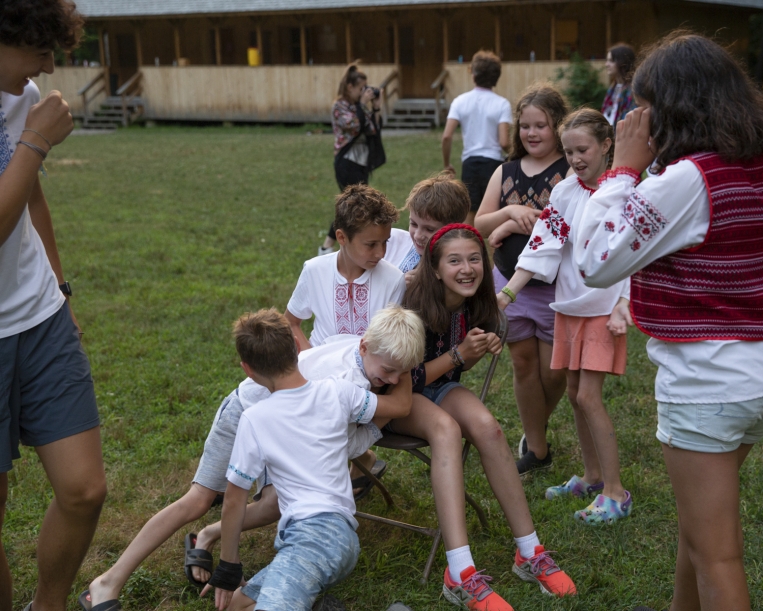
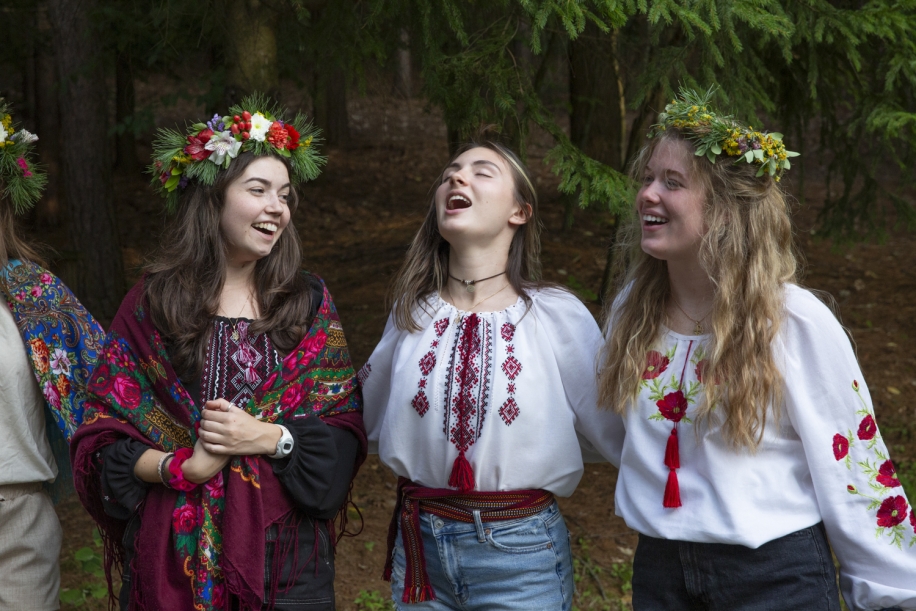
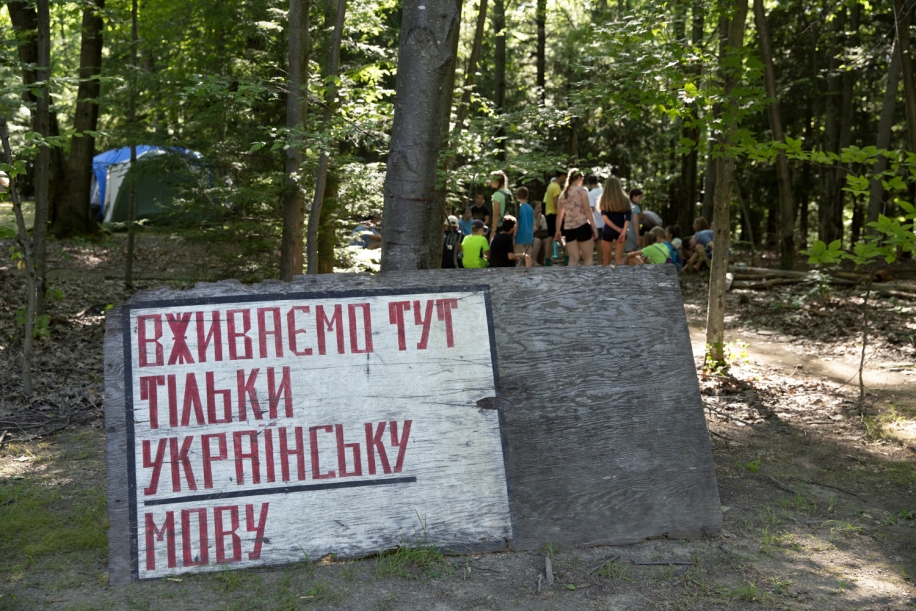
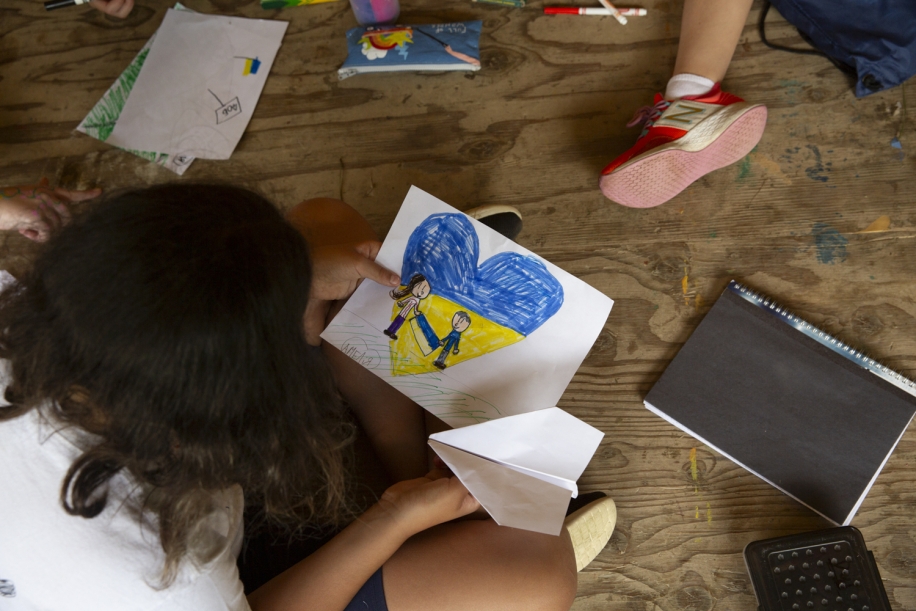
I imagine the land – purchased by Ukrainian refugees– as a theater set where a changing cast of characters, linked only by their heritage, leave their regular lives and become Ukrainian speaking scouts in American woods. They walk the paths and sing songs like their great grandparents. Their role is to leave a better Ukrainian.
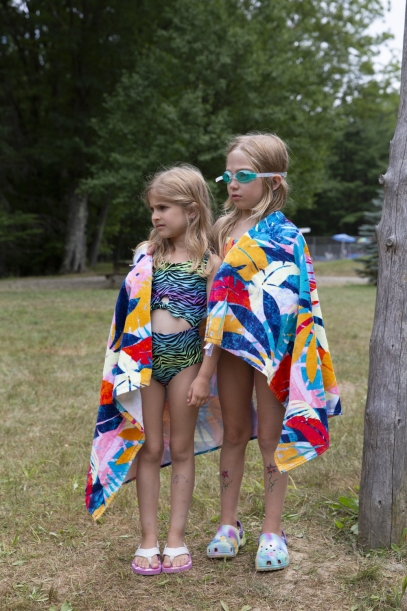
Having camped here in the 80s and 90s, my photographs are inspired by memories. Carrying cameras transforms me into an outsider straddling the line between documentary and narrative work. I am equally drawn to the spectacle of culture that is unknowingly performed by children and the fierce dedication the stewards of the camp have for this place. Being there is like existing within a time capsule brimming with the physical and emotional implications of community, belonging, preservation and the question of how this will continue to persist for future generations.
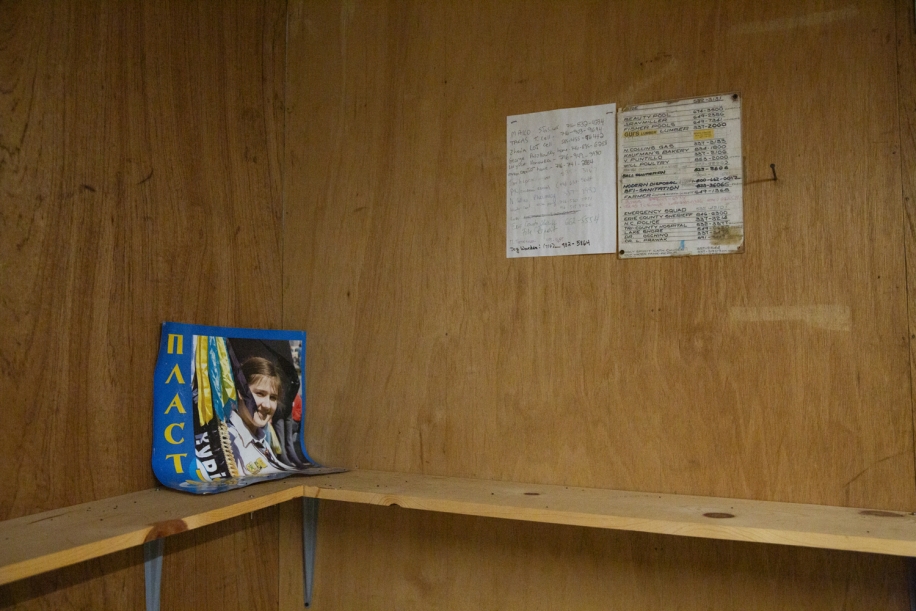
In 1912, the Ukrainian Scouting Organization, Plast, was officially formed in the occupied city of Lviv in Western Ukraine. Young boys, spurred by World War One and a newfound freedom, joined Plast and attempted to defend Ukraine against the Red Army. 1918 marked the start of decades of Russian and German occupation where Plast was banned, but continued to operate secretly and illegally. During this time the organization’s fundamental guide, Life in Plast, was written which outlined the laws, regulations, and codes that are still followed today. Plast regained popularity after World War Two, building camaraderie among women and in displaced persons camps as masses of Ukrainians, including my grandparents, re-settled internationally. Eventually, permanent diasporas were established, most of which promoted Plast as an active organization by holding weekly meetings and establishing summer camps.
Make Comment/View Comments