

Columbine Mine Massacre
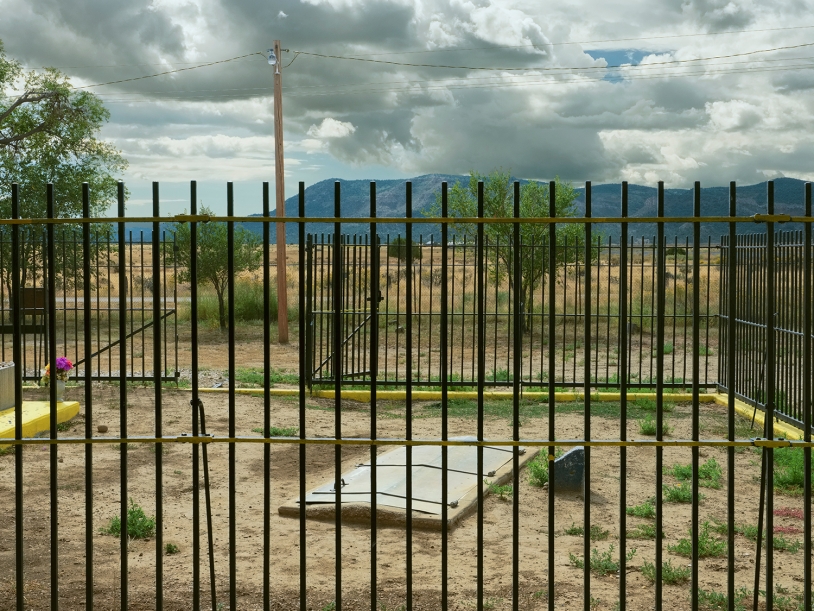
Serene, CO - November 21, 1927
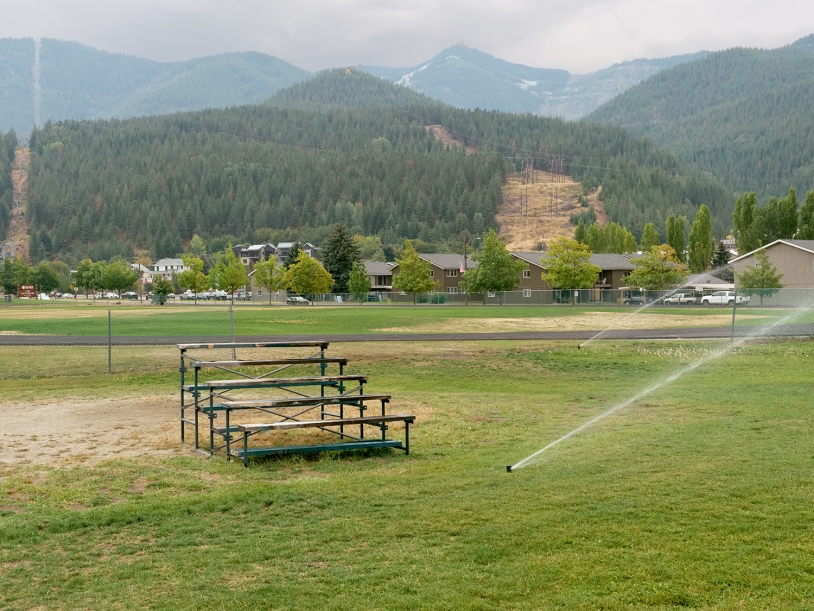
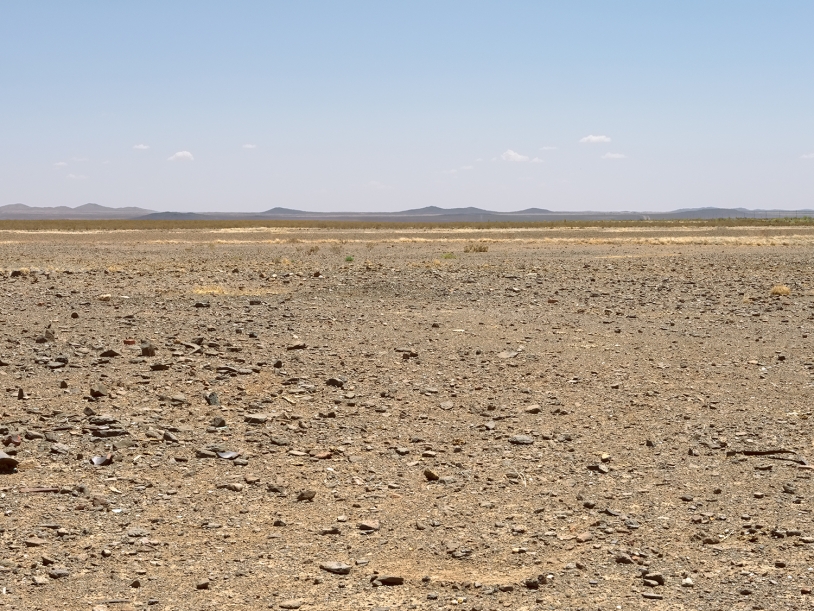
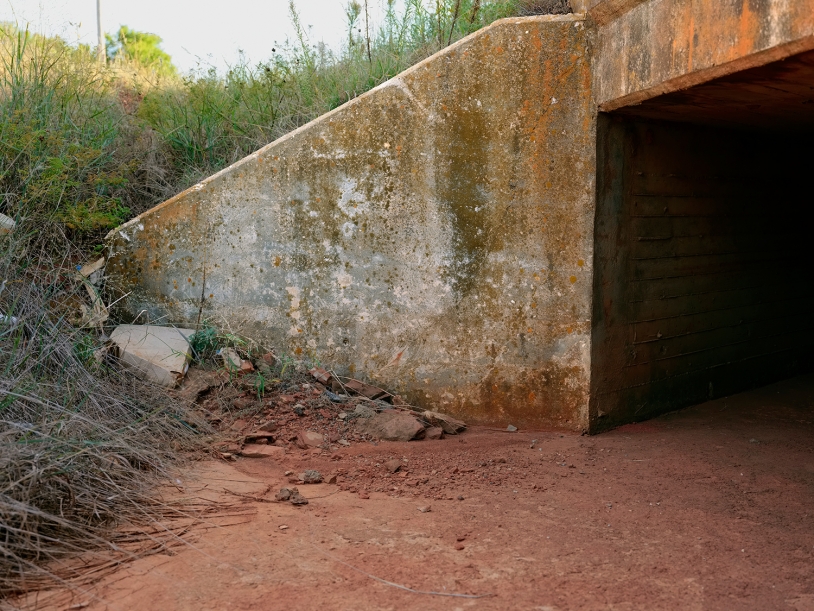
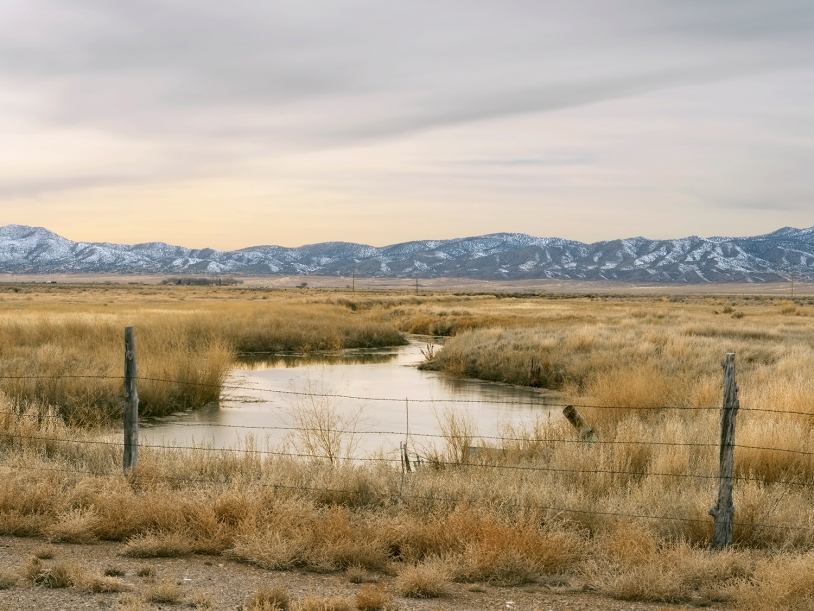
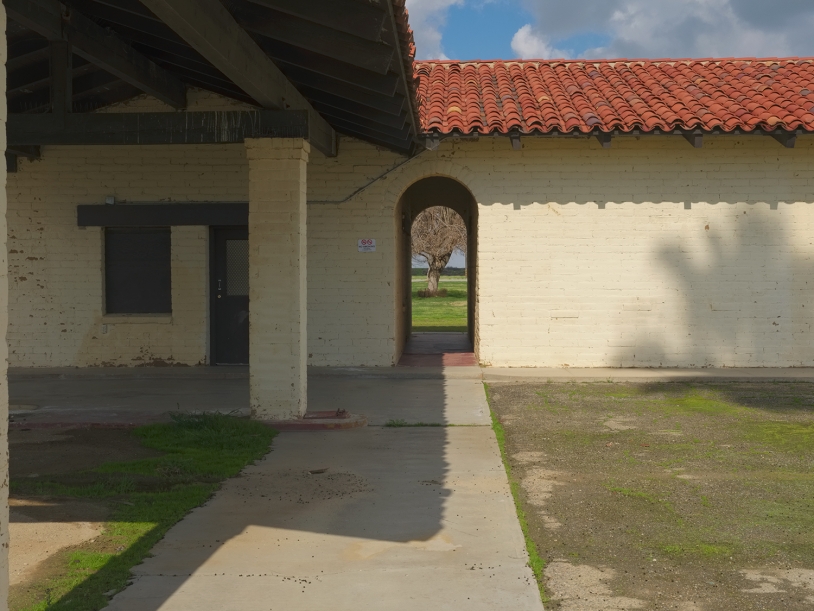
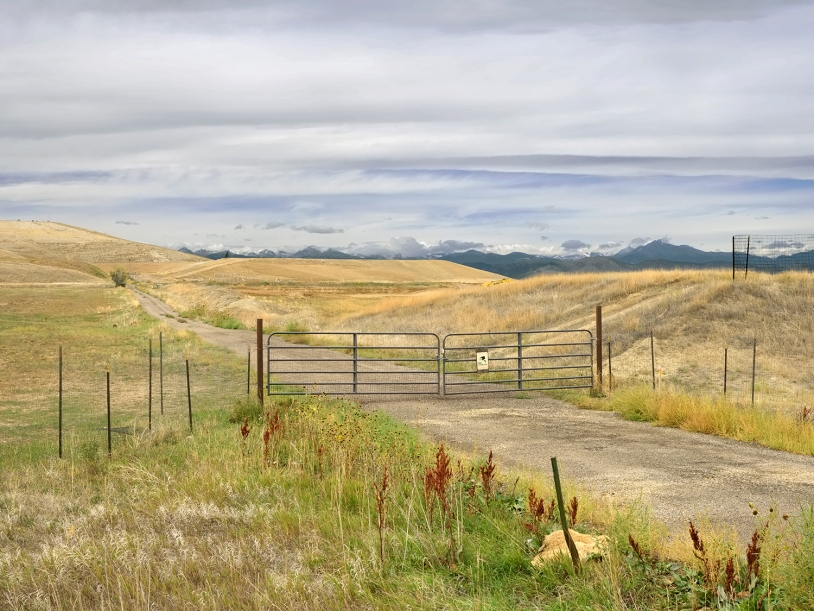
Seeking support for their strike, 500 unarmed miners marched to the fenced in mining company town of Serene, just north of Denver. They were met at the town gates by gunfire from mine guards and a volunteer state militia, killing six and wounding twenty-three.
Pictured: Location of the Columbine Mine company town where the massacre took place
Blood on the Streets
Photographer: Chuck Avery
Exhibit Title: Blood on the Streets
Location: United States
Since 2021 I have been traveling across the United States to over sixty sites where important events in the struggle for labor rights occured. I've photographed the landscapes at these sites, looking for clues to their past, often dark and violent. My photographs are paired with informational text about the events that occured at each site in order to raise awareness of the violent struggles that have been so instrumental in shaping our present day culture.
When my dad joined the Autoworkers union, life in my family of eight kids improved and a world of possibilities opened up. This project is dedicated to my dad and all those before him who fought for basic human rights in the workplace.
As grand attempts to rewrite vast swaths of American history for the benefit of the few are underway, it is more necessary than ever to focus on the truths of our past. I have chosen labor history for very personal reasons: I come from a large family that was lifted up when my father received his union card.
American labor history is marked by profound struggles for justice and fair treatment. This has often resulted in violence and bloodshed fomented by corporate interests in conjunction with their political allies. The facts of this struggle have been marginalized both in and out of the classroom and carry over to how this history is portrayed (or ignored) at the actual sites where those historical events occurred.
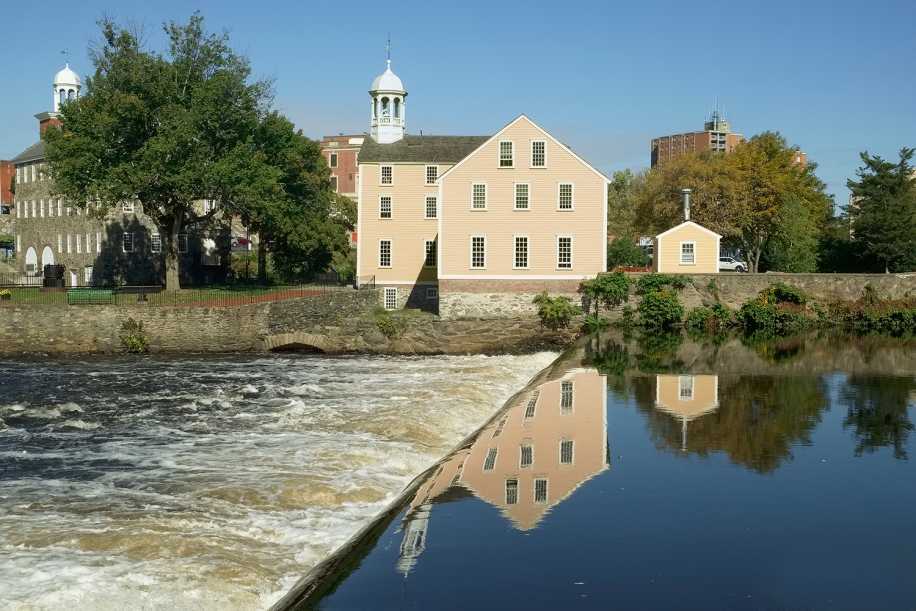
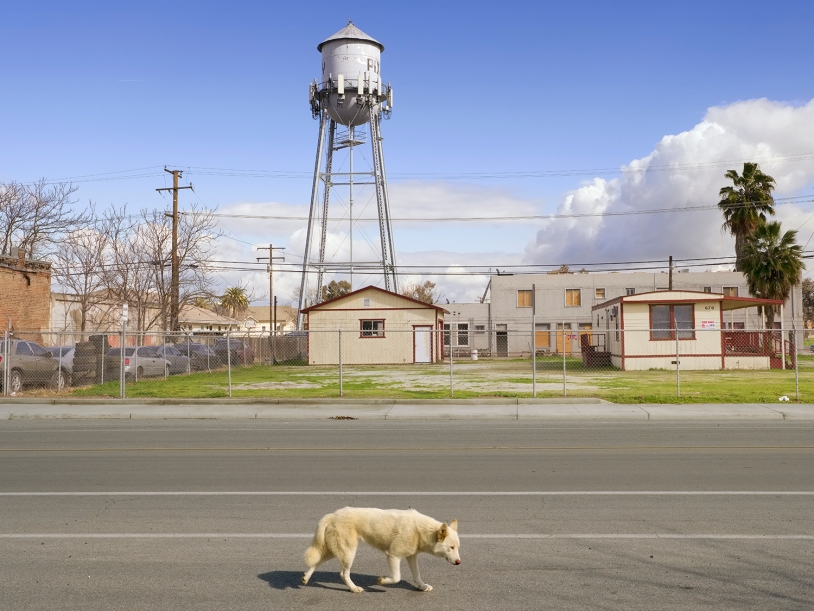
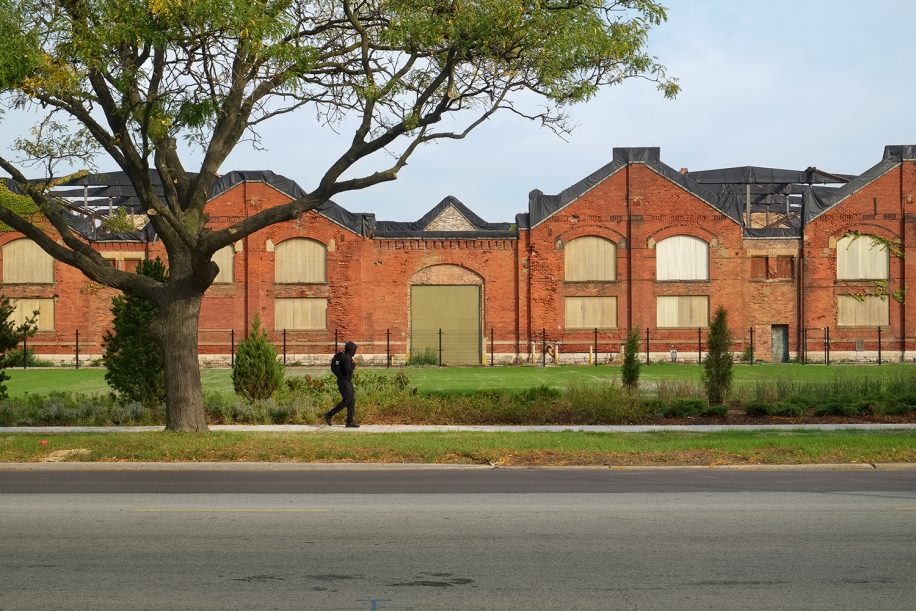
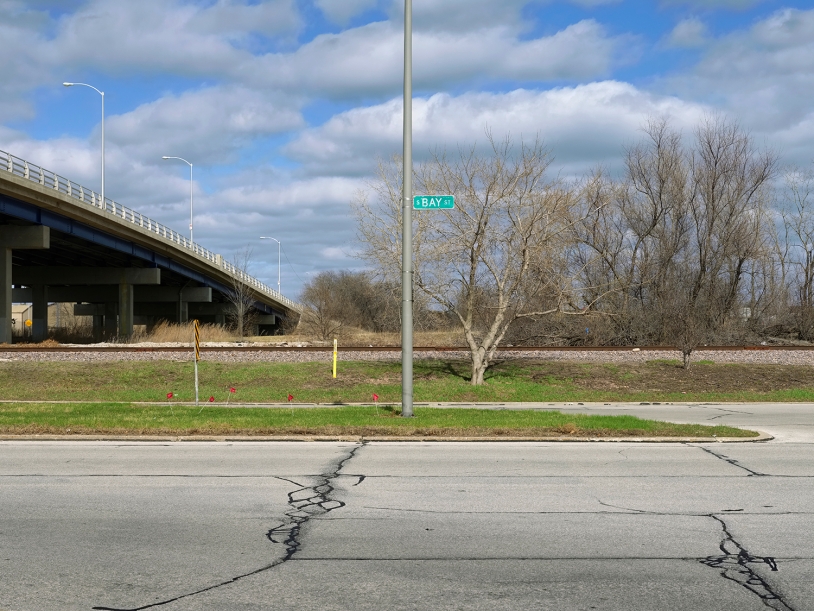
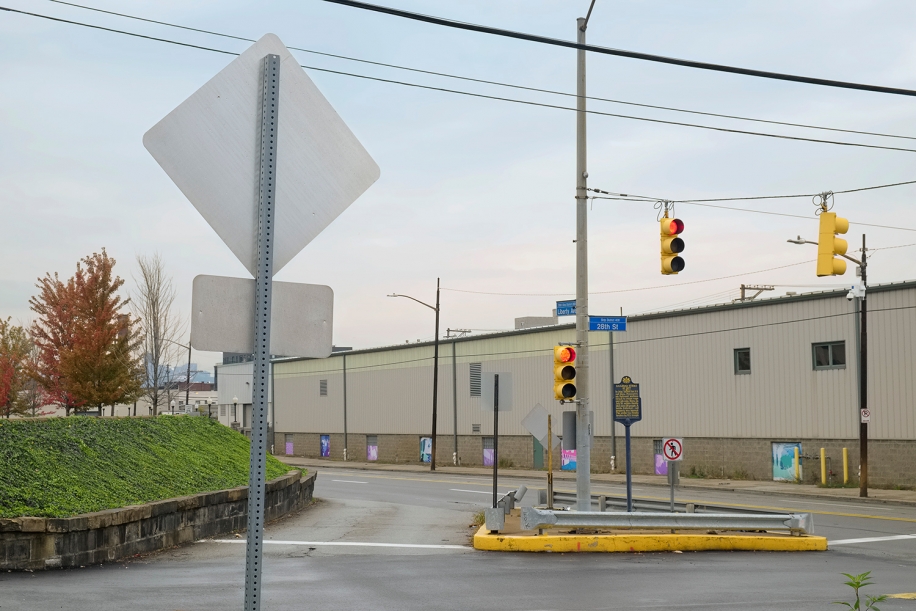
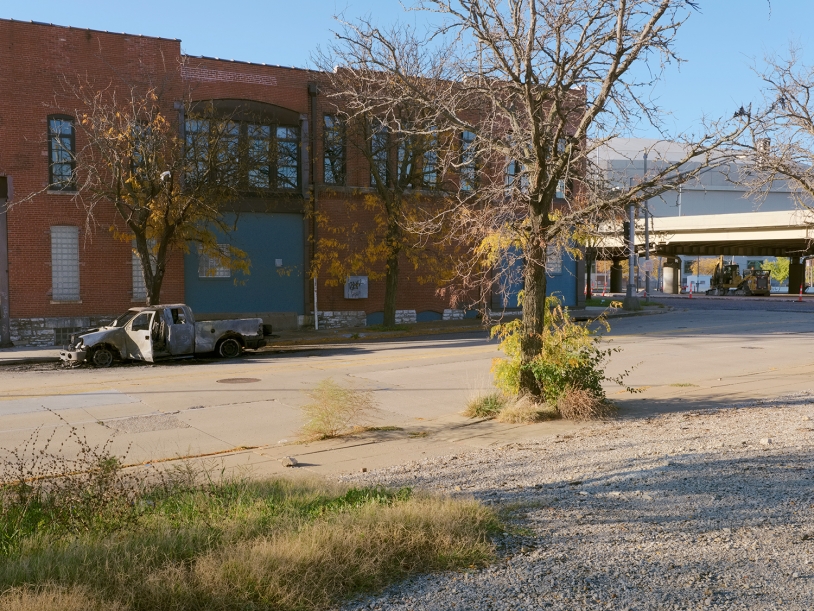
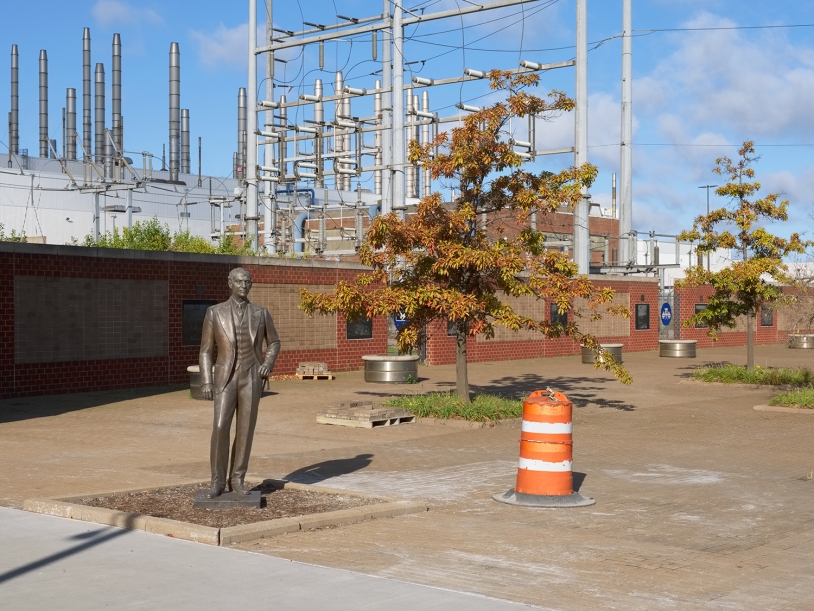
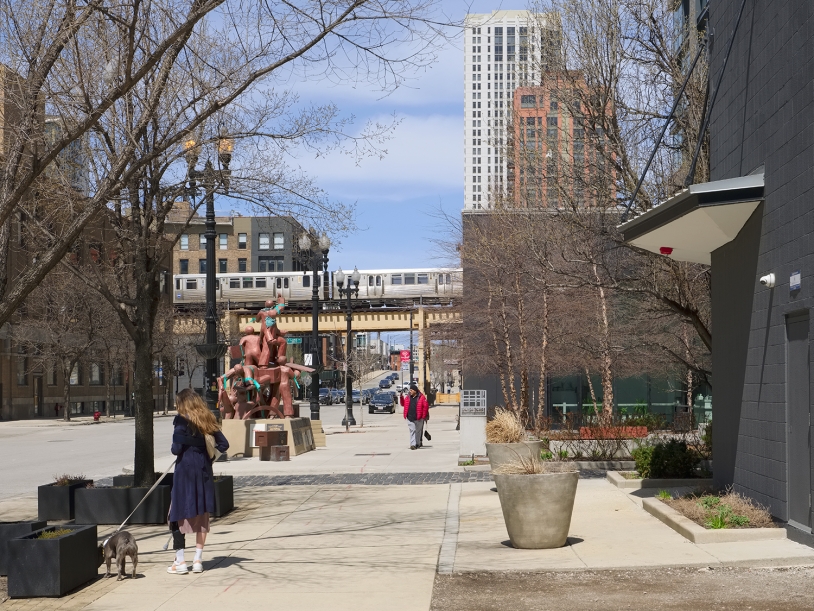
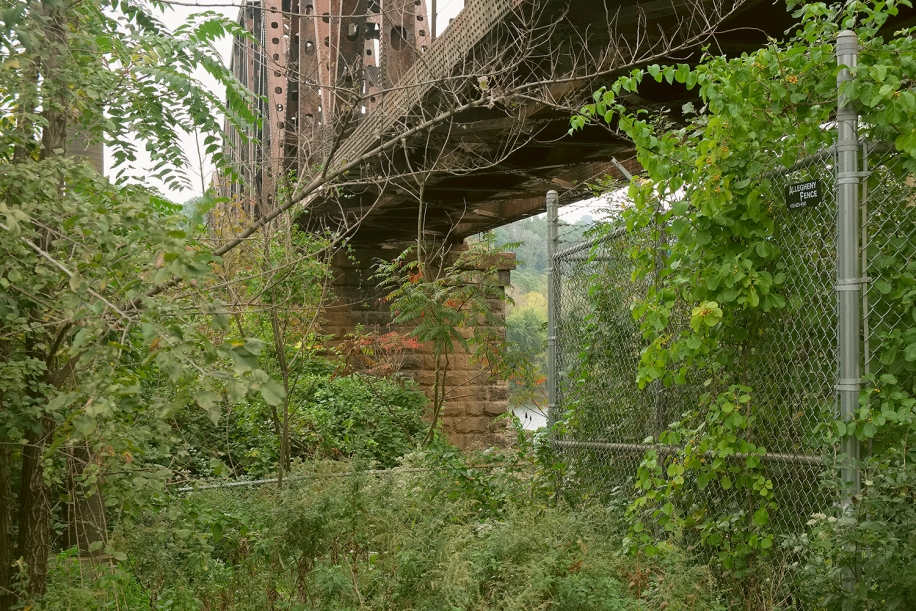
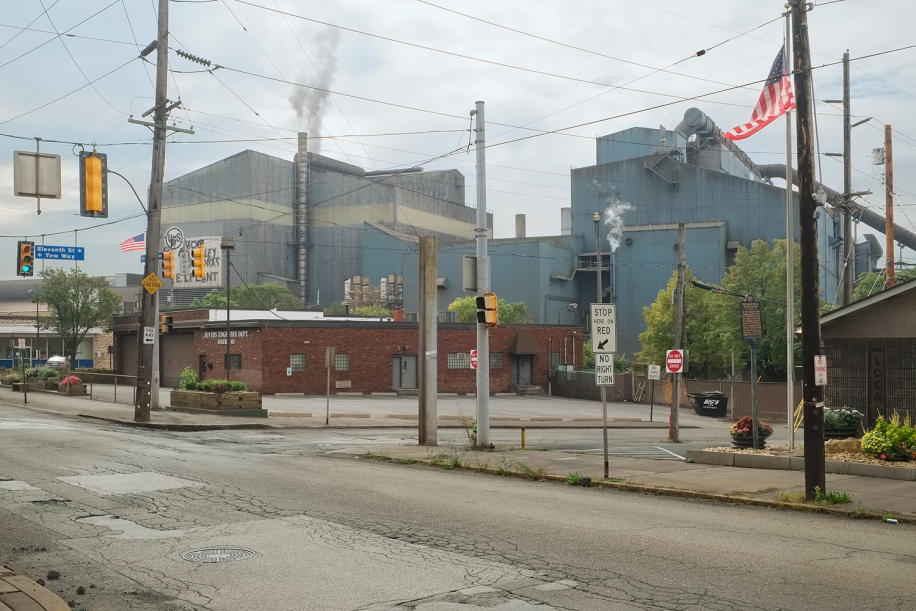
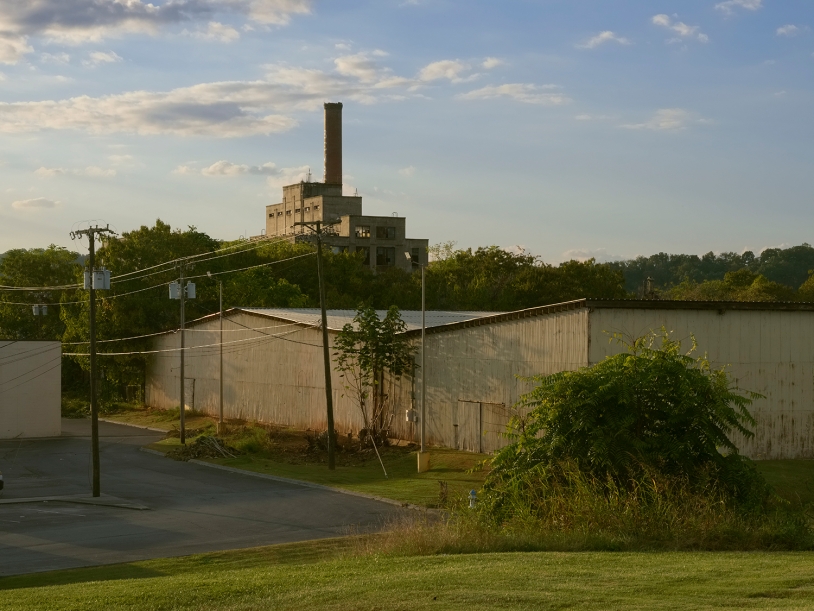
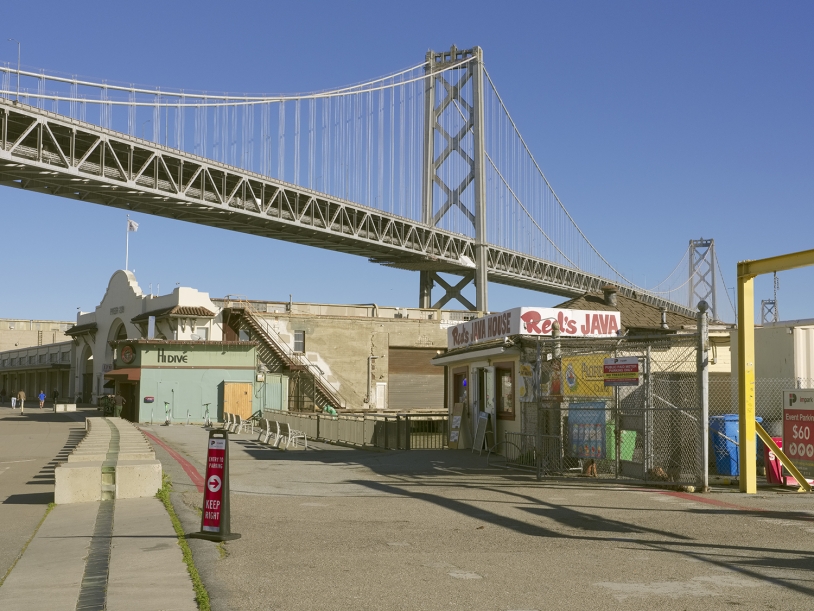
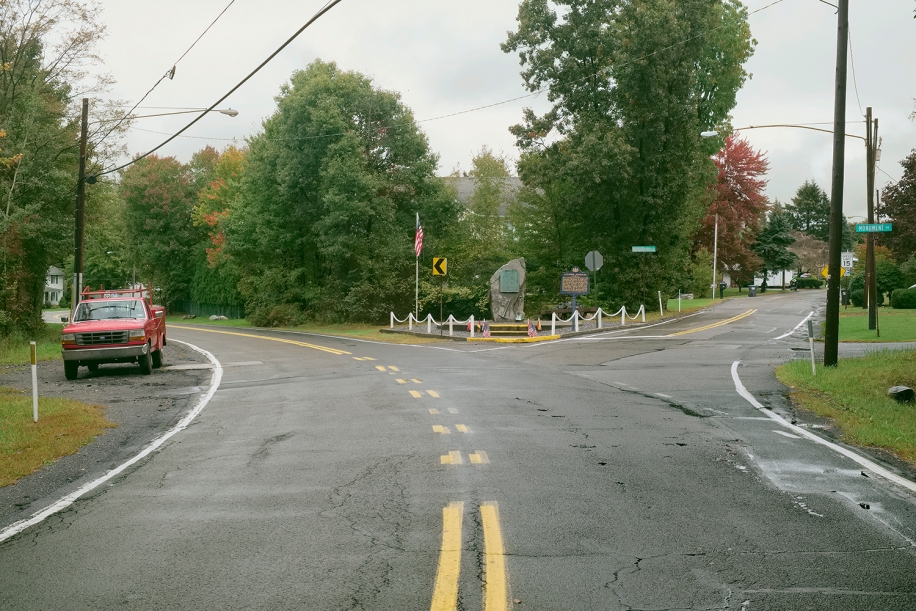
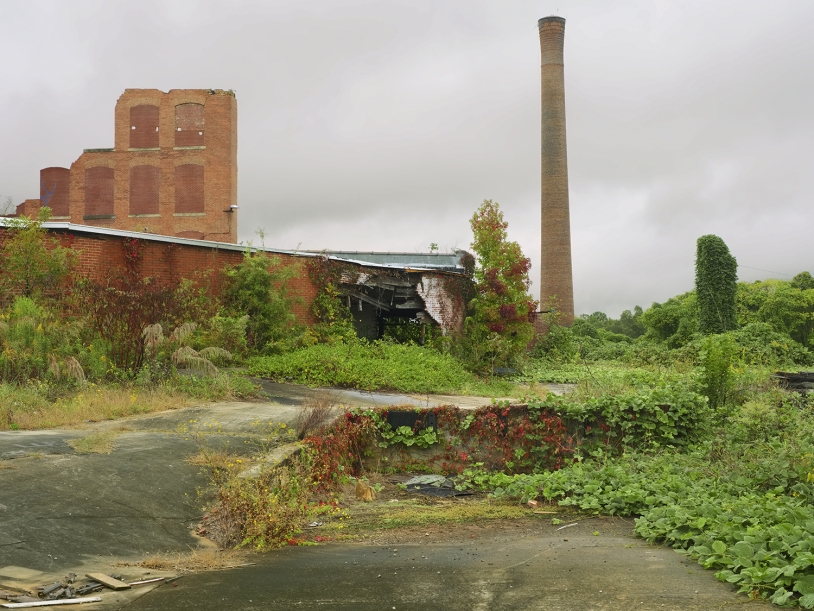
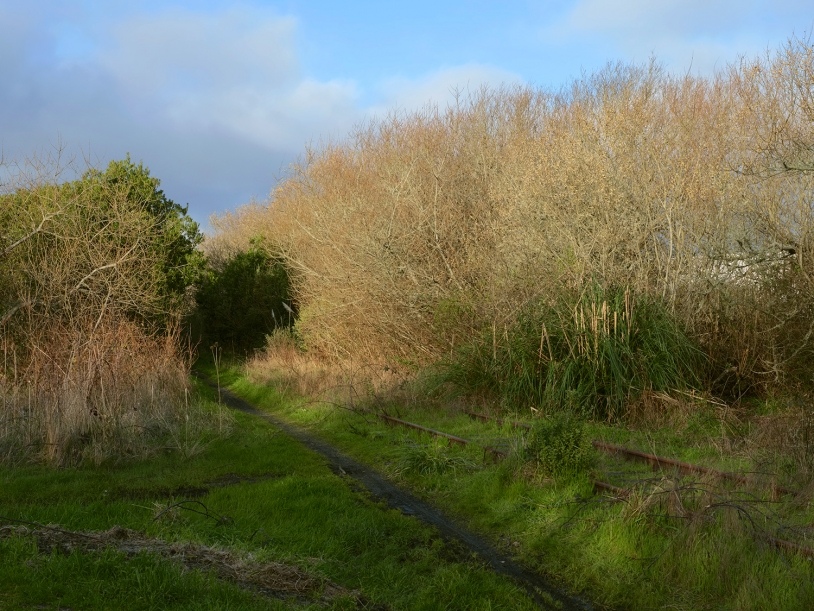
These images are part of a body of work I am developing that explores the landscapes at the sites where the labor movement experienced its defining moments. Is there acknowledgement of past events there? How does the contemporary landscape relate to that history? Some of the sites I have photographed are noted with small markers while others remain completely anonymous. The recognition is almost always slight - in Pittsburgh you can find a small historical marker in the middle of an intersection (if you look hard enough) noting the killing of over forty workers on strike against the railroads. Most often the landscape can't be bothered to deal with its past - a street in Milwaukee where unarmed strikers were shot dead by state militia gives no clue as to the events that transpired there in 1886. Often the most mundane landscapes will hold on tightly to the horrific events that unfolded on their grounds. The stories embedded in these landscapes delve deep into the ongoing struggle of capital versus labor that continue to define our society and influence how our lives play out today. History is a recurring pattern, and the history of labor in this country is no exception.
cwaii@comcast.net
www.chuckaveryphoto
@chuckavery
Make Comment/View Comments