
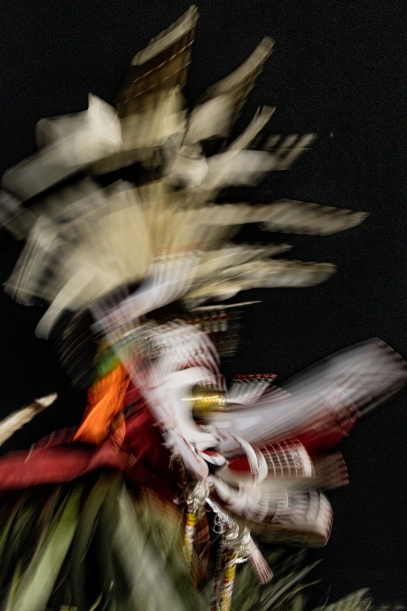

The Spirit.
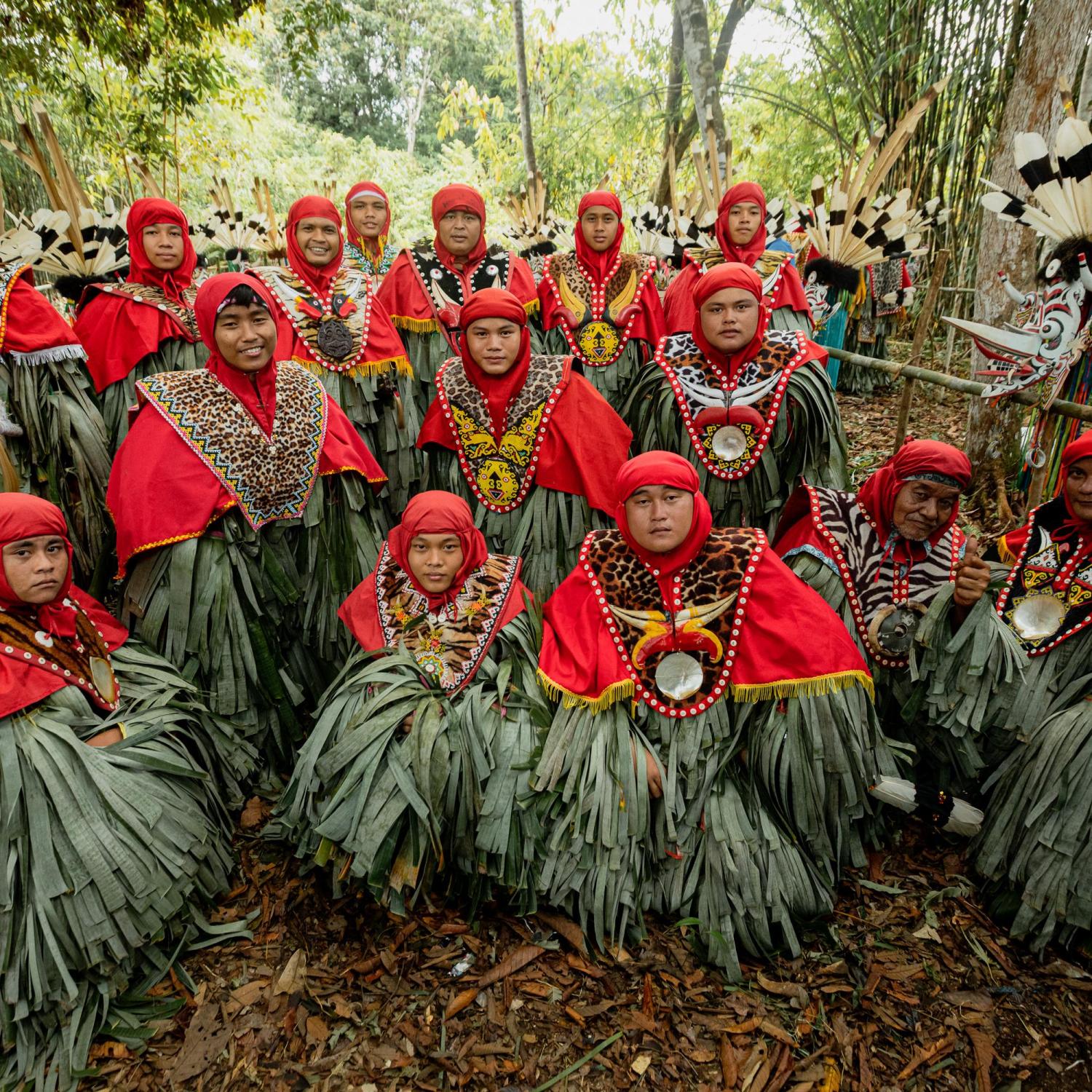
Traditionally, Dayak groups like the Bahau and Modang believe Hudoqs represent thirteen crop-destroying pests (such as boars, rats, and crows) that are ritually chased away at the end of the dance by two human-masked figures to restore order. The Hudoq dancers are believed to act as mediums of communication between humans and the guardian spirits of nature.
Mahakam Ulu regency, East Kalimantan, Indonesia
Hudoq Ritual: The Dayak Bridge Between Worlds
Denys Kutsevalov | East Kalimantan, Indonesia
Photographer: Denys Kutsevalov
Exhibit Title: Hudoq Ritual: The Dayak Bridge Between Worlds
Location: East Kalimantan, Indonesia
The Hudoq is a sacred harvest thanksgiving and planting ceremony celebrated by various Dayak sub-tribes, primarily in East Kalimantan, Indonesia. Hudoq means “spirit mask” in the Dayak language. Originating from the Mahakam Ulu Regency, the ritual is a deep-rooted spiritual and cultural tradition used to invoke blessings from ancestors and gods for prosperous crops and the warding off of pests. The Hudoq Festival is not only a religious ritual but also a proud expression of Dayak identity and heritage. It symbolizes the deep bond between humans, nature, and ancestral spirits.
I’ve been living in Southeast Asia for and documenting stories around the region for 10 years. I started as a travel photographer but witnessing the destruction of nature around Borneo shifted my focus to long-term project of exploring the connection between people, cultures, and the environment. In my work I ask a question: does a strong sense of cultural belonging translate into care for nature?
Email: kucevalov@gmail.com
Whatsapp: +6588923697
https://nomads.wtf/

Make Comment/View Comments