
Vanishing Nation (2010)
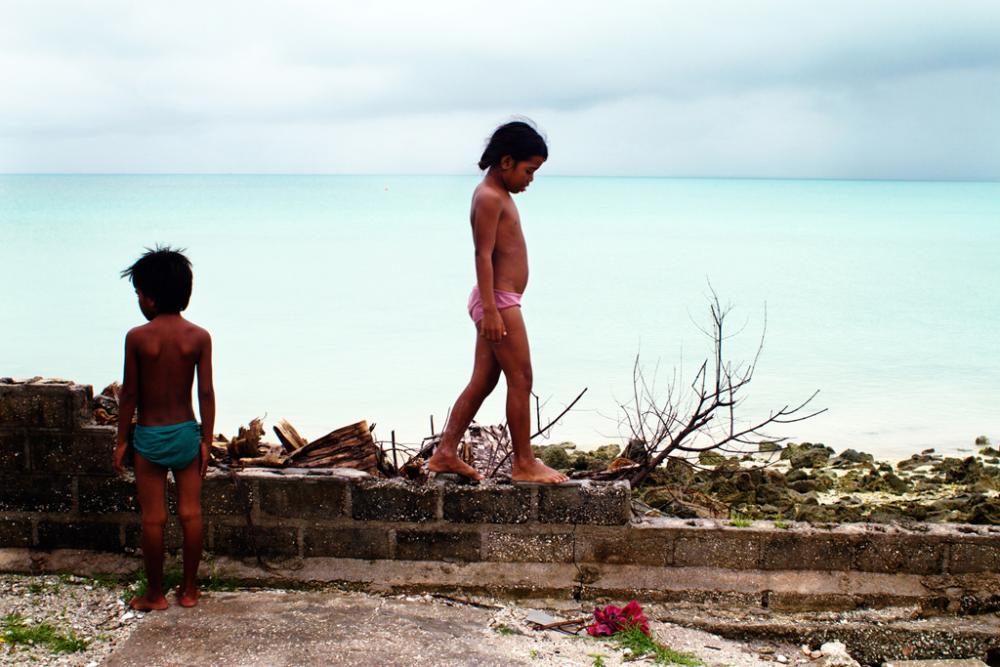
sland nations in the South Pacific stand at the front lines of the current environmental crisis. The island residents are vulnerable to more extreme weather patterns, such as typhoons, flooding, and drought. Once isolated societies are now trying to figure out how to adapt to the new problem of climate change while continuing to grapple with globalization, both of which are transforming the way of life and culture across the region. My project is about documenting this transitional period in the South Pacific and the effects these changes are having on its communities.
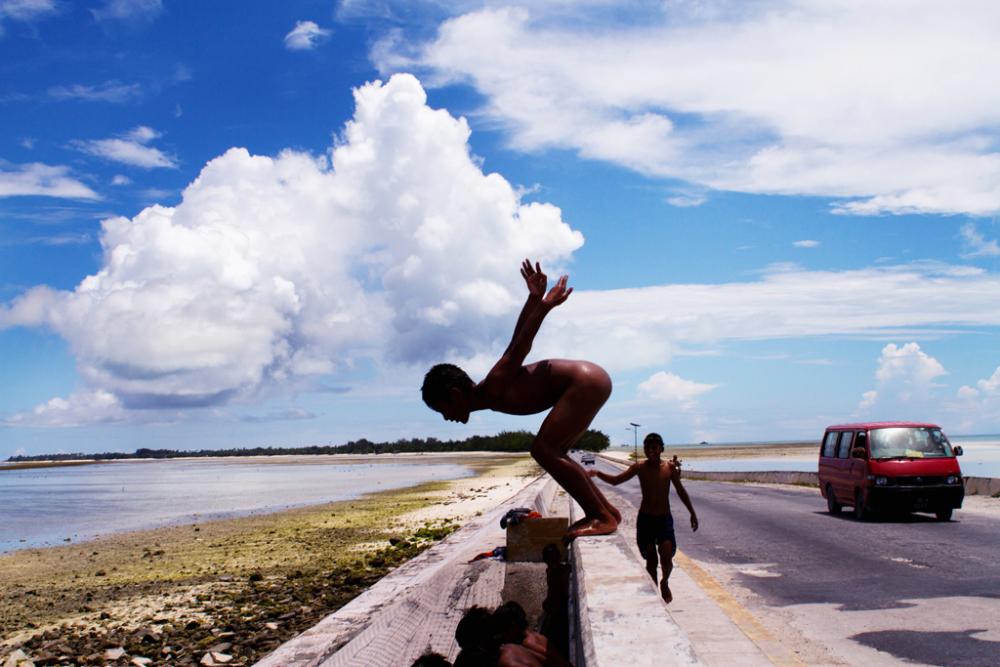
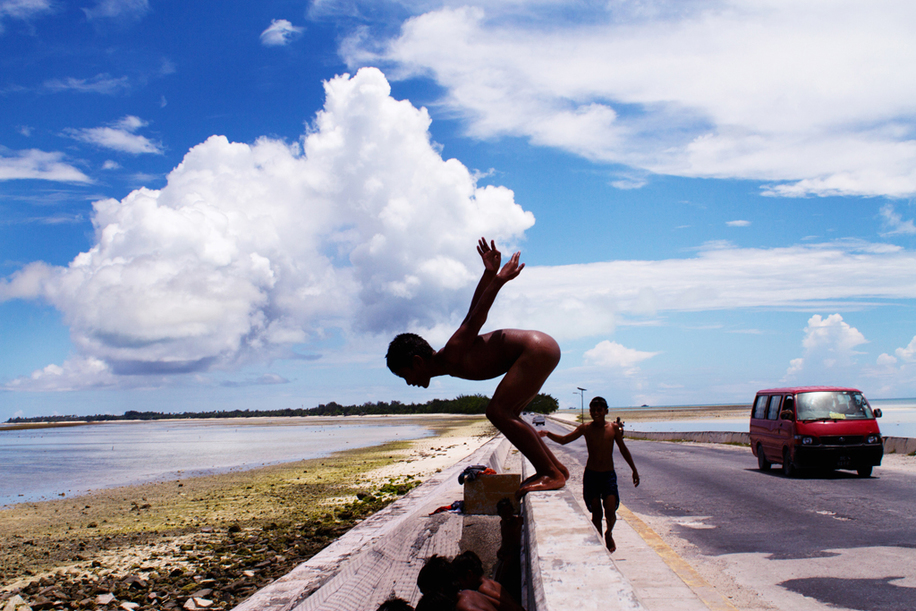
Boy jumping in the water from the causeway that separates the lagoon from the ocean on the island of Tarawa.
Make Comment/View Comments
Additional Credits
Video
Photographer Statement
After studying photography in my native Sweden I moved to New York to attend the International Center of Photography. I now specialize in portraiture and reportage photography. My photographs have been published in several major Newspapers and Magazines in Norway, Sweden, England, US, France and Switzerland. My photographic work in the past has had the common denominator of displacement, and has included subjects such as the slowly sinking islands of Kiribati, the underage workers in Ethiopia, and the war torn lives of women in Sri Lanka. Although the causes of displacement and migration may vary, I am interested in the larger picture and the human experience of migration.
License
To license this work for editorial, creative, or other uses, click on the OZMO logo above.
This will take you to the Ozmo website retro toys where you can review the cost and license for the photographs in this exhibit.
You will need to create an account with both Amazon payments and with the Ozmo website as described on the Ozmo website.
Tags
Content loading...
Resources
Affiliated NGO
Global Fund For Children
Edeyo Foundation
Contact Photographer
Malin Fezehai
Email: malinfezehai@me.com
Cell: +347 681 7657
Stats
After studying photography in my native Sweden I moved to New York to attend the International Center of Photography. I now specialize in portraiture and reportage photography. My photographs have been published in several major Newspapers and Magazines in Norway, Sweden, England, US, France and Switzerland. My photographic work in the past has had the common denominator of displacement, and has included subjects such as the slowly sinking islands of Kiribati, the underage workers in Ethiopia, and the war torn lives of women in Sri Lanka. Although the causes of displacement and migration may vary, I am interested in the larger picture and the human experience of migration.
Global Fund For Children
Edeyo Foundation
Malin Fezehai
Email: malinfezehai@me.com
Cell: +347 681 7657
Content loading...
Make Comment/View Comments

Vanishing Nation (2010) sland nations in the South Pacific stand at the front lines of the current environmental crisis. The island residents are vulnerable to more extreme weather patterns, such as typhoons, flooding, and drought. Once isolated societies are now trying to figure out how to adapt to the new problem of climate change while continuing to grapple with globalization, both of which are transforming the way of life and culture across the region. My project is about documenting this transitional period in the South Pacific and the effects these changes are having on its communities. Boy jumping in the water from the causeway that separates the lagoon from the ocean on the island of Tarawa.

Vanishing Nation (2010) sland nations in the South Pacific stand at the front lines of the current environmental crisis. The island residents are vulnerable to more extreme weather patterns, such as typhoons, flooding, and drought. Once isolated societies are now trying to figure out how to adapt to the new problem of climate change while continuing to grapple with globalization, both of which are transforming the way of life and culture across the region. My project is about documenting this transitional period in the South Pacific and the effects these changes are having on its communities. View of the island of Abaiang, one of 33 low lying islands of Kiribati. The average height above sea level for the island is less than 3 meters.

Vanishing Nation (2010) sland nations in the South Pacific stand at the front lines of the current environmental crisis. The island residents are vulnerable to more extreme weather patterns, such as typhoons, flooding, and drought. Once isolated societies are now trying to figure out how to adapt to the new problem of climate change while continuing to grapple with globalization, both of which are transforming the way of life and culture across the region. My project is about documenting this transitional period in the South Pacific and the effects these changes are having on its communities. In the village of Eita there used to be a sea wall constructed to protect the village. It has now been destroyed by rising tides and is threatening homes on the island of Tarawa.

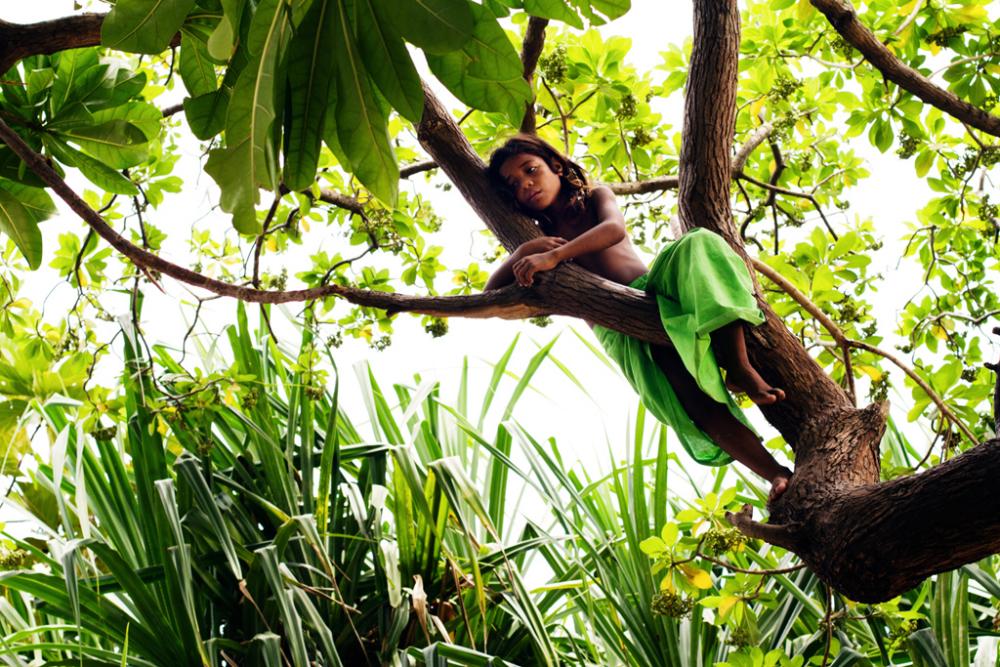
Vanishing Nation (2010) sland nations in the South Pacific stand at the front lines of the current environmental crisis. The island residents are vulnerable to more extreme weather patterns, such as typhoons, flooding, and drought. Once isolated societies are now trying to figure out how to adapt to the new problem of climate change while continuing to grapple with globalization, both of which are transforming the way of life and culture across the region. My project is about documenting this transitional period in the South Pacific and the effects these changes are having on its communities. A little girl playing in a tree on the island of Tarawa.

Vanishing Nation (2010) sland nations in the South Pacific stand at the front lines of the current environmental crisis. The island residents are vulnerable to more extreme weather patterns, such as typhoons, flooding, and drought. Once isolated societies are now trying to figure out how to adapt to the new problem of climate change while continuing to grapple with globalization, both of which are transforming the way of life and culture across the region. My project is about documenting this transitional period in the South Pacific and the effects these changes are having on its communities. Island of Abaiang. Fallen coconut trees because of rising seas and lands erosion.

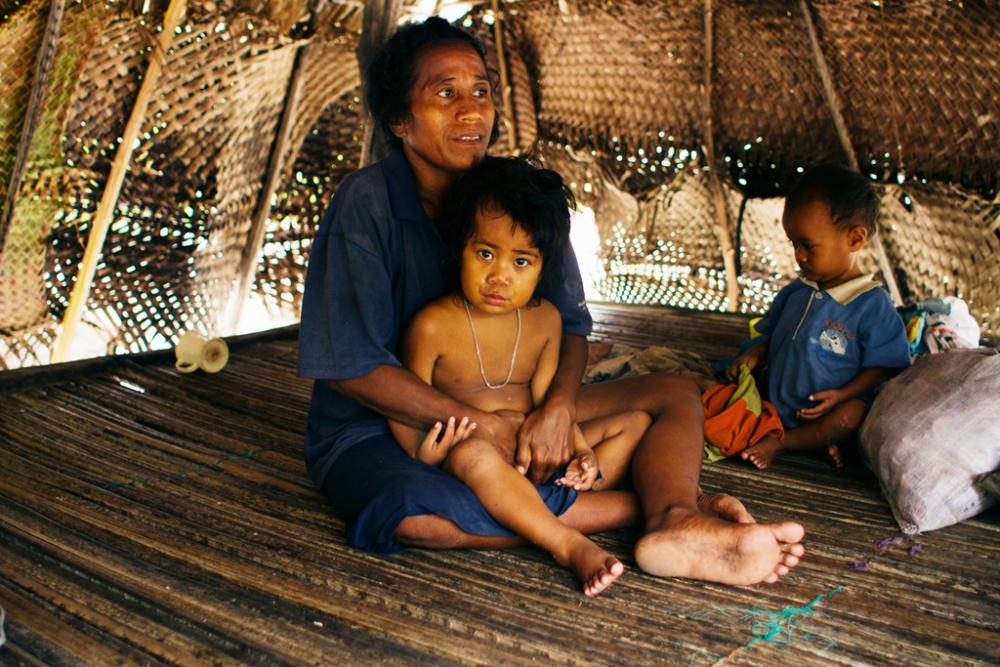
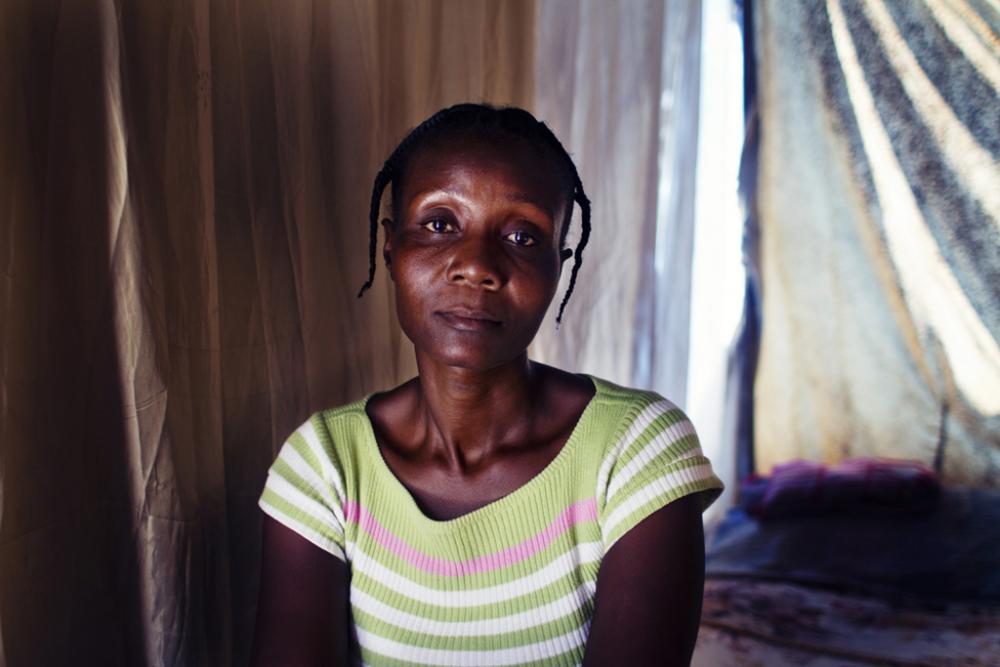
Vanishing Nation (2010) sland nations in the South Pacific stand at the front lines of the current environmental crisis. The island residents are vulnerable to more extreme weather patterns, such as typhoons, flooding, and drought. Once isolated societies are now trying to figure out how to adapt to the new problem of climate change while continuing to grapple with globalization, both of which are transforming the way of life and culture across the region. My project is about documenting this transitional period in the South Pacific and the effects these changes are having on its communities. Karekeata Bikeieta is 32 years old, and a mother of nine. She has been living in the village of Tebunginako for two years. Her family’s house was destroyed in a flood, but they rebuilt it and just elevated it even higher than before hoping that will be enough of a protection. She says that she doesn’t want to relocate because she likes the area.

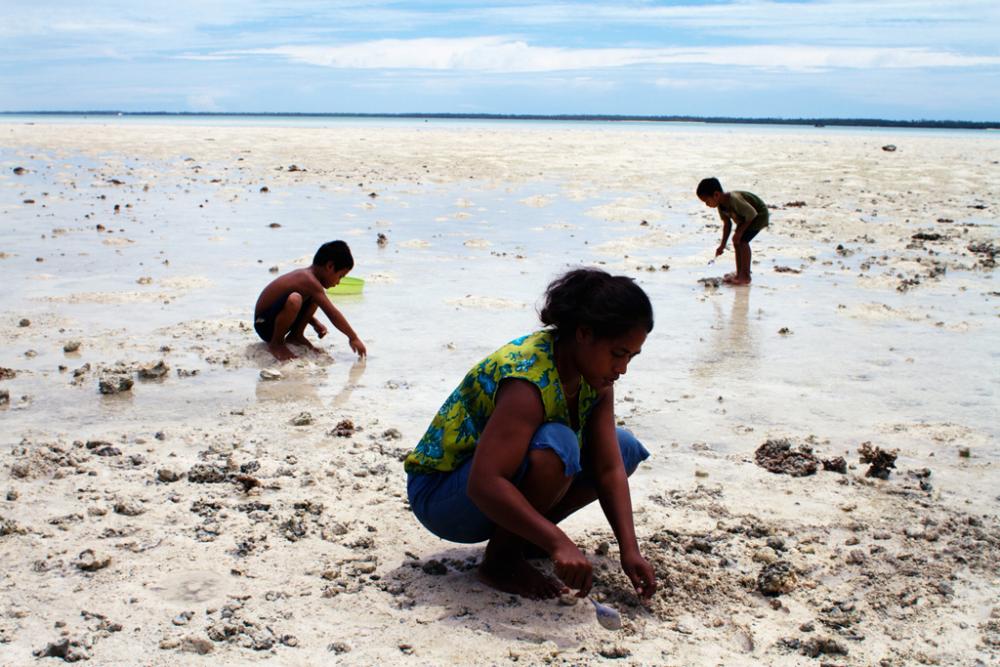
Vanishing Nation (2010) sland nations in the South Pacific stand at the front lines of the current environmental crisis. The island residents are vulnerable to more extreme weather patterns, such as typhoons, flooding, and drought. Once isolated societies are now trying to figure out how to adapt to the new problem of climate change while continuing to grapple with globalization, both of which are transforming the way of life and culture across the region. My project is about documenting this transitional period in the South Pacific and the effects these changes are having on its communities. Island of Tarawa. Miriam, 26 years old and mother of three picking clams with her children. Her husband is a sailor and is away from home a lot. She decided not to have anymore children because “I want to be able to feed my children”.

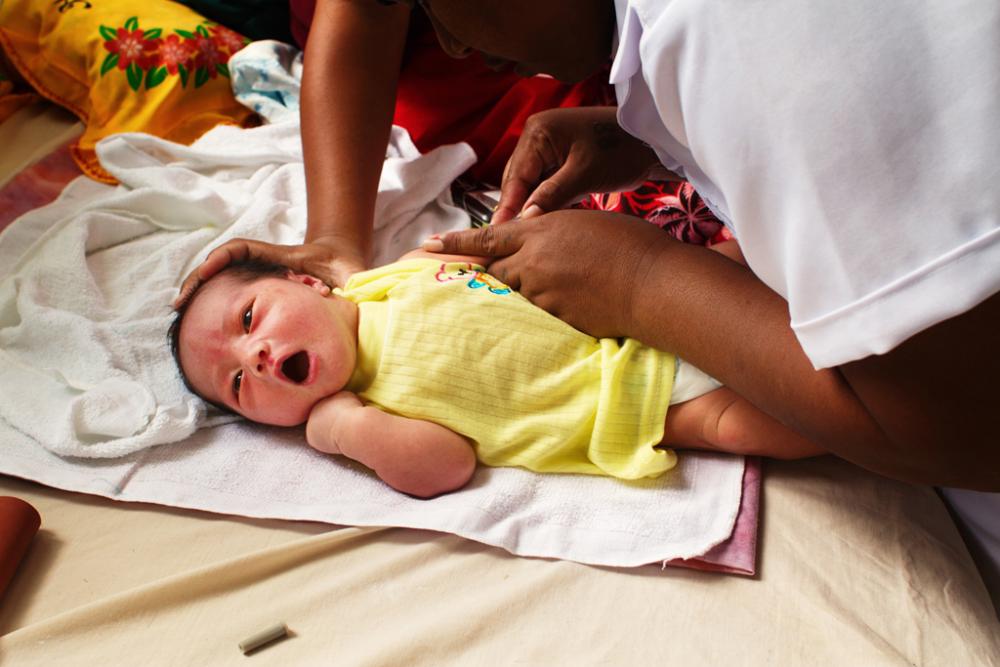
Vanishing Nation (2010) sland nations in the South Pacific stand at the front lines of the current environmental crisis. The island residents are vulnerable to more extreme weather patterns, such as typhoons, flooding, and drought. Once isolated societies are now trying to figure out how to adapt to the new problem of climate change while continuing to grapple with globalization, both of which are transforming the way of life and culture across the region. My project is about documenting this transitional period in the South Pacific and the effects these changes are having on its communities. Newborn baby boy in the maternity ward in Tarawa. He is the forth child in his is family and the father said that he wanted to stop at two but his wife wanted more. The combination of high population growth and a lack of employment on the outer islands is causing the population to drift to Tarawa, the capital and main seat of government. About 43.5 per cent of the population lives on South Tarawa and the population density is high. The population of Kiribati is expected to double over the next 20 years.

Vanishing Nation (2010) sland nations in the South Pacific stand at the front lines of the current environmental crisis. The island residents are vulnerable to more extreme weather patterns, such as typhoons, flooding, and drought. Once isolated societies are now trying to figure out how to adapt to the new problem of climate change while continuing to grapple with globalization, both of which are transforming the way of life and culture across the region. My project is about documenting this transitional period in the South Pacific and the effects these changes are having on its communities. On the island of Abaiang. A broken seawall in the village of Tebunginako. The government came to the conclusion that they couldn’t sustain the seawall and that relocation would be the better option.

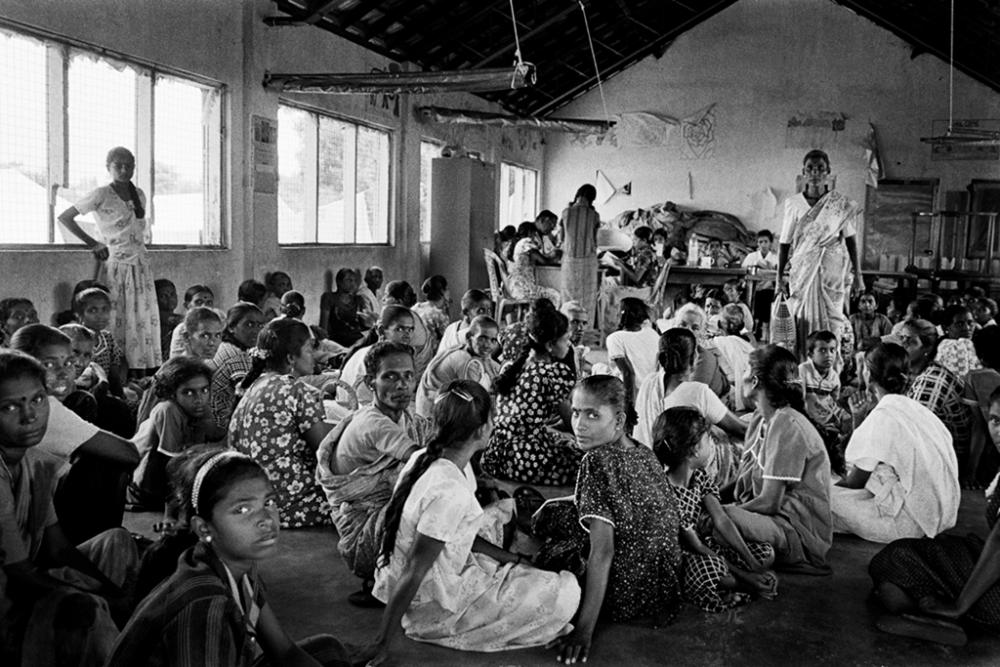
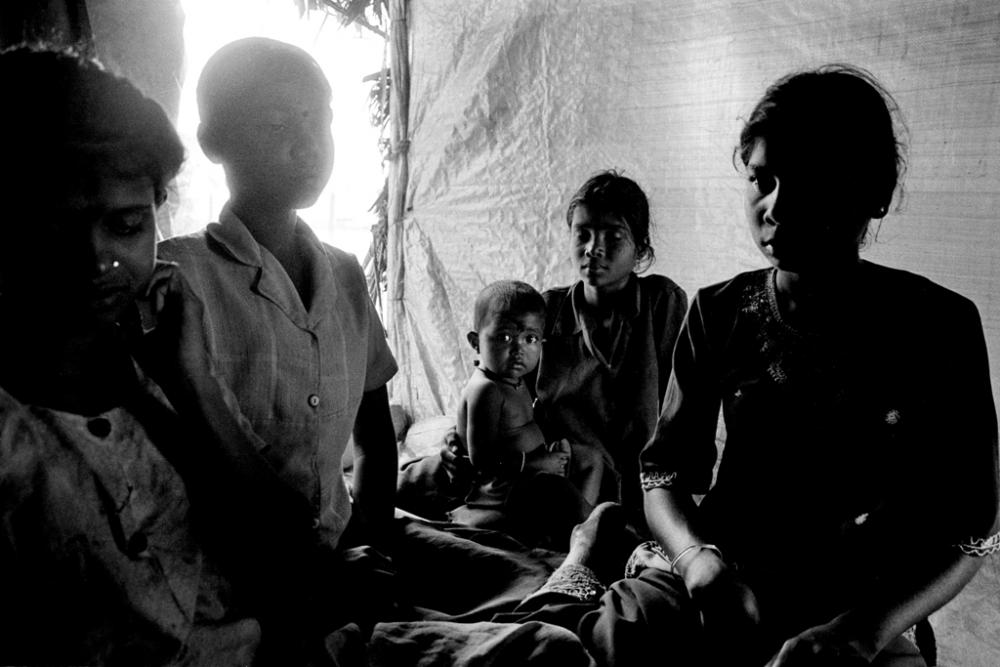
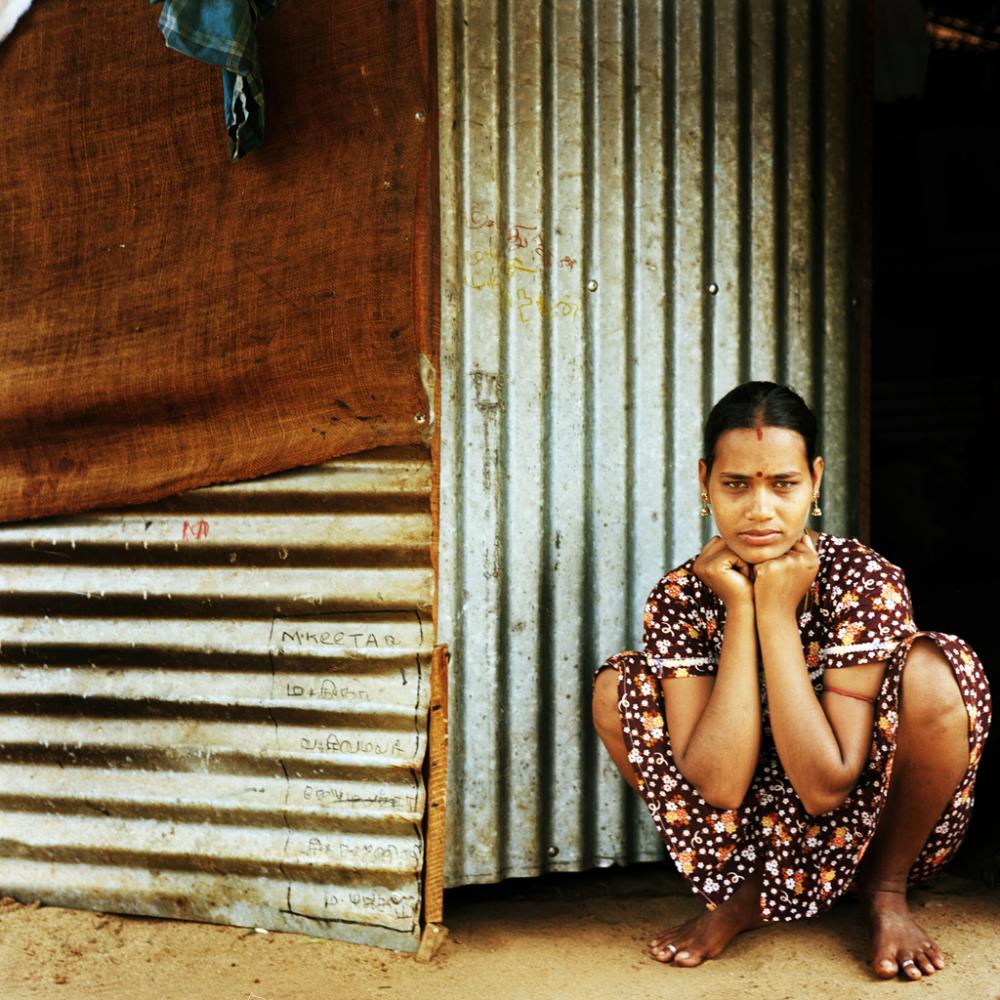
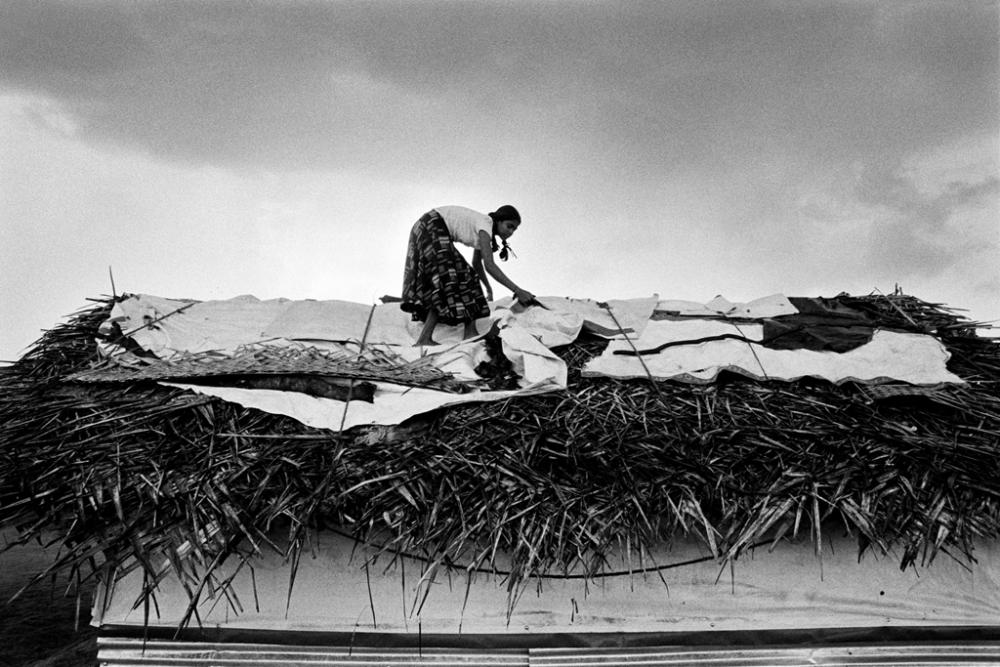
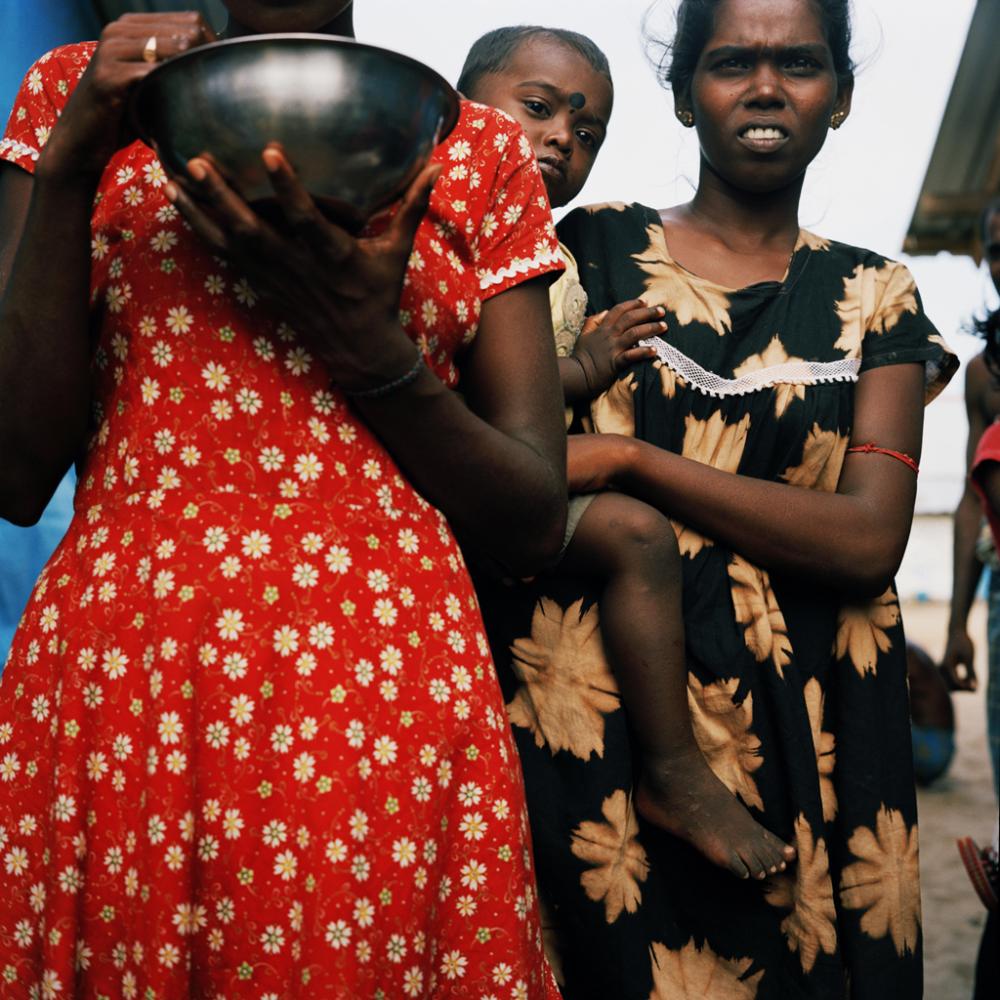
INTERNALLY DISPLACED IN SRI LANKA (2007) Sri Lanka is a country has experienced 26 years of civil war. The divisions between the Sinhalese majority and Tamil minority has led to a conflict that has claimed 60,000 deaths and produced some 800,000 internally displaced people. I went to Sri Lanka to document the lives of the internally displaced. When visiting the refugee camps it seemed like the war only left behind women and children, because most of the men were either dead or had been forced to leave their families to partake in the fighting. I wanted to document the women and their lives in the camps, and their roles as providers for their families. I choose to combine color portraits with black and white situation images to give two different perspectives of their reality. Since my trip the Sri Lanka government has defeated the Tamil tigers and life for the displaced has deteriorated. While the government attacked the LTT strong holds they also created a huge humanitarian crises. Many people have been uprooted more than once by the violence. Women waiting to get food coupons from the World for Food Program, September 5th 2007, Batticaloa, Sri Lanka

INTERNALLY DISPLACED IN SRI LANKA (2007) Sri Lanka is a country has experienced 26 years of civil war. The divisions between the Sinhalese majority and Tamil minority has led to a conflict that has claimed 60,000 deaths and produced some 800,000 internally displaced people. I went to Sri Lanka to document the lives of the internally displaced. When visiting the refugee camps it seemed like the war only left behind women and children, because most of the men were either dead or had been forced to leave their families to partake in the fighting. I wanted to document the women and their lives in the camps, and their roles as providers for their families. I choose to combine color portraits with black and white situation images to give two different perspectives of their reality. Since my trip the Sri Lanka government has defeated the Tamil tigers and life for the displaced has deteriorated. While the government attacked the LTT strong holds they also created a huge humanitarian crises. Many people have been uprooted more than once by the violence. Singales woman that was displaced from the north after 1990, August 15th 2007, Anuradhapura, Sri Lanka

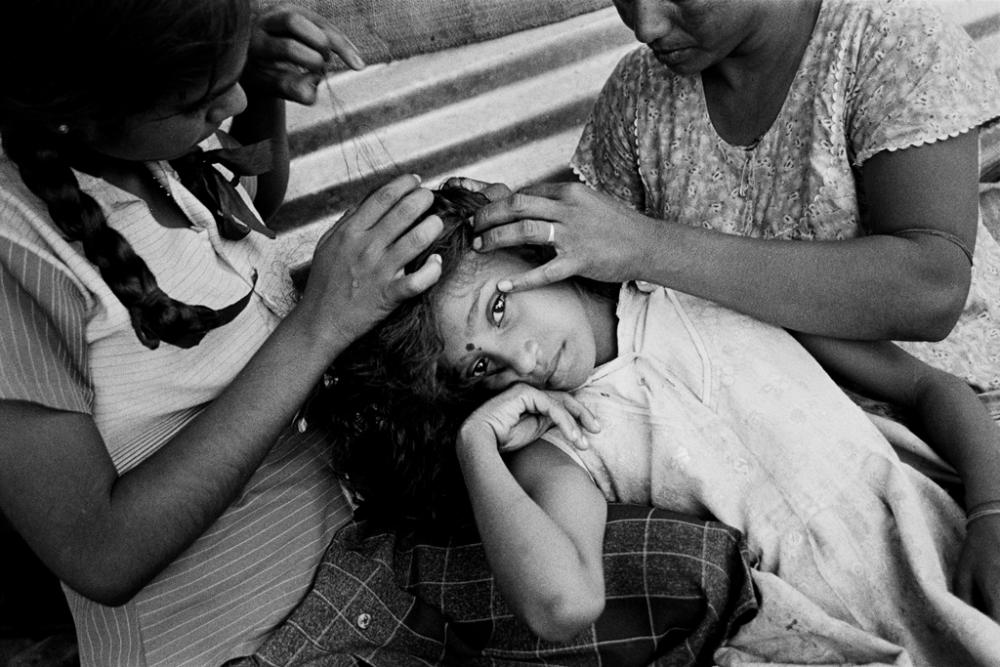
INTERNALLY DISPLACED IN SRI LANKA (2007) Sri Lanka is a country has experienced 26 years of civil war. The divisions between the Sinhalese majority and Tamil minority has led to a conflict that has claimed 60,000 deaths and produced some 800,000 internally displaced people. I went to Sri Lanka to document the lives of the internally displaced. When visiting the refugee camps it seemed like the war only left behind women and children, because most of the men were either dead or had been forced to leave their families to partake in the fighting. I wanted to document the women and their lives in the camps, and their roles as providers for their families. I choose to combine color portraits with black and white situation images to give two different perspectives of their reality. Since my trip the Sri Lanka government has defeated the Tamil tigers and life for the displaced has deteriorated. While the government attacked the LTT strong holds they also created a huge humanitarian crises. Many people have been uprooted more than once by the violence. Young girl in IDP camp, September 5th 2007, Batticaloa, Sri Lanka

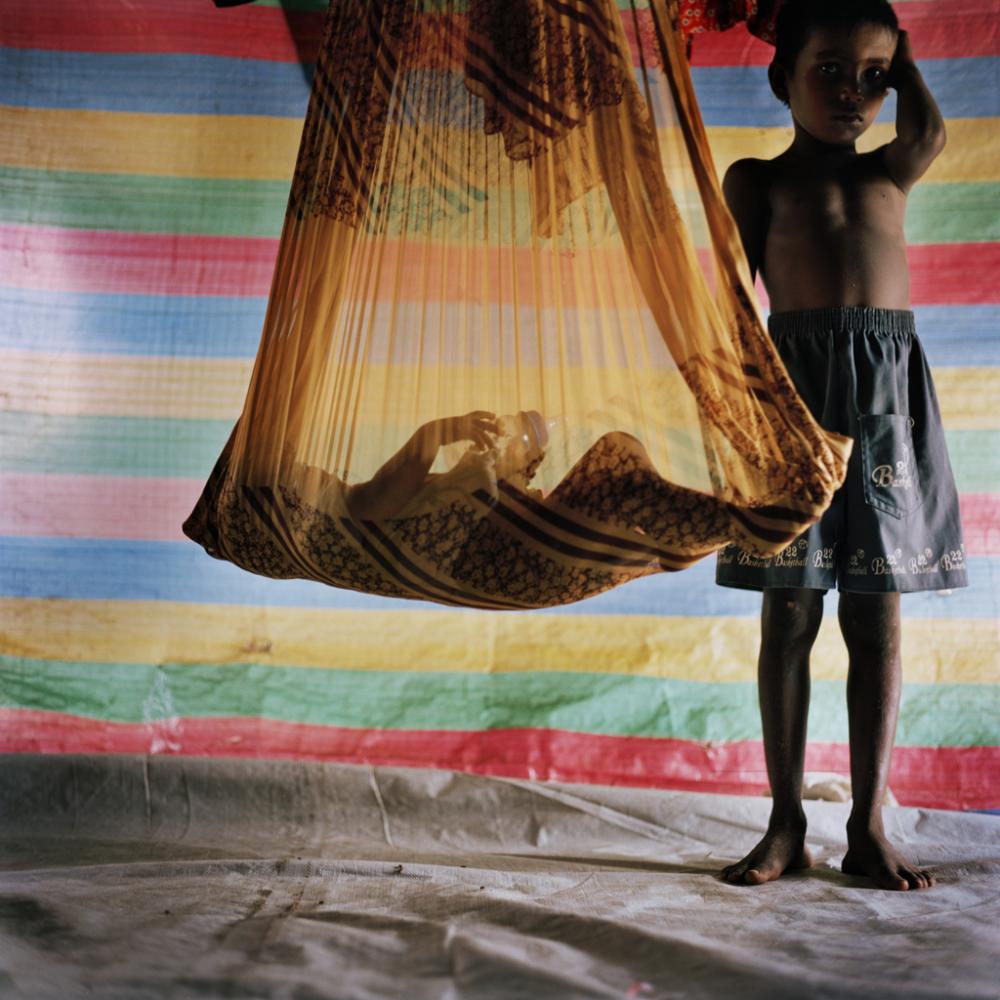
INTERNALLY DISPLACED IN SRI LANKA (2007) Sri Lanka is a country has experienced 26 years of civil war. The divisions between the Sinhalese majority and Tamil minority has led to a conflict that has claimed 60,000 deaths and produced some 800,000 internally displaced people. I went to Sri Lanka to document the lives of the internally displaced. When visiting the refugee camps it seemed like the war only left behind women and children, because most of the men were either dead or had been forced to leave their families to partake in the fighting. I wanted to document the women and their lives in the camps, and their roles as providers for their families. I choose to combine color portraits with black and white situation images to give two different perspectives of their reality. Since my trip the Sri Lanka government has defeated the Tamil tigers and life for the displaced has deteriorated. While the government attacked the LTT strong holds they also created a huge humanitarian crises. Many people have been uprooted more than once by the violence. Children in IDP camp, August 30th 2007, Batticaloa, Sri Lanka

INTERNALLY DISPLACED IN SRI LANKA (2007) Sri Lanka is a country has experienced 26 years of civil war. The divisions between the Sinhalese majority and Tamil minority has led to a conflict that has claimed 60,000 deaths and produced some 800,000 internally displaced people. I went to Sri Lanka to document the lives of the internally displaced. When visiting the refugee camps it seemed like the war only left behind women and children, because most of the men were either dead or had been forced to leave their families to partake in the fighting. I wanted to document the women and their lives in the camps, and their roles as providers for their families. I choose to combine color portraits with black and white situation images to give two different perspectives of their reality. Since my trip the Sri Lanka government has defeated the Tamil tigers and life for the displaced has deteriorated. While the government attacked the LTT strong holds they also created a huge humanitarian crises. Many people have been uprooted more than once by the violence. Young women in IDP camp, August 28th, Batticaloa, Sri Lanka

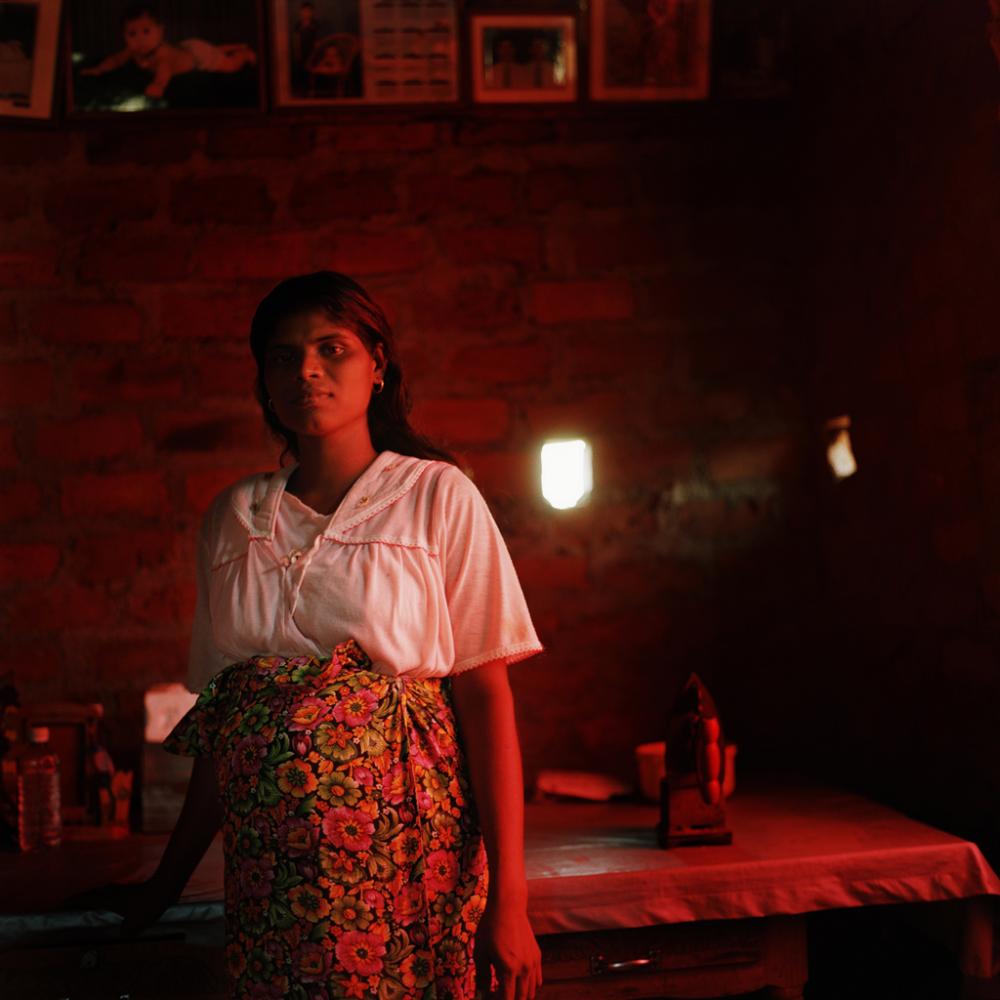
INTERNALLY DISPLACED IN SRI LANKA (2007) Sri Lanka is a country has experienced 26 years of civil war. The divisions between the Sinhalese majority and Tamil minority has led to a conflict that has claimed 60,000 deaths and produced some 800,000 internally displaced people. I went to Sri Lanka to document the lives of the internally displaced. When visiting the refugee camps it seemed like the war only left behind women and children, because most of the men were either dead or had been forced to leave their families to partake in the fighting. I wanted to document the women and their lives in the camps, and their roles as providers for their families. I choose to combine color portraits with black and white situation images to give two different perspectives of their reality. Since my trip the Sri Lanka government has defeated the Tamil tigers and life for the displaced has deteriorated. While the government attacked the LTT strong holds they also created a huge humanitarian crises. Many people have been uprooted more than once by the violence. Young woman in IDP camp, September 5th 2007, Batticaloa, Sri Lanka

INTERNALLY DISPLACED IN SRI LANKA (2007) Sri Lanka is a country has experienced 26 years of civil war. The divisions between the Sinhalese majority and Tamil minority has led to a conflict that has claimed 60,000 deaths and produced some 800,000 internally displaced people. I went to Sri Lanka to document the lives of the internally displaced. When visiting the refugee camps it seemed like the war only left behind women and children, because most of the men were either dead or had been forced to leave their families to partake in the fighting. I wanted to document the women and their lives in the camps, and their roles as providers for their families. I choose to combine color portraits with black and white situation images to give two different perspectives of their reality. Since my trip the Sri Lanka government has defeated the Tamil tigers and life for the displaced has deteriorated. While the government attacked the LTT strong holds they also created a huge humanitarian crises. Many people have been uprooted more than once by the violence. Young woman trying to fix the roof before rainfall in a IDP camp August 28th, Batticaloa, Sri Lanka

INTERNALLY DISPLACED IN SRI LANKA (2007) Sri Lanka is a country has experienced 26 years of civil war. The divisions between the Sinhalese majority and Tamil minority has led to a conflict that has claimed 60,000 deaths and produced some 800,000 internally displaced people. I went to Sri Lanka to document the lives of the internally displaced. When visiting the refugee camps it seemed like the war only left behind women and children, because most of the men were either dead or had been forced to leave their families to partake in the fighting. I wanted to document the women and their lives in the camps, and their roles as providers for their families. I choose to combine color portraits with black and white situation images to give two different perspectives of their reality. Since my trip the Sri Lanka government has defeated the Tamil tigers and life for the displaced has deteriorated. While the government attacked the LTT strong holds they also created a huge humanitarian crises. Many people have been uprooted more than once by the violence. Women in IDP camp, September 3rd 2007, Batticaloa, Sri Lanka

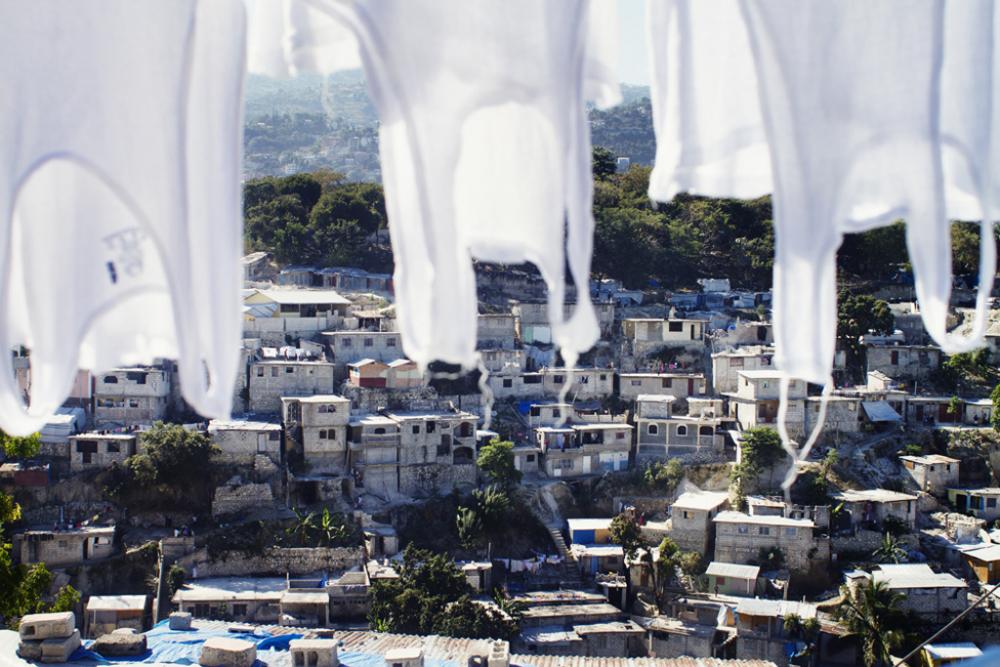
Housing Crises in Port-au-Prince (2012) When the earthquake happened the response was massive all around the world. It’s estimated that the international community pledged about 11 billion dollars in aid. Since then several countries have not delivered on their pledges and the money that was delivered has gone to emergency relief. Just recently the UN officially changed their mission in Haiti to focus on reconstruction. All over Port-au- Prince you will see houses marked with red, green or yellow tags. Green means your house is okay, yellow means that it needs repair and red means that the house can collapse and should be demolished. When people are leaving or being evicted from the camps they are returning to houses that are not safe to stay in and since repairs have taken such a long time people take it upon themselves to repair their houses. Another problem is that when people are repairing their homes they are using the wrong techniques and cheap cement. If another earthquake happened, this type of construction would put the city at risk of even greater devastation. Views of Nerette in Port-au-Prince, a residential area where many houses are still needing repairs.

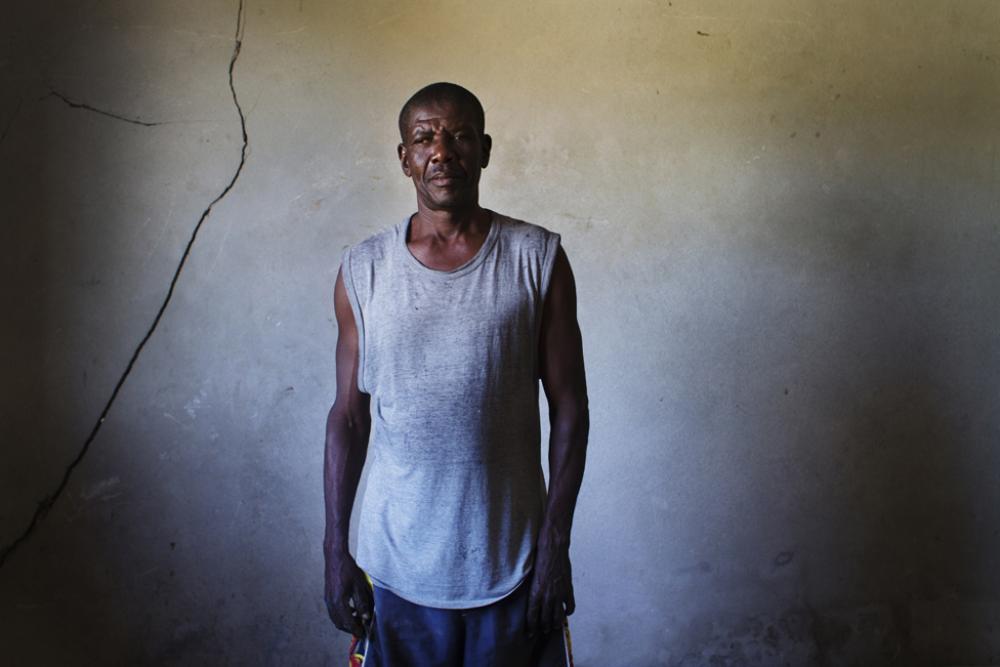
Housing Crises in Port-au-Prince (2012) Jean Vermacq is living in Nerette has five children and is working on repairing his two-story house.“When the earthquake happened one floor collapsed and two of my children died. My family and I had to go and live with my brother and we lived with them for eleven months. We had no choice but to move back home and now I cant afford to pay my children's school fees because I have to pay for the repairs.”

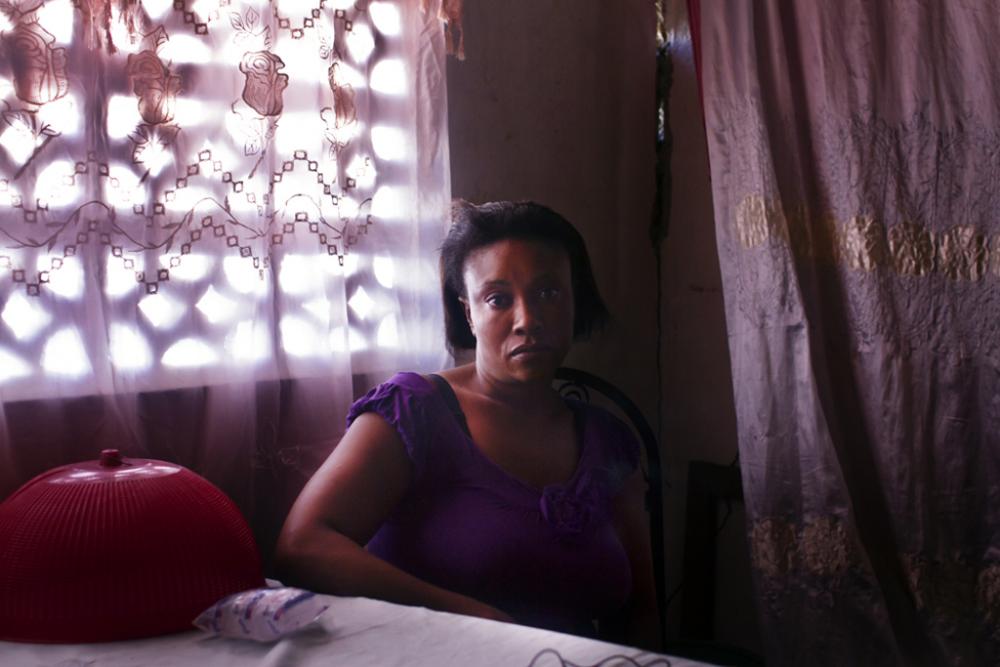
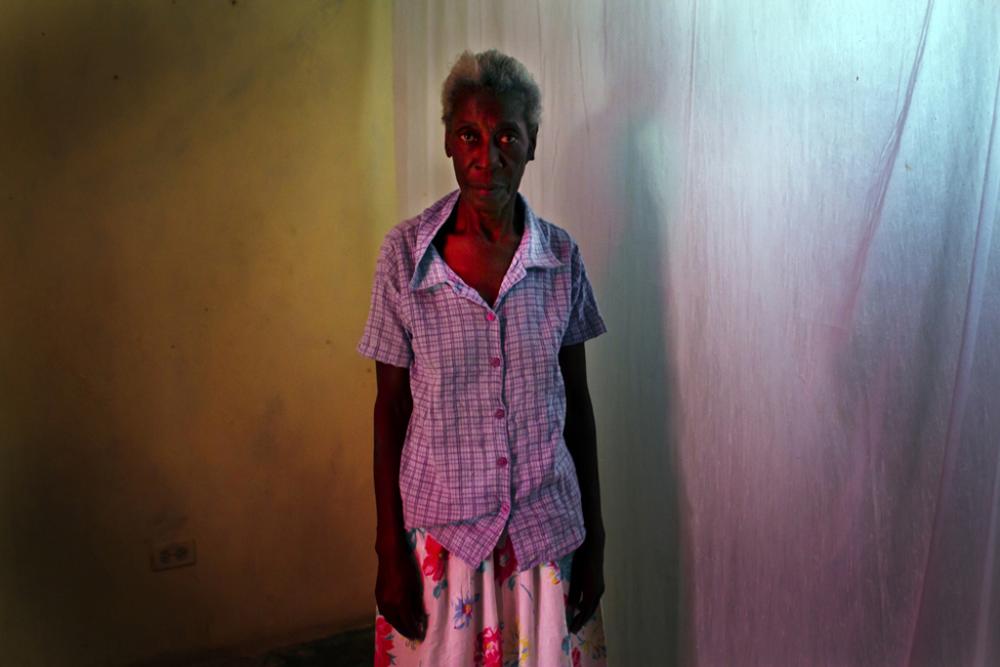
Housing Crises in Port-au-Prince (2012) Janet Moneus has three daughters and lives in a red tagged house. She is very worried about the family's safety. “Either I repair the house or pay my children's school fees. I choose to send my children to school because I want them to be able to study at university and have a better future.”

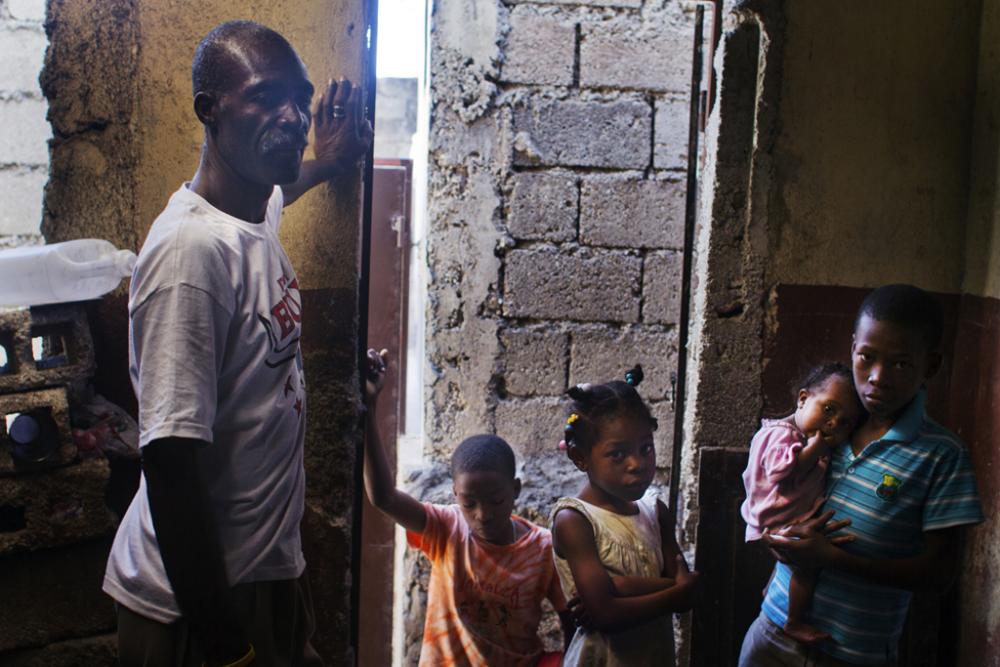
Housing Crises in Port-au-Prince (2012) Jean Claude St-Victor is the father of nine children and lives in Jalounge. His house has several cracks but has a green stamp which means that the house does not need repairs. His house was inspected but only from the outside when no one was home. Jean Claude used to live in the tent camps, but for the sake of his family, he chose to return as soon as possible. He has been unemployed for a long time and supports himself by selling lottery tickets and renting out a room in his house. Unemployment in Haiti is estimated at fifty percent but may be considerably higher. Most Haitians have no real employment, but various small jobs that give money to the basics.

Housing Crises in Port-au-Prince (2012) Viergela Metellas’ home was destroyed in the earthquake and she was forced to stay in a camp for a year before she moved into a small house in Nerette where she lives with the rest of her family. The house has a yellow stamp on it and needs repair. Nonetheless she is happy to leave the tent life behind.

Housing Crises in Port-au-Prince (2012) Paul Yolene is a single mother with four children. Her home was destroyed in the earthquake. In the beginning Paul lived with her cousin for a few weeks but he began threatening her so she had no choice but to move into the camps.“Life here is hard and uncomfortable. We are plagued by insects and the tents are in poor condition.” “Before the earthquake, Paul sold goods on the market but she lost everything after the earthquake.” “I am constantly looking for work because one of my children will now start at university and I want to be able to her school fees, but there are no jobs.”