

From Vulnerability to Survival
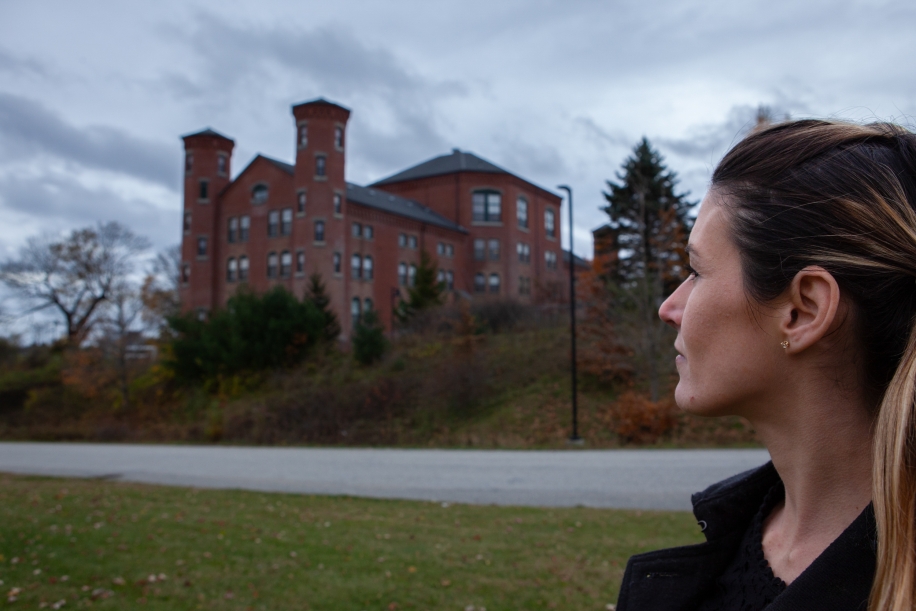
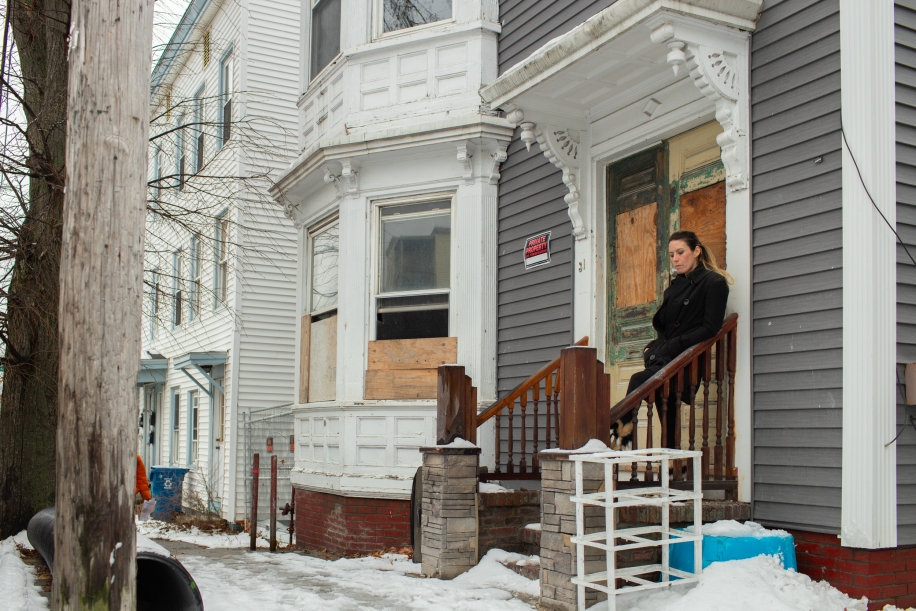
This image marks the beginning of Cary’s story and also the beginning of a reckoning with the systems that failed her and countless others.
Cary Stuart stands at the threshold of her childhood home in Kennedy Park, a low-income neighborhood in East Bayside, Portland, Maine. Once a familiar place of innocence, this doorway now represents a stark divide between who she was and who she had to become to survive. Portland, like many urban centers in the U.S., is grappling with deepening social and economic challenges. Rising housing costs, widening inequality, a growing opioid crisis, and limited access to comprehensive healthcare and social support all create conditions in which vulnerability thrives.
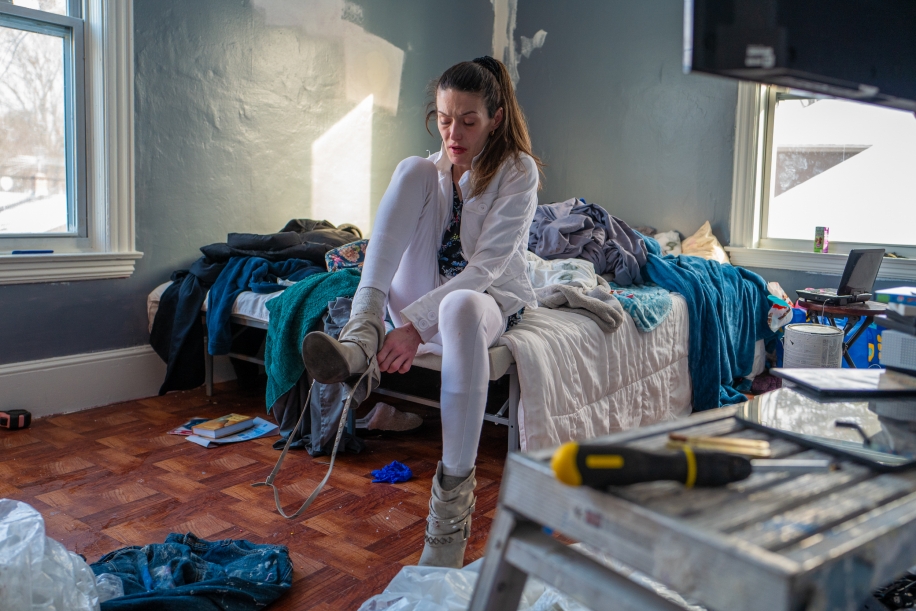
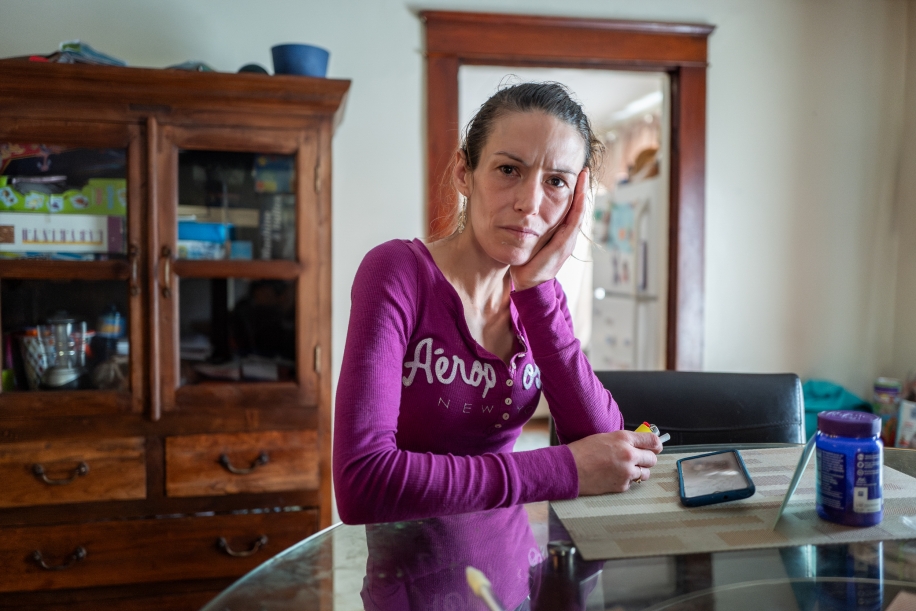
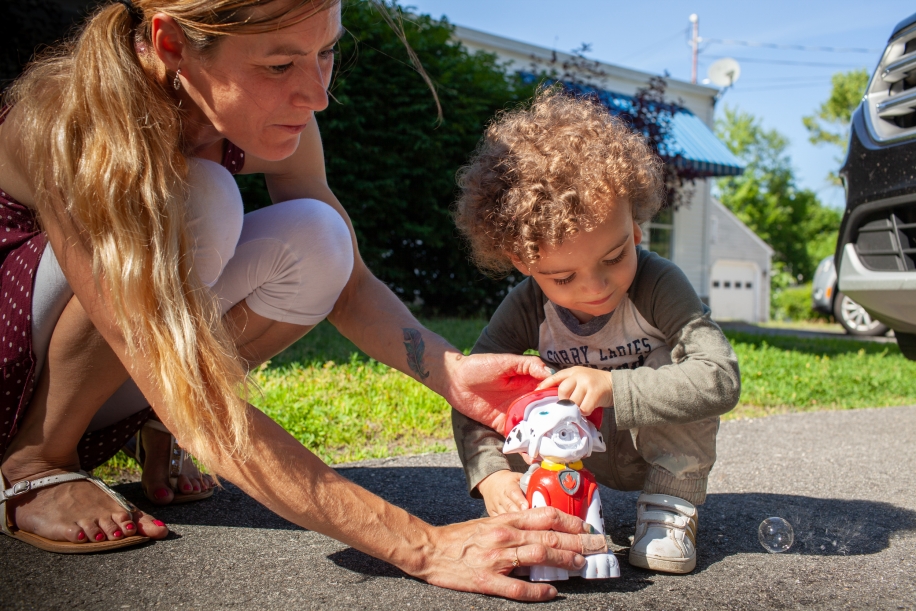
Cary’s early life was marked by instability, fractured trust, and deep trauma. The wounds are both visible and hidden. These scars set the stage for the difficult path ahead, where addiction and exploitation threatened to consume her. Even in the darkest moments, seeds of resilience remained.
Woman Rising: Sex Trafficking in America
Matilde Simas | Maine, United States
Photographer: Matilde Simas
Exhibit Title: Woman Rising: Sex Trafficking in America
Location: Maine, United States
Woman Rising is a long-term photographic and short film documentary that follows Cary Stuart, a survivor of human trafficking in Maine, as she rebuilds her life after seven years of exploitation and incarceration for crimes committed under coercion.
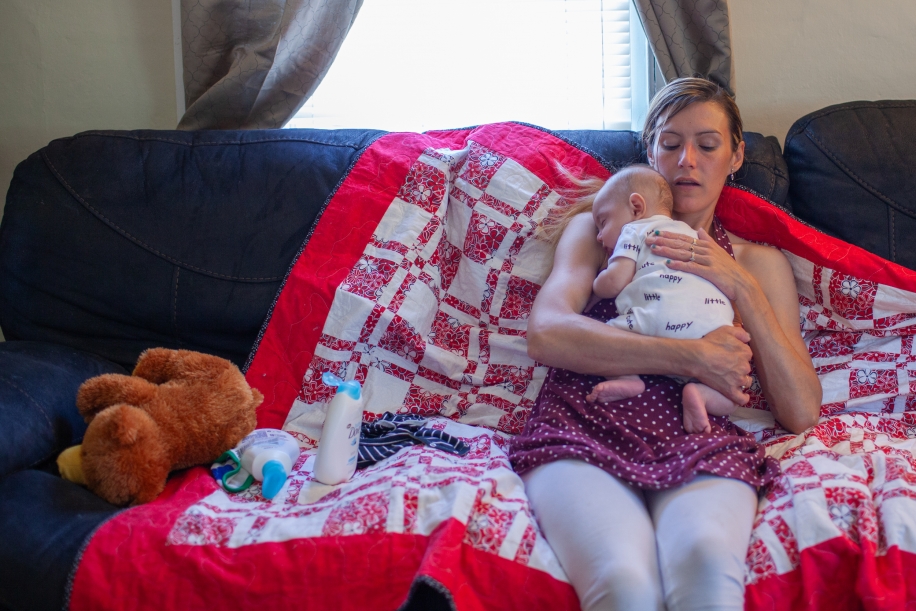
The project reveals how broken systems allow trafficking to persist. Poverty, isolation, and gaps in social support shape daily life for many, and Cary’s story reflects the wider struggles of communities affected by domestic violence, foster care, and housing insecurity. It captures the delicate journey of starting over, restoring dignity, and finding stability after trauma.
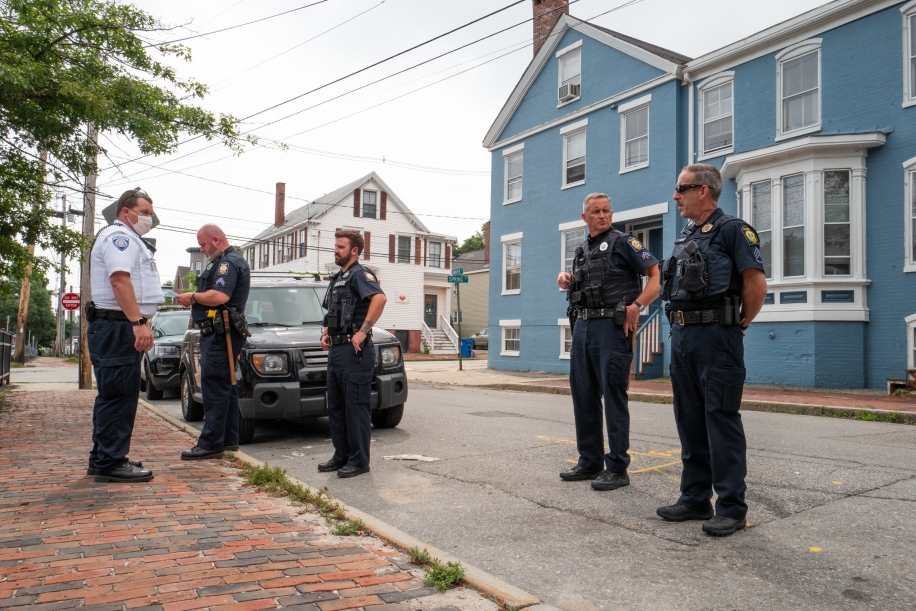
Maine’s opioid crisis, geographic isolation, and social service gaps have made the state a quietly active corridor for trafficking, a place where hardship is constant and often unseen. Through Cary’s journey, Woman Rising exposes this hidden crisis and challenges the assumption that trafficking happens only elsewhere.
Woman Rising asks us to confront how our communities and systems contribute to or prevent exploitation.
Too often, we imagine trafficking as something that happens “elsewhere.” But it thrives in places where poverty, stigma, and silence coexist. It affects children and adults alike. And it often goes unrecognized, especially when it doesn’t look like what we’ve seen in the movies.
According to the National Human Trafficking Hotline, hundreds of cases are reported in New England each year, though the actual number is likely far higher. In Maine, trafficking often intersects with homelessness, addiction, and domestic violence. But because survivors don’t always identify as victims, they remain invisible. That’s why storytelling matters. It makes the unseen seen. It helps communities understand the issue’s complexity and humanizes those affected.
Of course, storytelling alone isn’t enough. We need better laws. We need investment in survivor services and training for law enforcement, healthcare providers, and educators.

Make Comment/View Comments