


Death is a difficult and painful topic, it's easier to remain silent about it than to discuss it. We all fear it as humans because it means the end of earthly life and leaves us with the question, what comes next? The Catholic Church teaches that after death, the human soul lives on - it goes to heaven or hell, and for its sins, it atones in purgatory. For non-believers, death is the end of the road, and the deceased live on only in the memory and recollections of their loved ones. In the past, the deceased's family took care of preparing the body for burial. They washed it, dressed it in festive clothes, and anointed it with oils. Often, a picture of a saint and a rosary were placed in the coffin, sometimes also the deceased's favourite items. In villages, neighbours would gather for an overnight vigil in the house where the deceased lay in one of the rooms. The coffin was always carried out feet first to prevent the soul from returning.
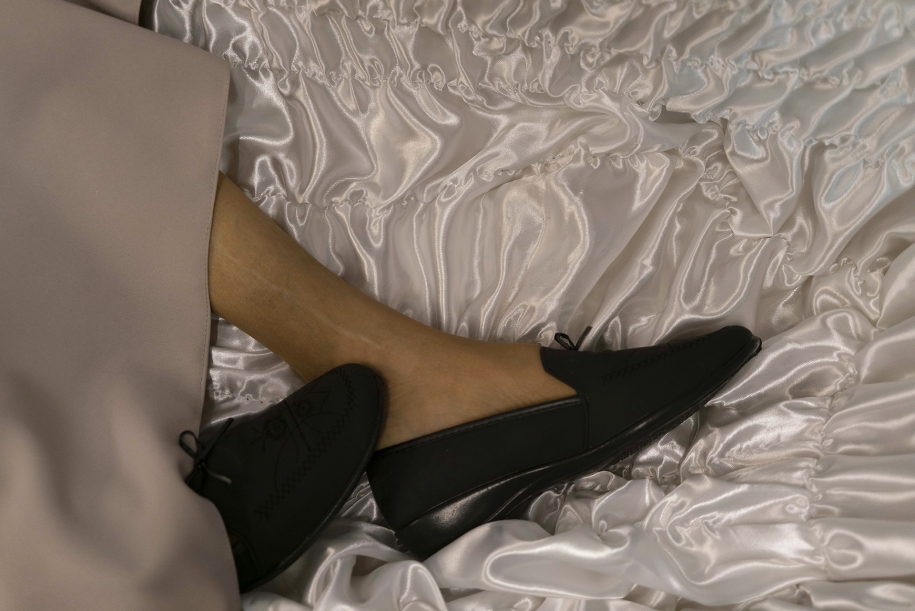
Before it left the house, it had to be knocked three times against the threshold. Organising the funeral ceremony was the responsibility of the deceased's family - modest or more lavish, depending on financial resources. Funeral companies that handle the comprehensive burial of the deceased only began to emerge in the 1990s. Annually, about 400,000 people die in Poland. The COVID-19 pandemic reaped a huge toll. According to data from the Central Statistical Office, in the years 2020, 2021, and 2022, respectively 480,000, 520,000, and 488,000 people died. The photos presented in the series were taken in February and March 2021 during the COVID-19 pandemic. I made them at the Municipal morgue in Olsztyn.This series follows the work of those who stand between the two —caring for the body after life has ended.It is a quiet, repetitive process. Measured in gestures, routines, and time. Nothing spectacular happens here. And yet everything has already happened.

Make Comment/View Comments