

WILDFIRE, Chapter One: Embedded with the Ash
Mykle Parker | CA, United States
Photographer: Mykle Parker
Exhibit Title: WILDFIRE, Chapter One: Embedded with the Ash
Location: CA, United States
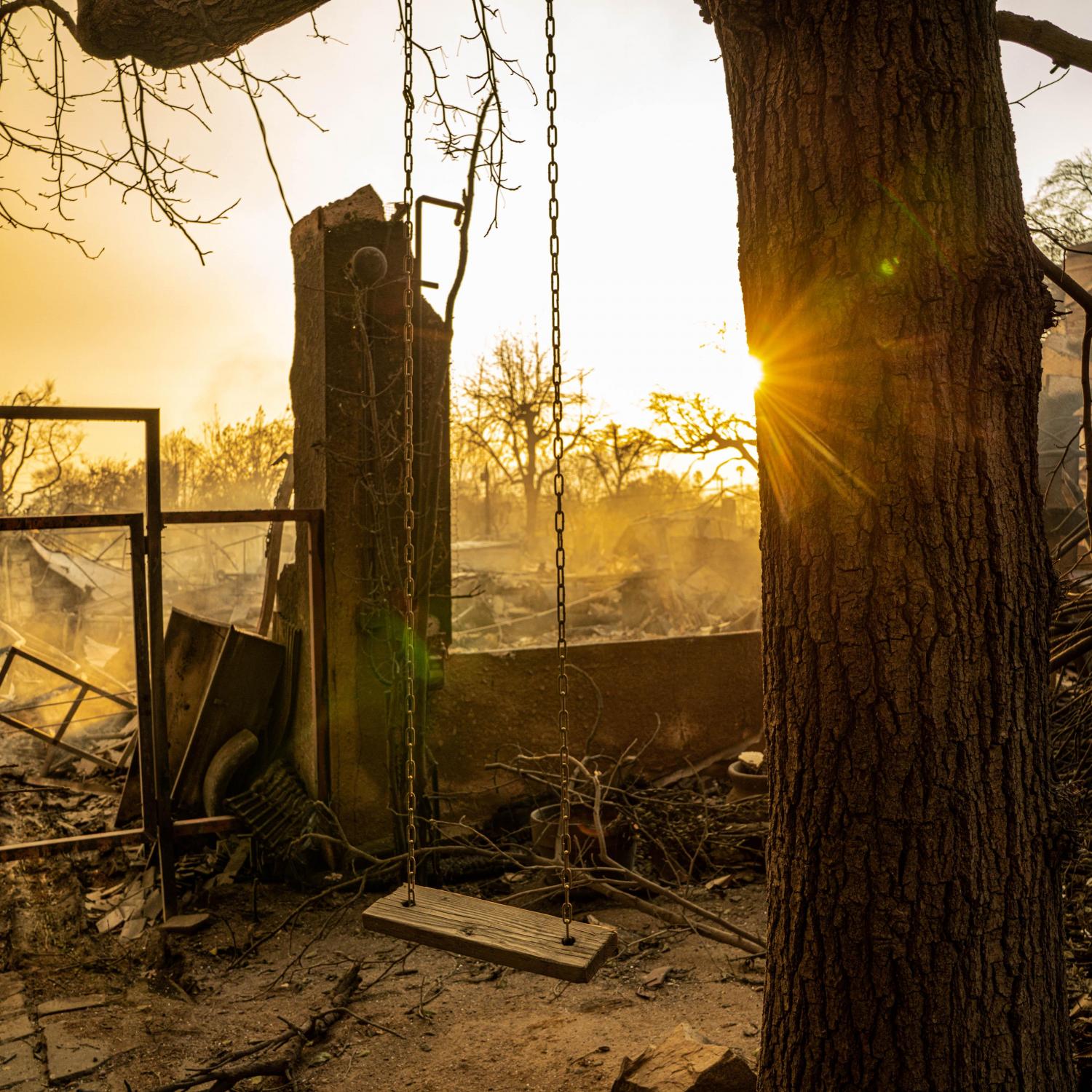
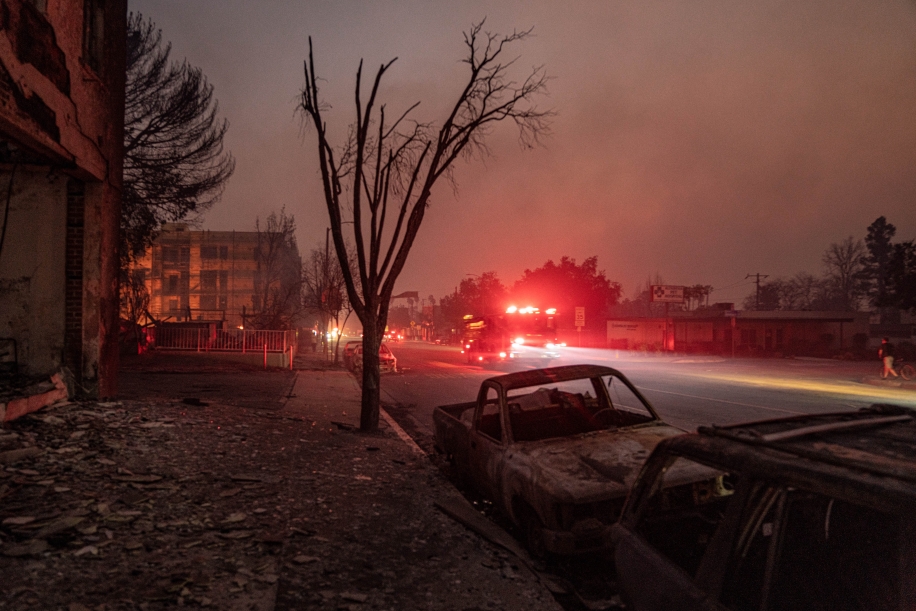
WILDFIRE, Chapter One: Embedded with the Ash examines the hidden and long-term consequences of wildfire recovery in California following the 2025 fires. As an evacuee and longtime resident of Altadena, the project documents community-based recovery efforts as residents confront environmental contamination, housing loss, food insecurity, and prolonged bureaucratic barriers long after media attention has faded.
Through sustained visual reporting, the work reveals how environmental neglect and government inaction compound disaster-related trauma, leaving residents to navigate uncertainty around public health, water safety, and ecological damage. While Altadena remains the project’s anchor, the fires also destroyed coastal homes in Pacific Palisades, where debris entered the Pacific Ocean directly, exposing ecological harm that links inland recovery to marine life and human health along the shoreline.
Spanning 2025–2026, the project connects inland and coastal recovery through community science, grassroots organizing, and civic accountability. By focusing on environmental advocates rebuilding systems of care, the work challenges simplified narratives of resilience and rebirth, offering a complex portrait of recovery as an ongoing, uneven, and deeply interconnected process.
Wildfire, Chapter One: Embedded with the Ash examines the hidden costs of recovery in post-fire California, long after headlines fade. Centered in Altadena, the project documents community-led recovery efforts following the 2025 wildfires, revealing how environmental neglect and government inaction compound disaster-related trauma. The harm lingers in the soil, the lungs, and the water.
Seventeen hours after evacuations for the Eaton Canyon Fire began, sirens still moved through my neighborhood without pause. The hurricane-like winds had subsided. My town—where I have lived for thirty years and raised my child—had just lost 9,414 structures and 19 people.
With my camera, I walked the main road of Altadena, California, conscious this body of work would span decades. What I could not yet articulate—but have since come to understand—was that the smoke was not only from burning trees and homes; it also revealed the results of decisions made over many years by people in power.
Systems meant to protect communities—environmental regulation, infrastructure, housing policy, and emergency planning—had been knowingly left weak or unequal. The fire laid those failures bare.
While wildfire recovery is often framed as a story of resilience and rebirth, the reality is far more opaque. Beneath the rhetoric lies contamination, unequal protection, houselessness, food insecurity, prolonged bureaucratic barriers, and elected officials who disappear once the cameras leave.
While Altadena remains the center of this work, the fires also consumed coastal homes in Pacific Palisades, where destruction flowed directly into the Pacific Ocean. The shoreline has become an early indicator of ecological impacts not yet fully visible inland: contaminated water, persistent toxicity, and marine animals washing ashore dead or disoriented. Biologists document these losses as evidence that ecological damage is ongoing, even as daily life on land resumes.
One year later, uncertainty persists around long-term ecological and public health consequences. The ocean reveals what the community cannot yet measure—the slow movement of pollutants through water, soil, and bodies—suggesting that recovery has begun in name while the harm continues in real time.
Spanning 2025, this chapter follows efforts to test water and soil, address housing and food insecurity, hold agencies accountable, and rebuild systems of care by those who live here or wait to return home. Its purpose is not only to witness recovery, but to challenge the illusion of it—revealing how communities endure when the cameras are gone and the story is far from over.
California Coastal Alliance
Altadena Photographers
Mykle Parker
Mykle@MykleParkerPhotography.com
MykleParkerPhotography.com
IG - @MykleParkerPhotography
626-417-4111
Make Comment/View Comments