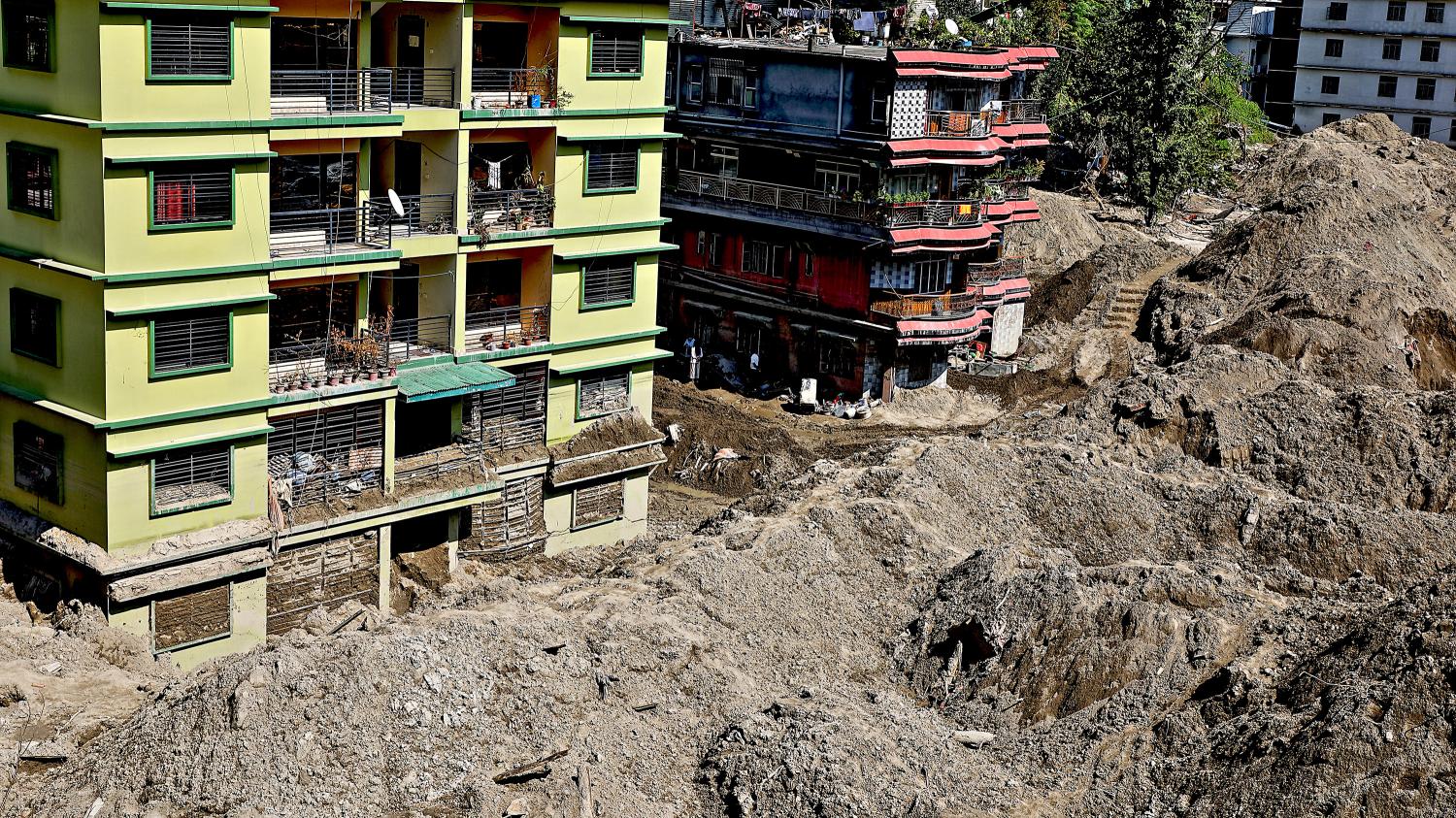

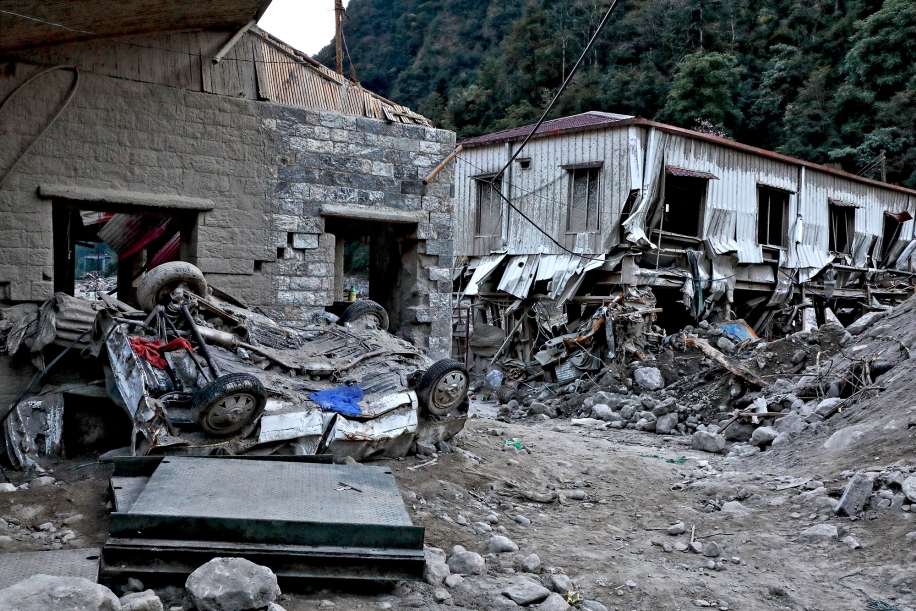

Chungthang, once a thriving tourism hub in North Sikkim, saw much of its growth after the construction of the 1200 MW Sikkim Urja dam. Surrounded by lush greenery, a lake, and crisp mountain air, the town drew large numbers of visitors and served as the gateway to North Sikkim.
The GLOF of October 2023 changed that reality overnight.
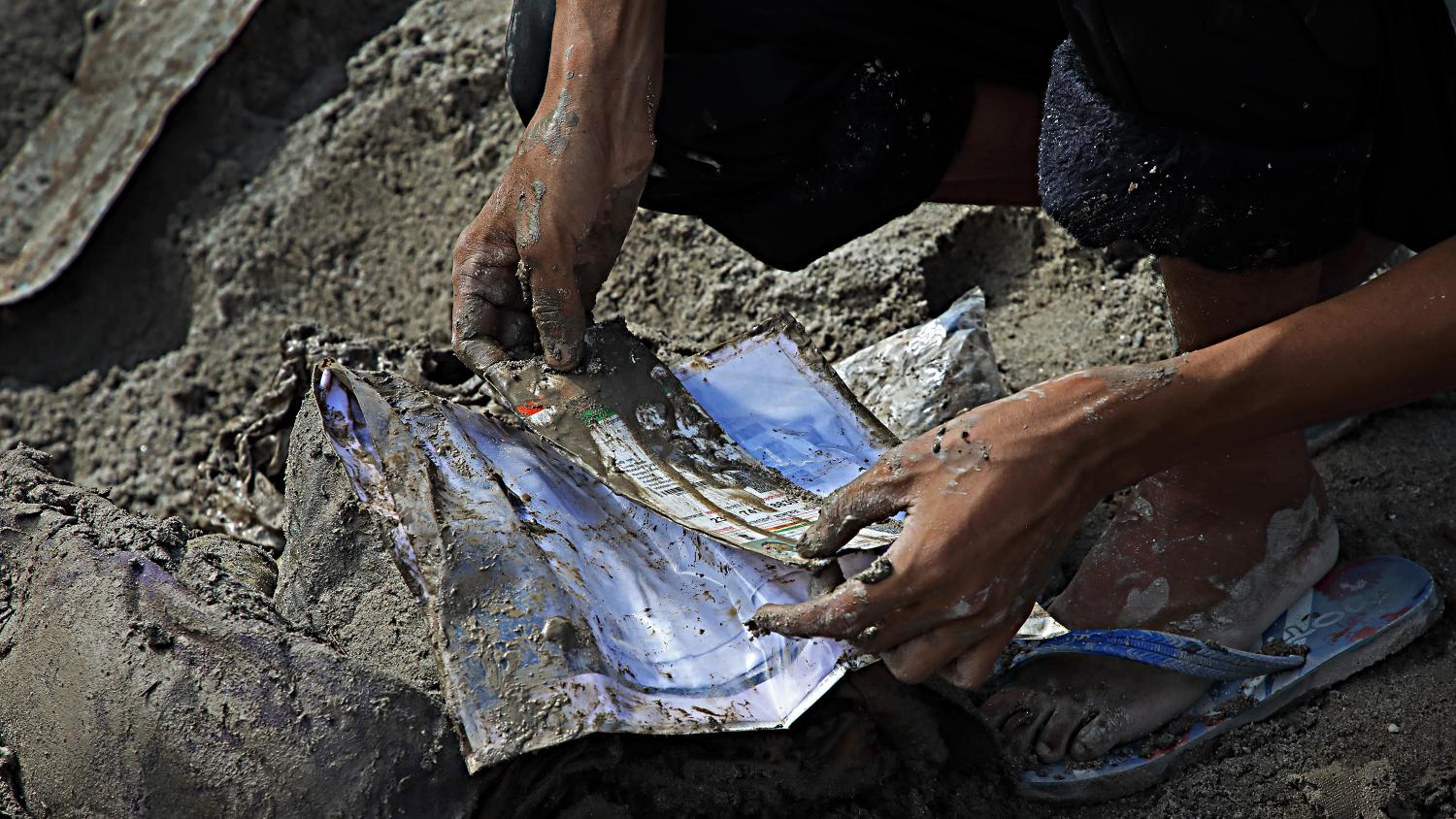
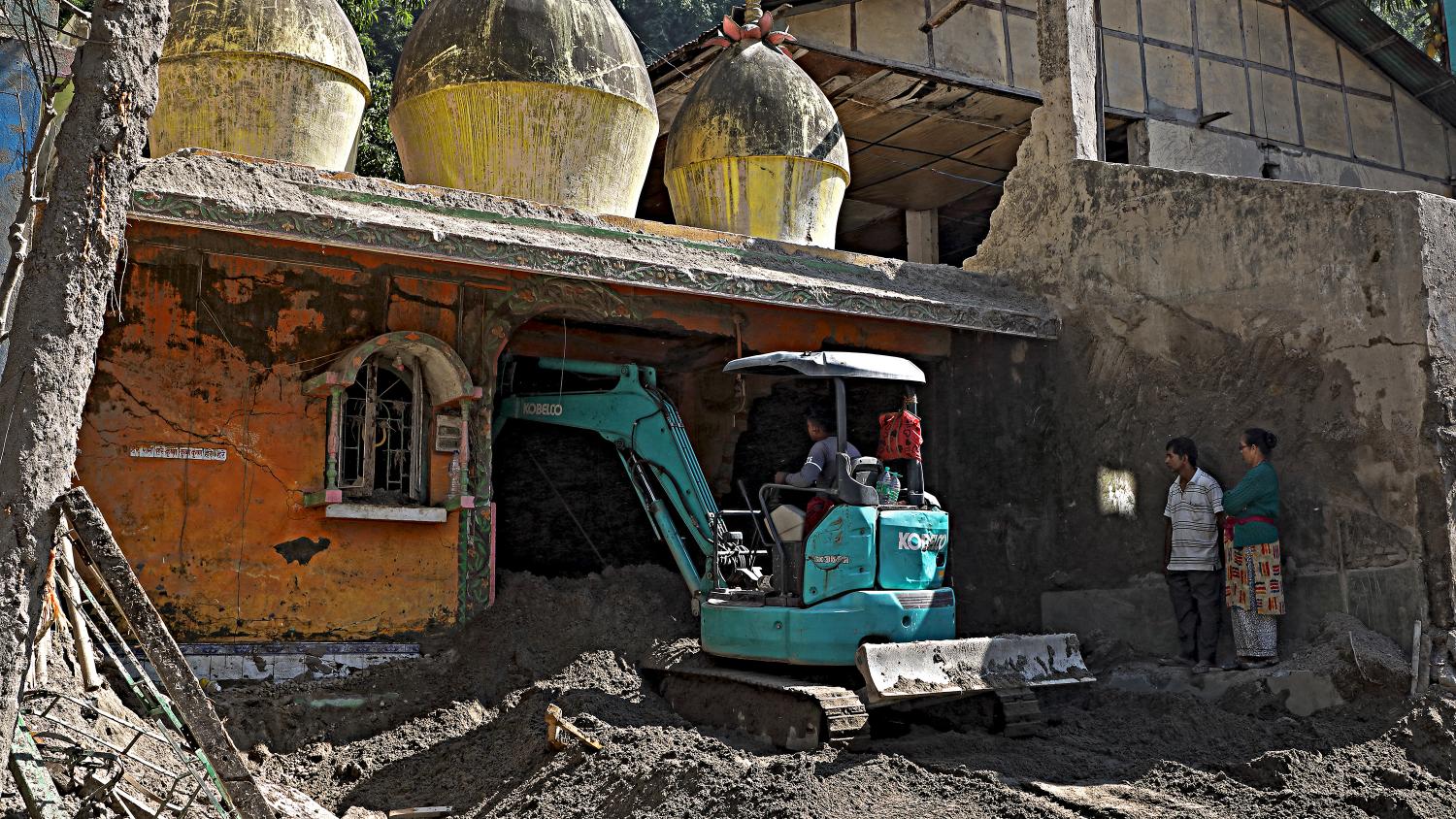
When we visited Chungthang on 19 November 2023, we found a town in ruins—strewn with rocks and boulders of every size, with large sections buried beneath thick layers of sand and silt. Heavy earthmoving machines and trucks laboured relentlessly through the day, clearing debris in an effort to make the town habitable once again.
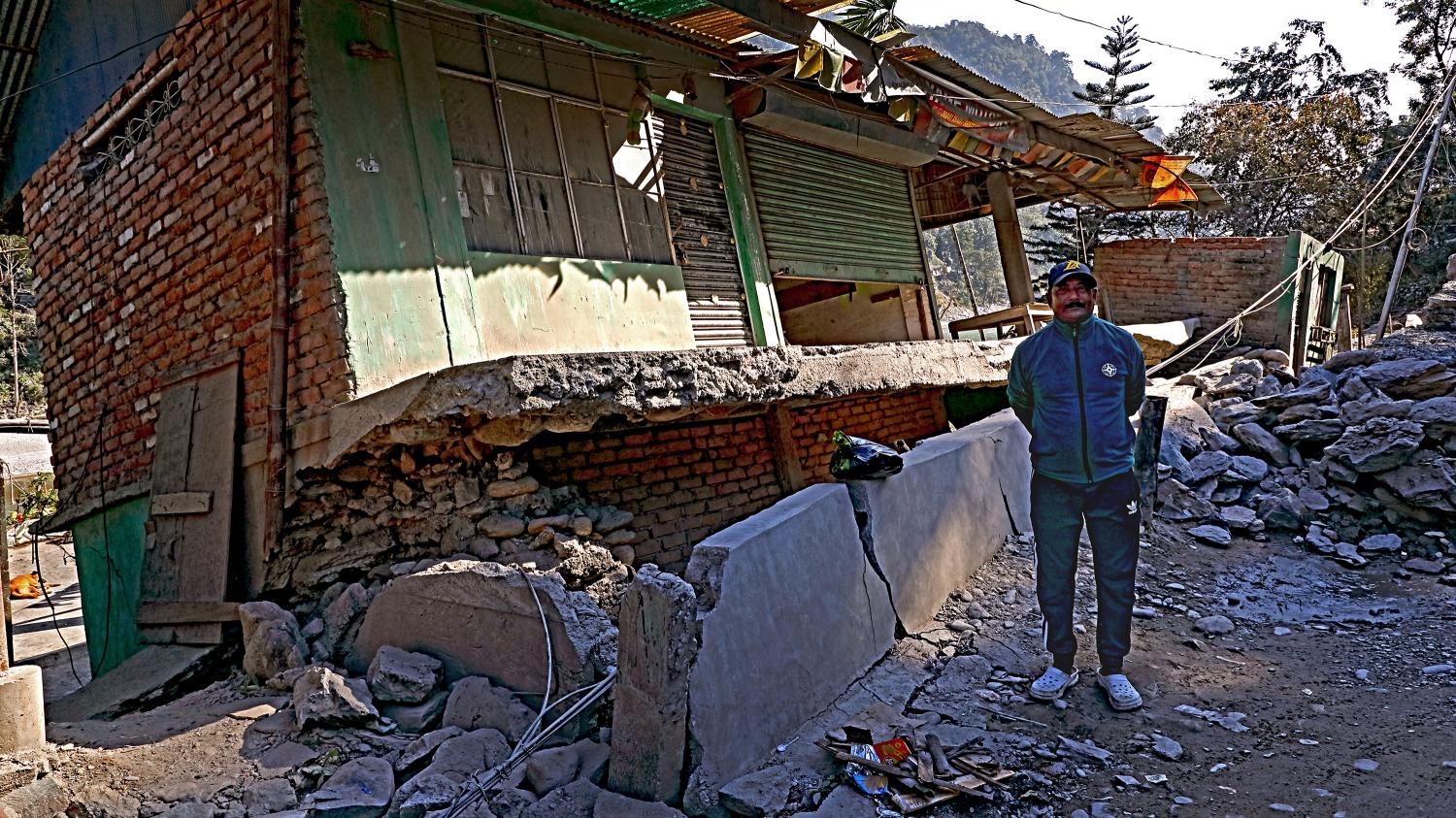
Here, you can see the shattered remains of the Chungthang police station in the aftermath of the GLOF.
The Teesta Valley GLOF disaster - the unheard voices
Organization: SaveTheHills
Photographer: Praful Rao
Organization: SaveTheHills
Exhibit Title: The Teesta Valley GLOF disaster - the unheard voices
Location: India
On the night of 3–4 October 2023, a massive Glacial Lake Outburst Flood (GLOF) struck the Eastern Himalayas. South Lhonak Lake in North Sikkim, at an altitude of 17,500 feet, burst following an avalanche, releasing nearly 50 million cubic meters of icy water and debris into the Teesta River.
The torrent rushed down steep slopes, uprooting millions of trees and carrying vast quantities of soil, boulders, and debris. It destroyed the 1200 MW Sikkim Urja dam at Chungthang, swept away major bridges, triggered widespread landslides, and damaged multiple hydroelectric projects along the Teesta valley. Downstream towns such as Singtam, Rangpo, and Teesta Bazar were devastated, with nearly 200 lives lost and extensive economic damage.
As the river reached lower altitudes, its flow slowed, depositing huge volumes of sediment that raised the riverbed by 4–5 meters, placing previously safe settlements at risk.
This photo essay documents the impact of a disaster that remained largely unnoticed by media, politicians, and the wider public—a silent catastrophe in a remote Himalayan region, whose consequences continue to be felt across the Teesta valley.
As a photographer who has been photographing disasters for the past 17years for our blog https://savethehills.blogspot.com, I realize the importance of commencing work as soon as possible after a disaster – delay will lead to changes on the ground and possible distortion of facts.
So for the Teesta Valley GLOF disaster of Oct2023, we (Praveen Chhetri and I) started recording the disaster as it unfolded, on the day the GLOF occurred (04Oct2023) and my young colleague’s drone image of the floods hitting the Teesta bazar (W Bengal, India) at around 11.00 am on 04Oct2023 is certainly one of the most iconic photo of any GLOF so far.
Thereafter, we have recorded the event and its impact all along the Teesta valley right thru and continue doing this work even today.
SaveTheHills is a registered Kalimpong (W Bengal India) based NGO which has been working on raising awareness on the extreme vulnerability of the Himalayas to climate change and disasters for the past 17 years.
My presentation on the GLOF in our Youtube channel is placed here
Our blog, which has a detailed record on the GLOF and its impact is https://savethehills.blogspot.com
savethehills@gmail.com
9475033744
Make Comment/View Comments