

The National Guard in Washington DC: A City in Transition
Probal Rashid | Washington D.C., United States
Photographer: Probal Rashid
Exhibit Title: The National Guard in Washington DC: A City in Transition
Location: Washington D.C., United States
In August 2025, President Donald Trump announced that the D.C. Metropolitan Police Department would come under federal control, accompanied by the deployment of federal officers and National Guard troops. Introduced as a strategy to reduce crime, the decision quickly reshaped life in Washington, D.C., and sparked an immediate public response.
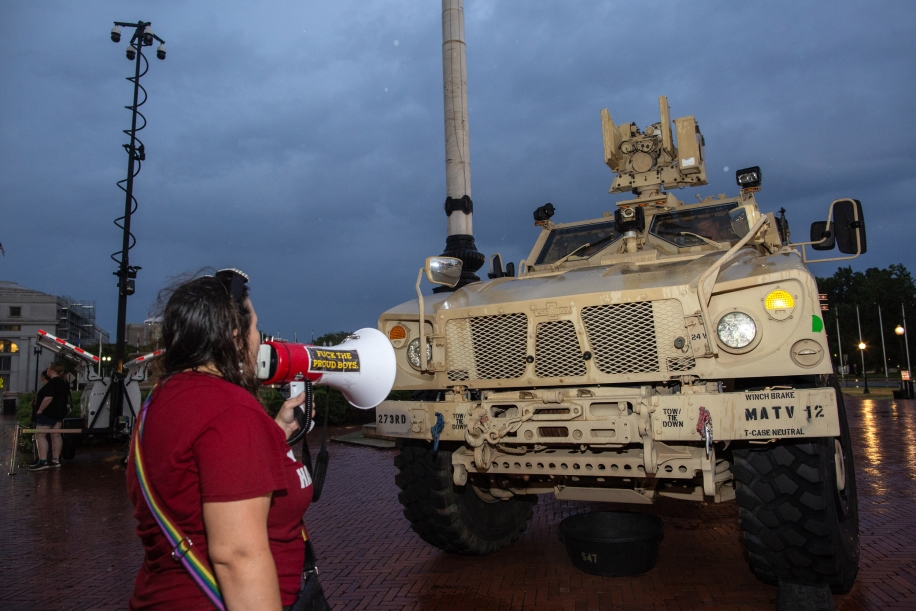
This photo series documents the shifting reality since that announcement. Armed National Guard members now stand watch over major transit hubs and landmarks, transforming familiar public spaces into guarded zones. Their presence creates a reminder of state power in places once defined by routine movement and civic gathering.
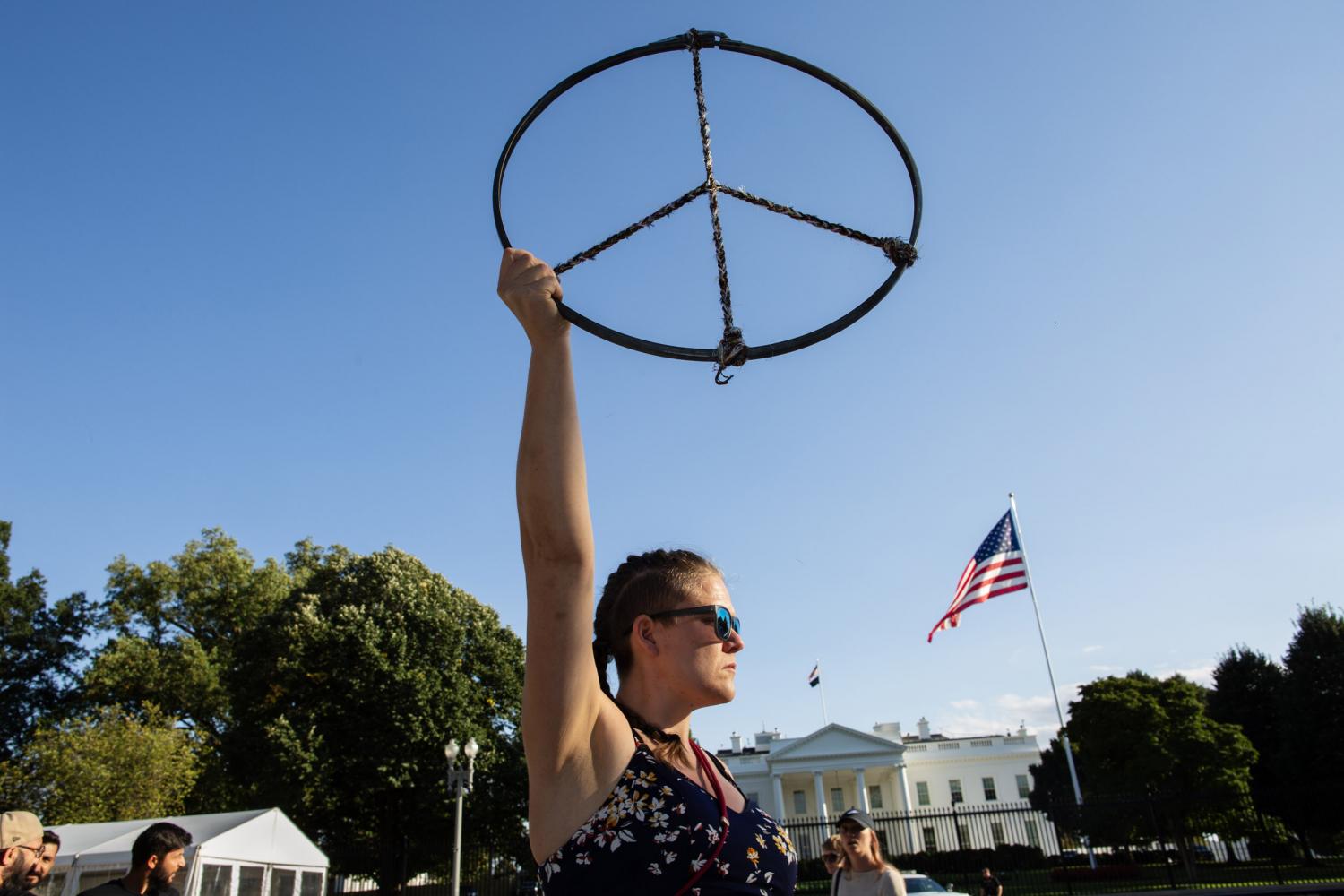
The photographs also reflect how residents have responded. Communities have taken to the streets in protest, carrying signs, chanting, and playing drums to call for alternatives rooted in local voices rather than federal command. To many, the deployment signals a loss of autonomy and freedom.
Alongside moments of confrontation, the series captures quiet intersections of daily life and military presence: neighbors talking near barricades, commuters pausing as soldiers pass, and families moving forward under watch. Together, these images trace a city negotiating power, safety, and democracy in its public spaces.
In August 2025, President Donald Trump announced that the D.C. Metropolitan Police Department would be placed under federal control. Federal officers and National Guard troops were simultaneously sent into Washington, D.C., ostensibly to reduce crime. However, the decision quickly altered daily life in the capital and sparked a strong public reaction.
This photo series shows what the city has looked like since the announcement. Armed National Guard members now patrol major areas, including Union Station and well-known landmarks. Their presence has transformed familiar public spaces into guarded zones where people are visibly reminded of state power. The photographs also capture residents' response. Many have organized protests, gathering in circles, plazas, and on streets to speak out against the decision. Demonstrators march with signs, play drums, and chant for community solutions instead of federal control. To them, the deployment represents a loss of local voice and freedom.
The images also capture quieter moments: people pausing to watch soldiers walk by, neighbors speaking outside barricades, and daily routines continuing even with troops nearby. These moments illustrate how military presence and ordinary life now overlap.
This series does not provide final answers. Instead, it captures how Washington is experiencing a time of change, where questions of power, safety, and democracy are evident in every patrol, protest, and street corner.

Make Comment/View Comments