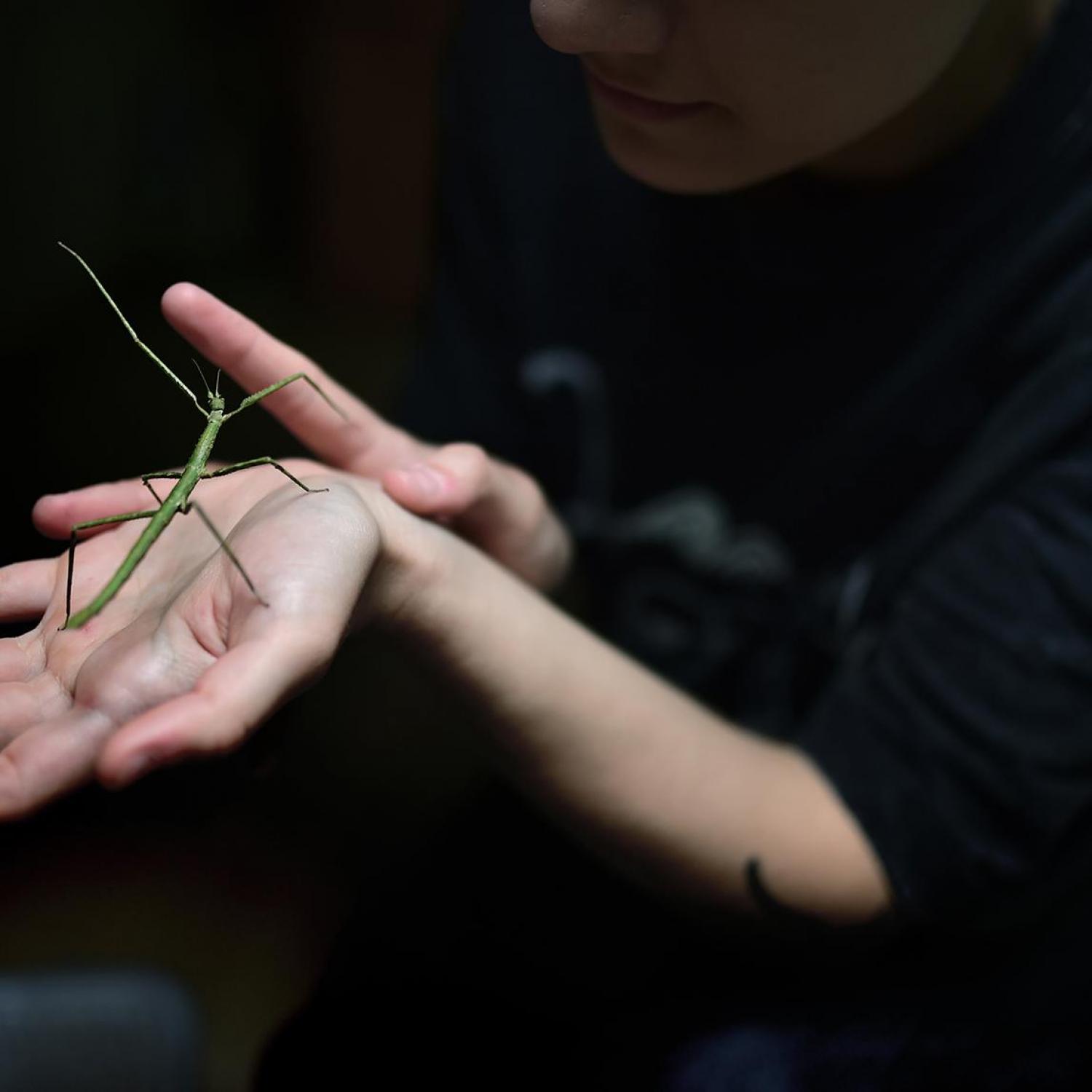

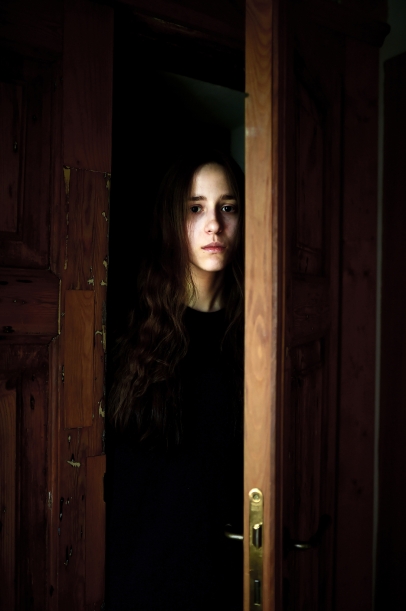

Melania, 20, a young student activist, left her country clandestinely. At night, on foot, she crossed the border between Belarus and Lithuania, moving through dark forests where every step could have been her last. Without travel documents, exposed to controls, cold, and fear, she risked her life to find refuge in Europe and escape Russia.
Heroins, when women defy Moscow and Kiev
Aude Osnowycz | lituania, Lithuania
Photographer: Aude Osnowycz
Exhibit Title: Heroins, when women defy Moscow and Kiev
Location: lituania, Lithuania
From Belarus and Russia, they fled war, repression, and imposed silence. They carry a double burden: persecuted for opposing authoritarian regimes, and confronted with a reinforced patriarchal ideology — more rigid and male-dominated than before.
In Belarus, they took part in the 2020 protests. In Russia, they spoke out against the invasion of Ukraine and refused the mobilisation of their relatives. Their often peaceful engagement exposed them to arrests, threats, surveillance, and pressure on their families. As the regimes hardened, staying became impossible.
Political repression came with another constraint. In increasingly authoritarian and conservative systems, women dissidents face a double punishment: targeted not only for their ideas, but also for what they represent — female voices refusing assigned roles and claiming space in the public sphere.
In Vilnius, resistance no longer takes the form of mass protests. It shifts into everyday life — through care, transmission, and sustained commitment.
Through their stories and faces, this project explores what it means to live under authoritarian regimes — and what it means to keep living afterward.
Aude Osnowyczis a photographer and writer based in France. Her work has developed through long-term projects, driven by a sustained interest in territories shaped by political violence, historical upheaval, and invisible lines of fracture.
She first worked in North Africa and the Middle East, particularly during the Arab uprisings, before turning her focus toward Eastern Europe and the post-Soviet space.These geographical shifts are connected by a central question: how do major political transformations inscribe themselves into ordinary lives? Through portraiture and landscape, she explores intimate narratives and individual trajectories marked by exile, loss of bearings, and a sense of in-betweenness.
A significant place is given to women, often at the forefront of protest movements, yet especially exposed as regimes harden and patriarchal norms intensify. Her perspective is also shaped by a family history marked by oppression and exile, lending her work a personal and intimate dimension without ever overshadowing the stories she documents.
Her practice combines a restrained visual language with extended periods of immersion, aiming to build narratives that are both precise and deeply human. Her projects have been published in magazines in France and internationally, and have been presented in numerous photography exhibitions and festivals.
www.audeosnowycz.photoshelter.com
Make Comment/View Comments