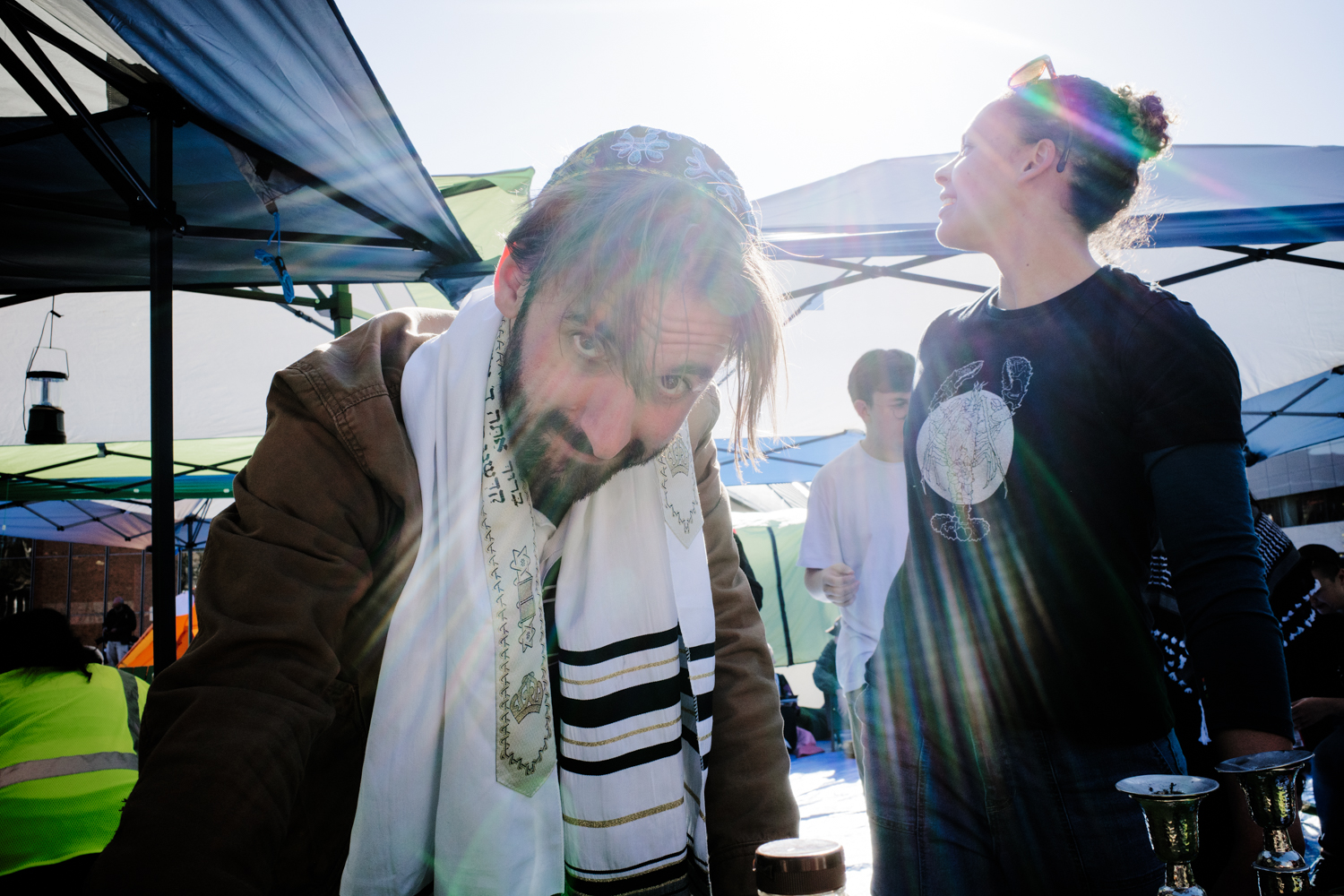
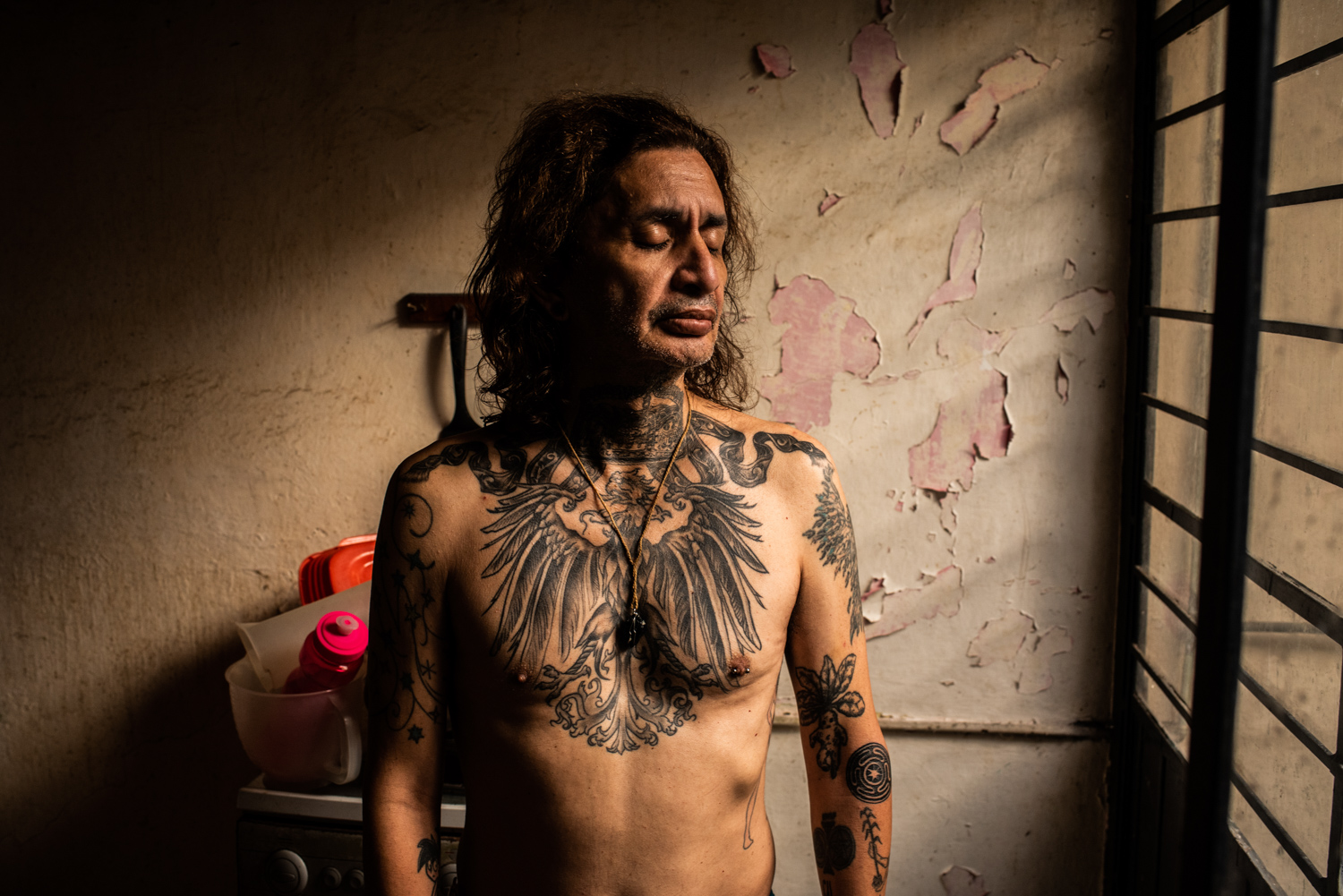
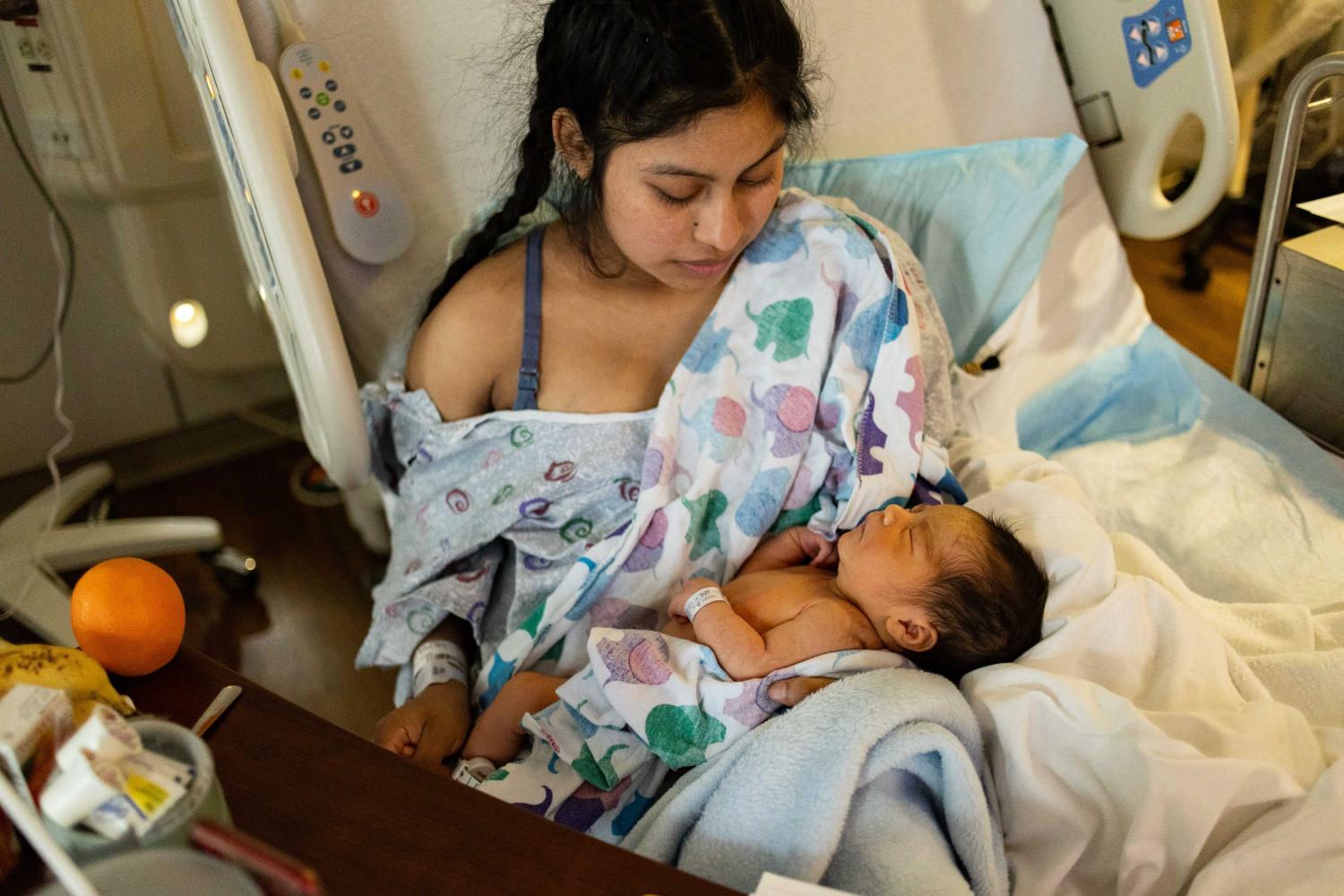
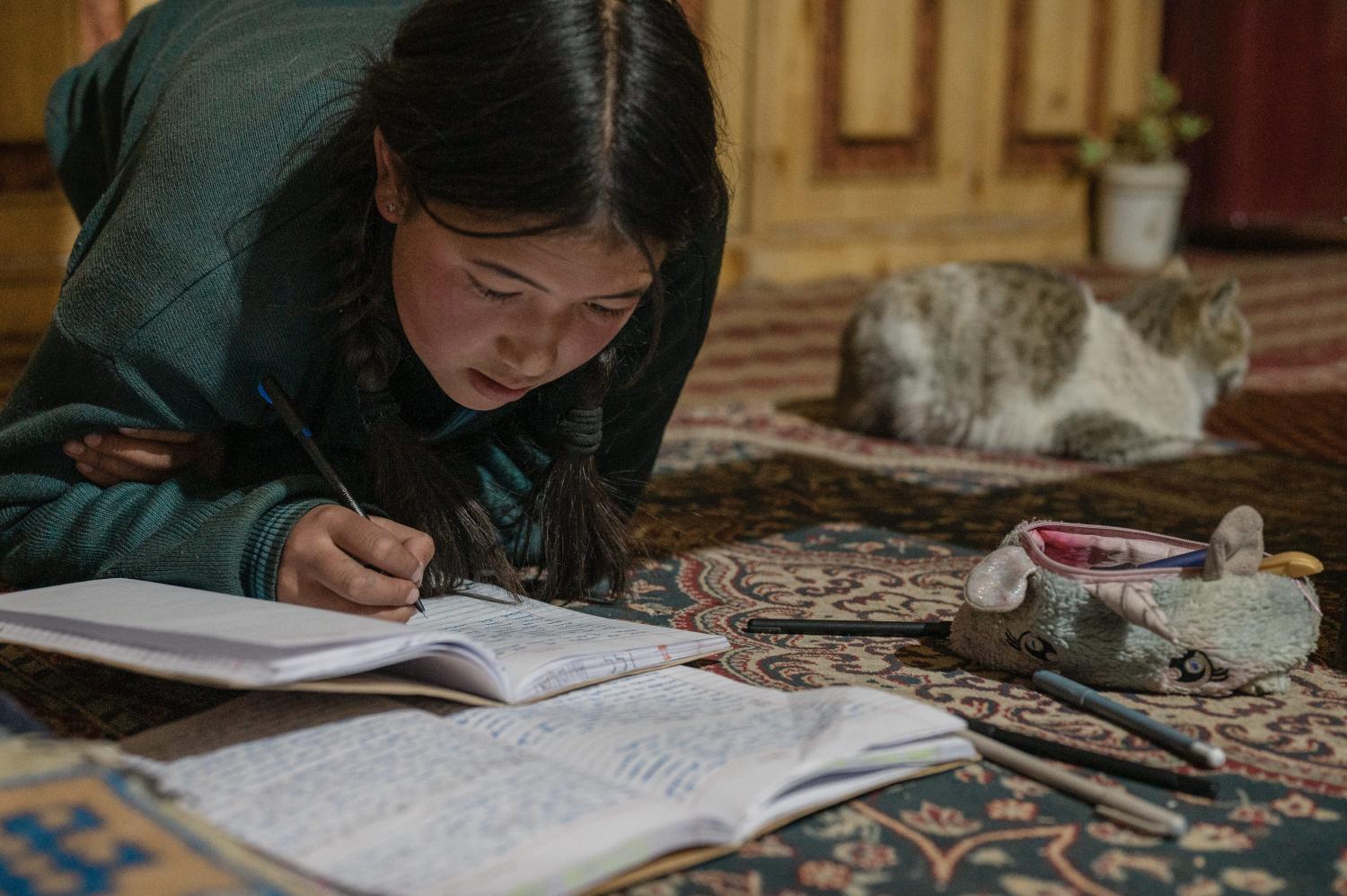
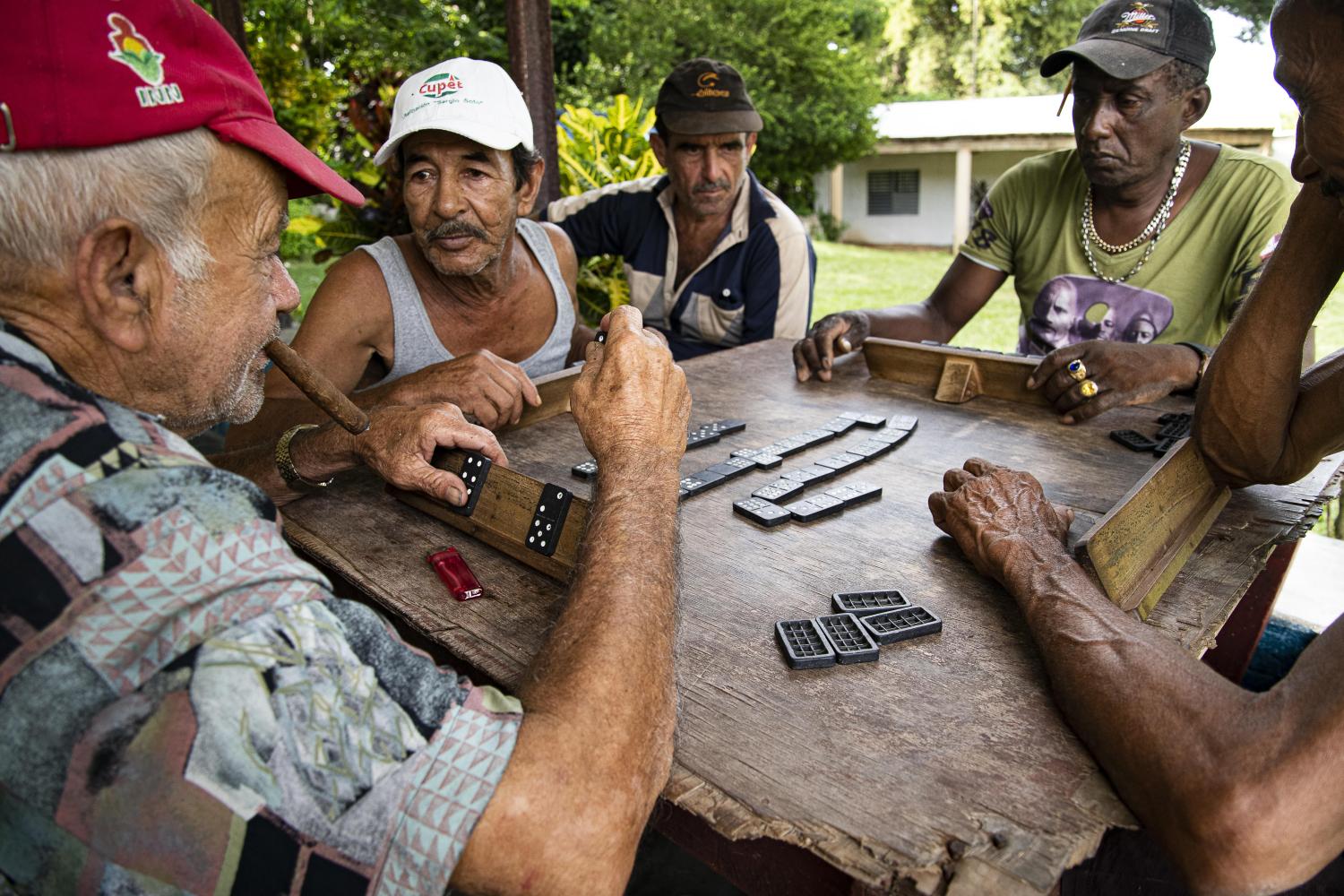
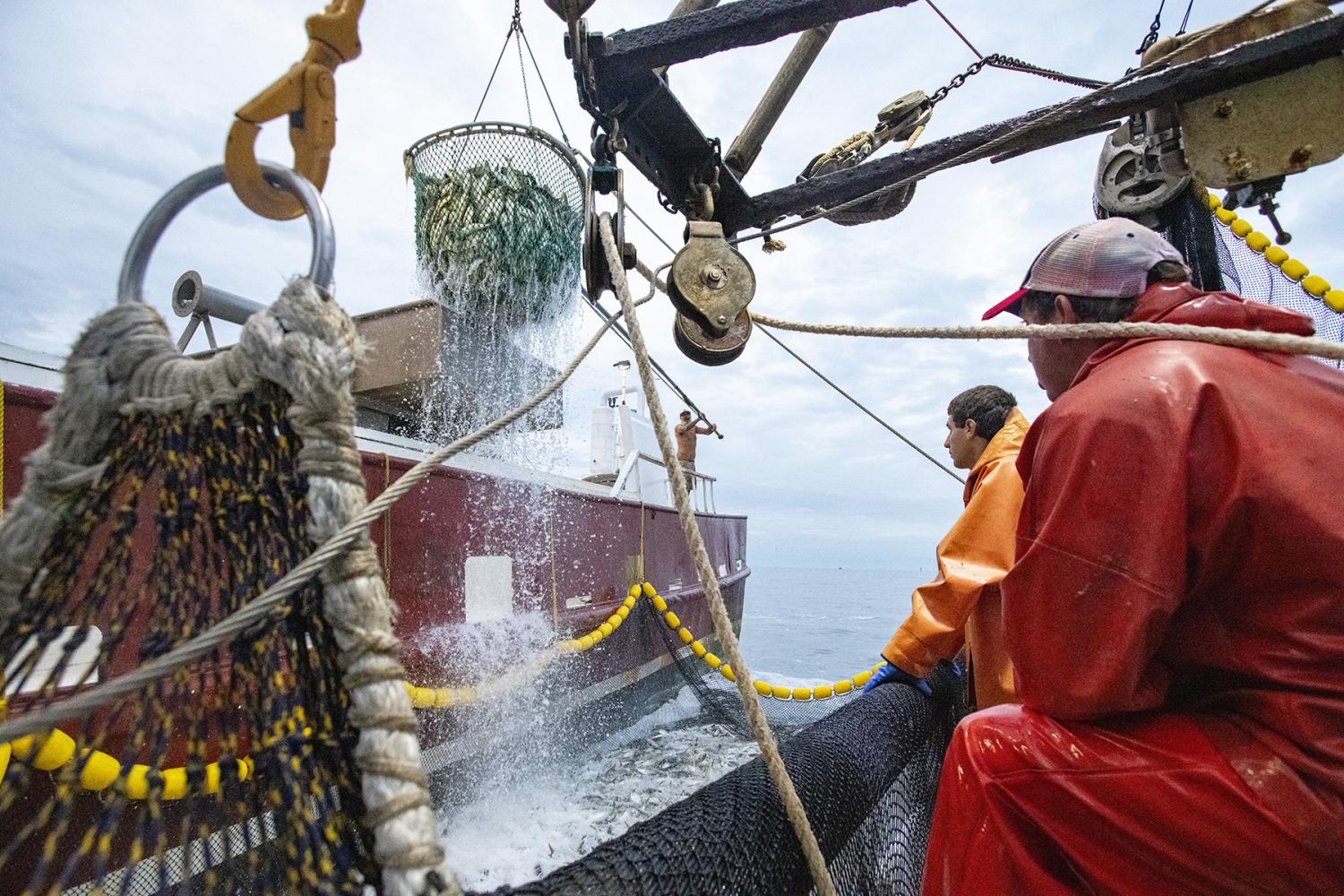
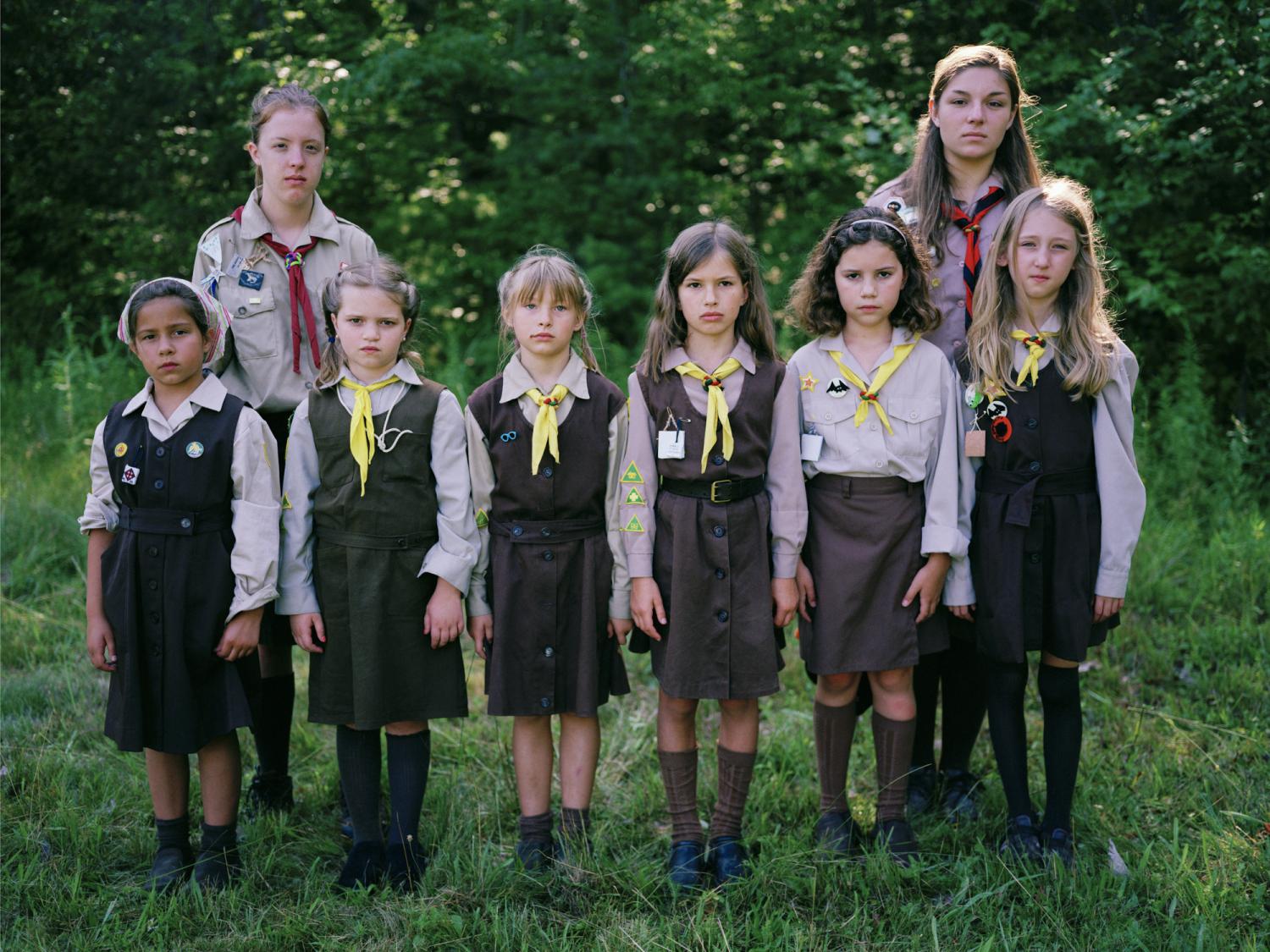
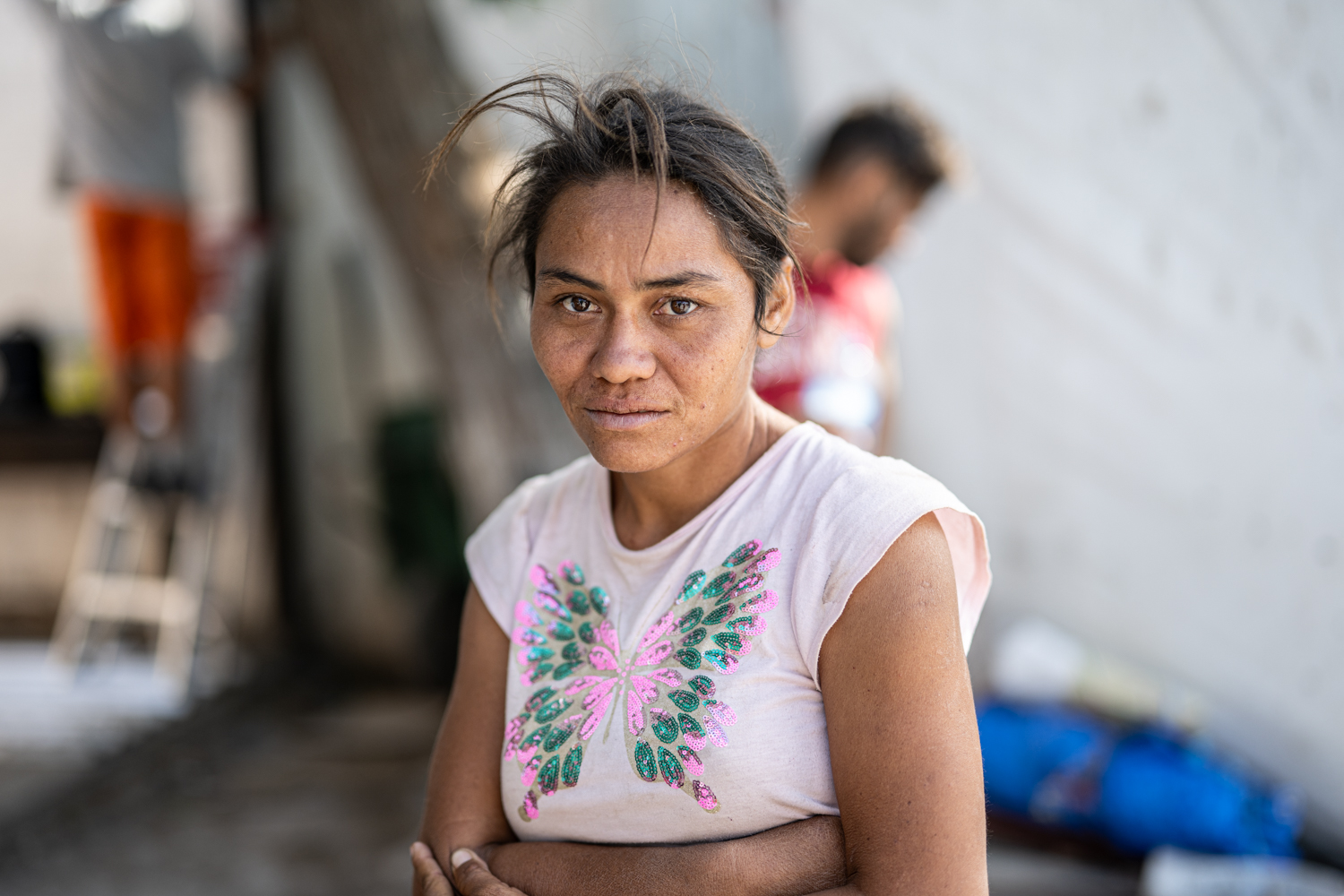
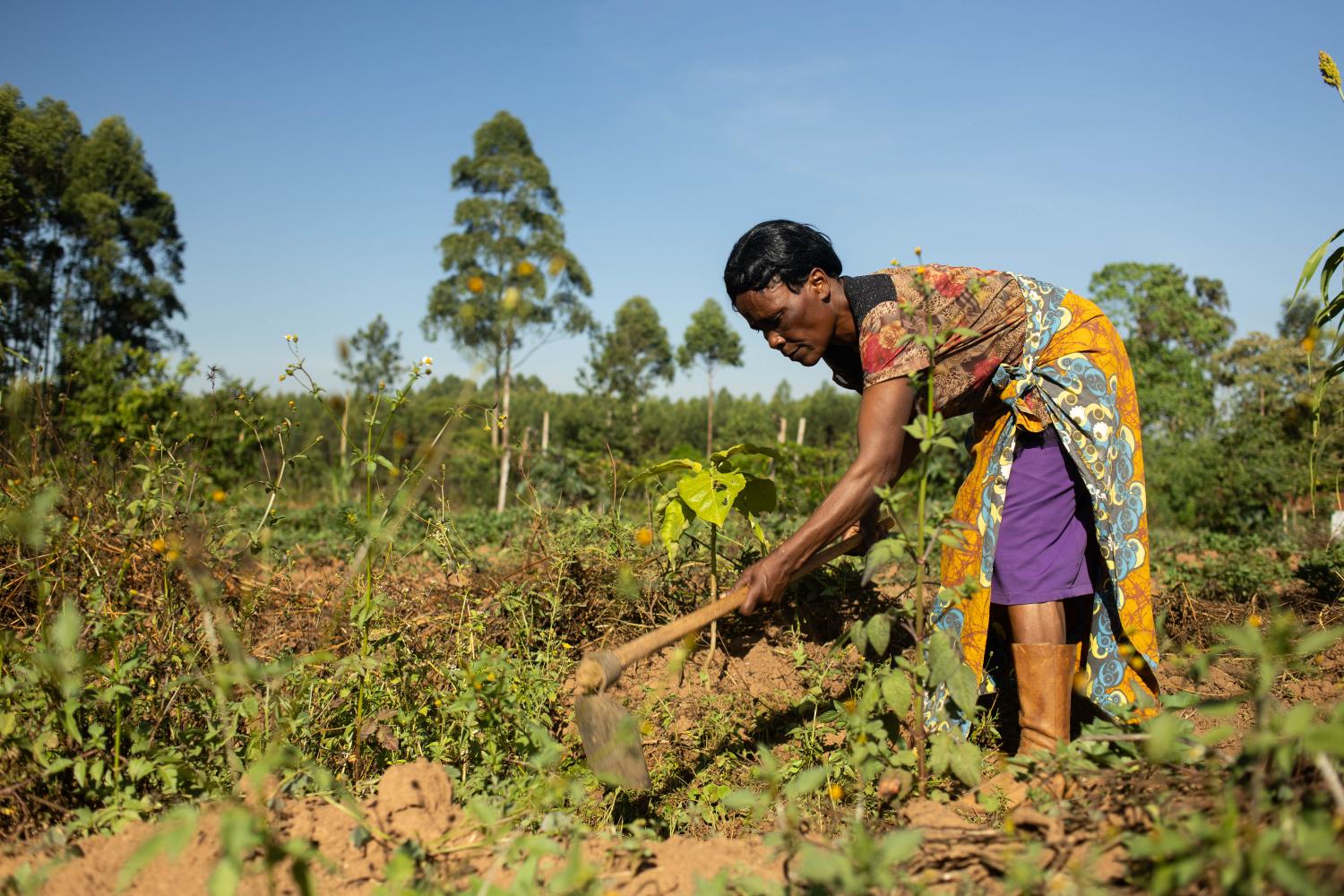
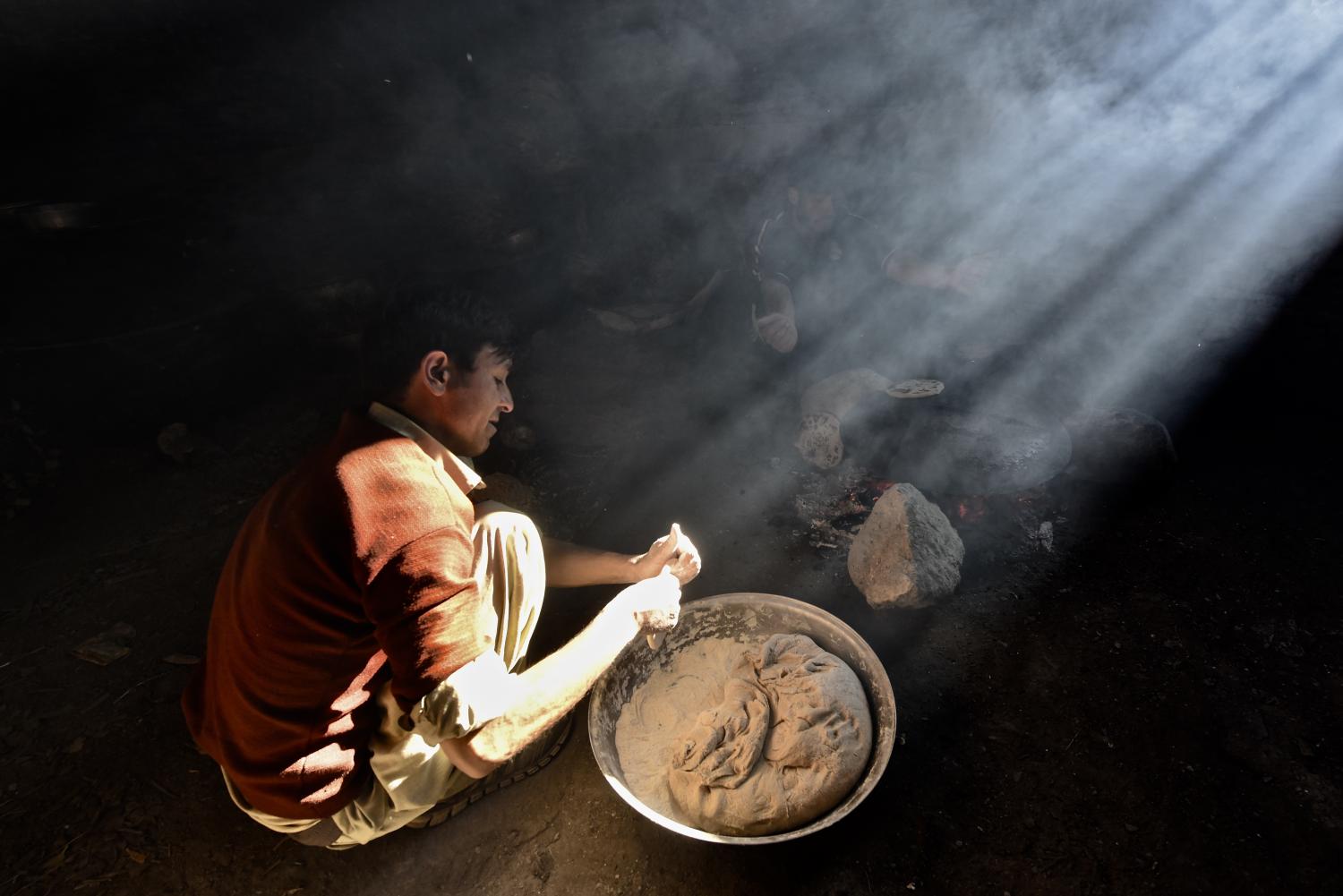
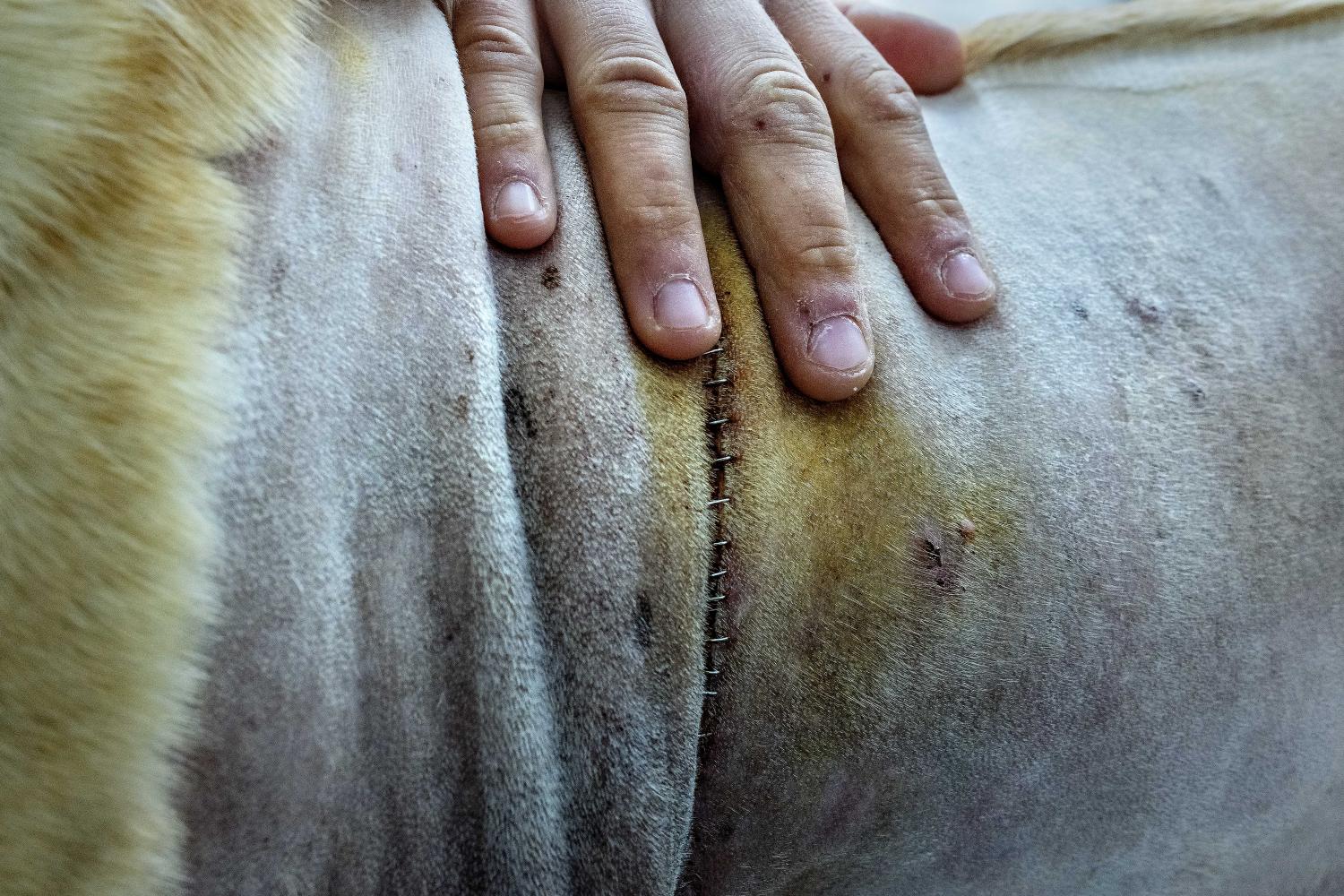
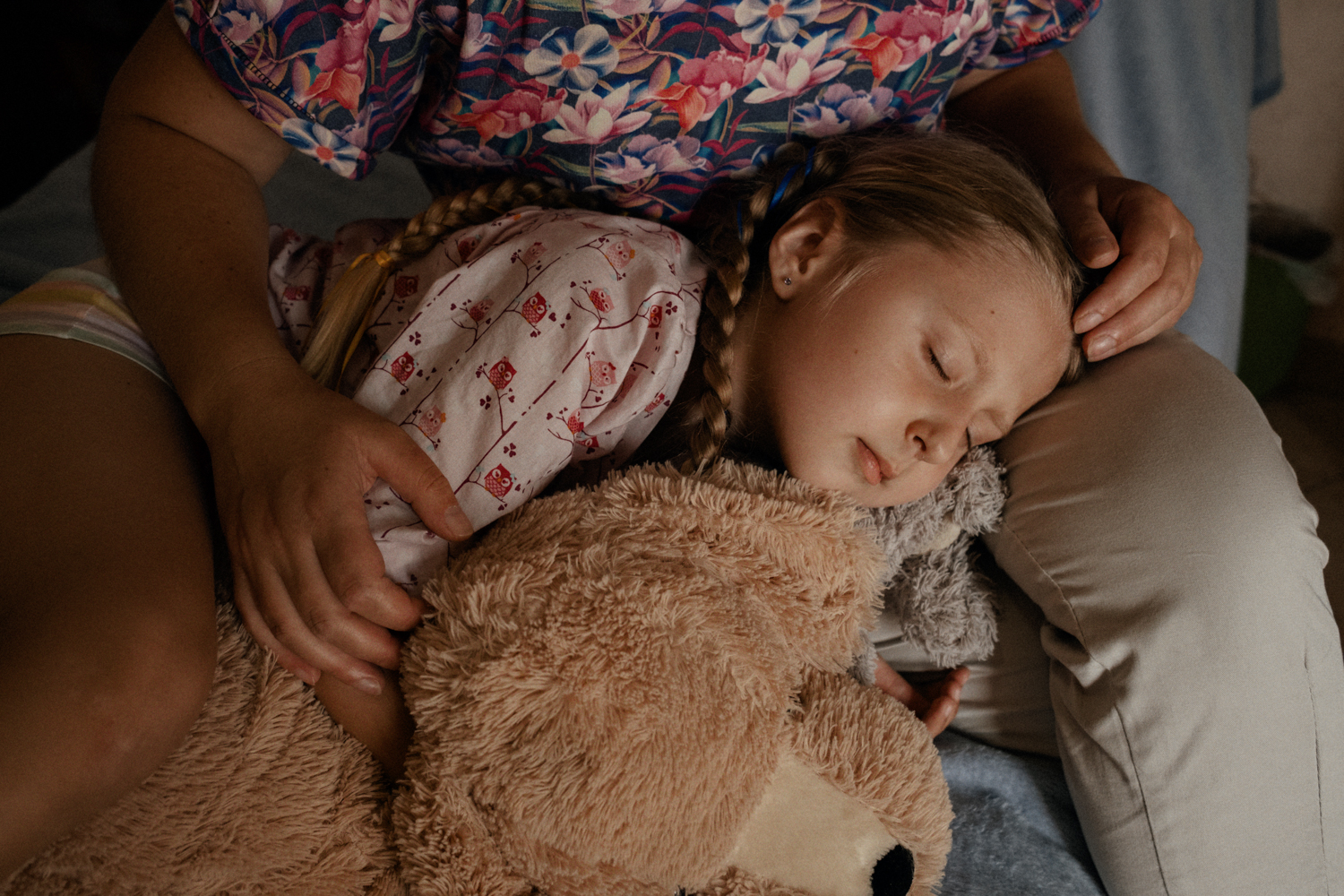
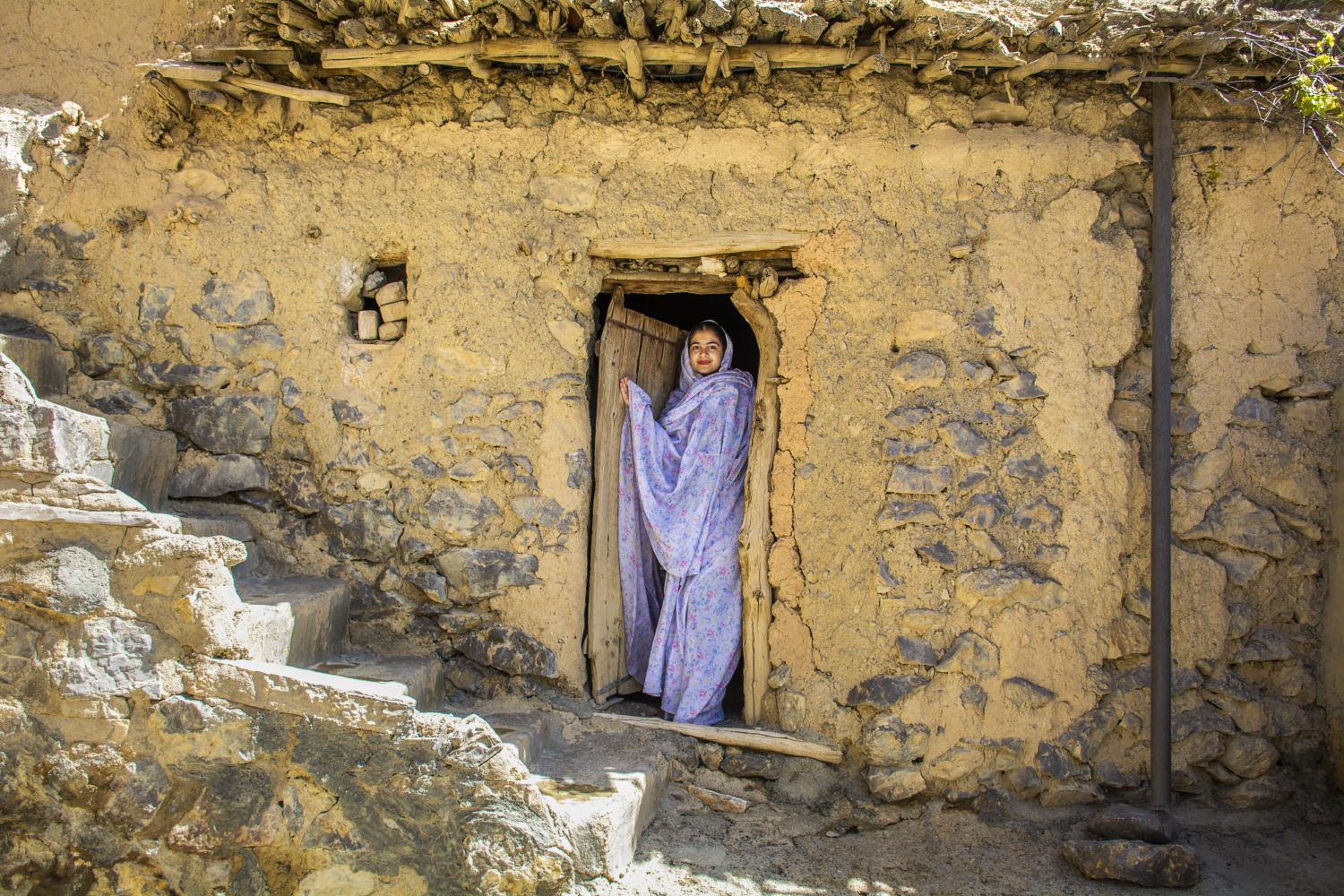
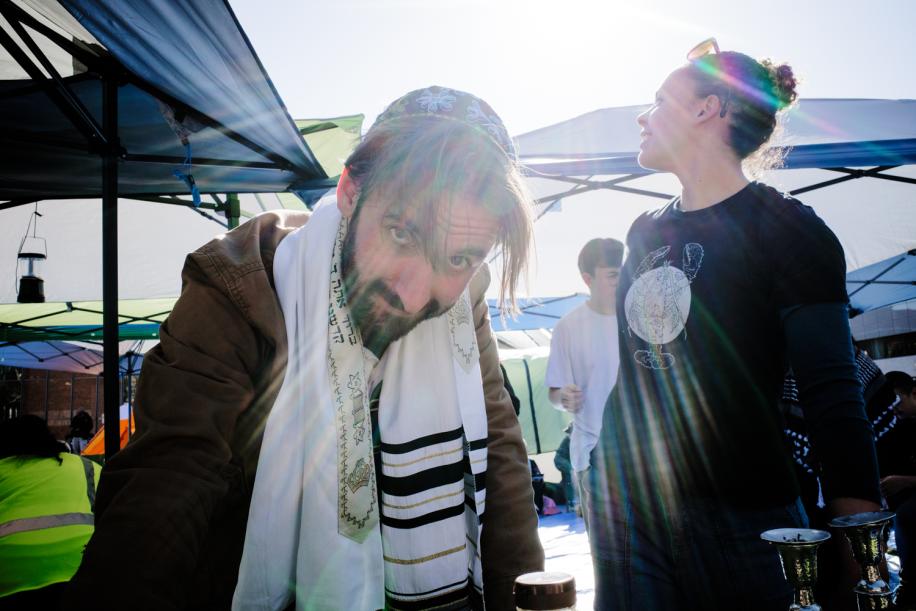
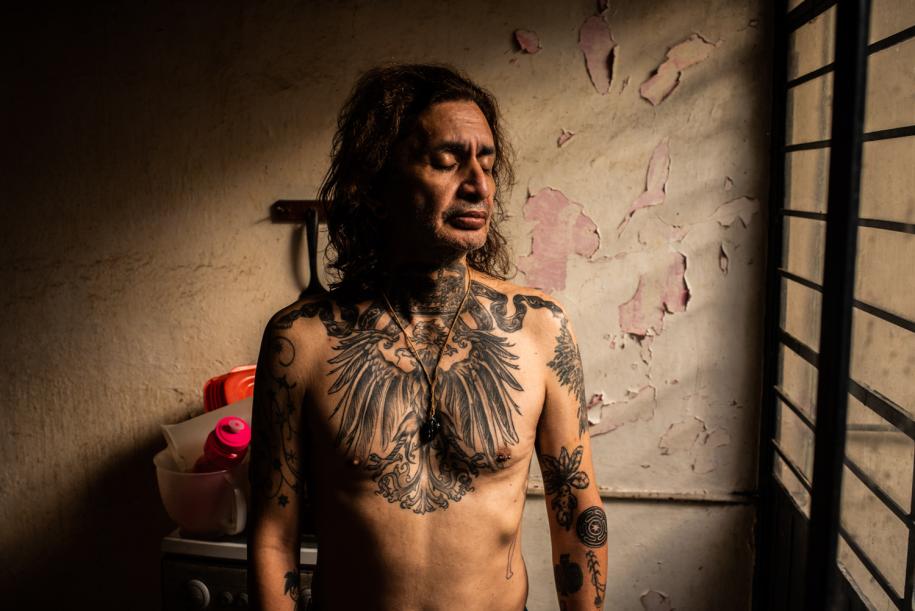
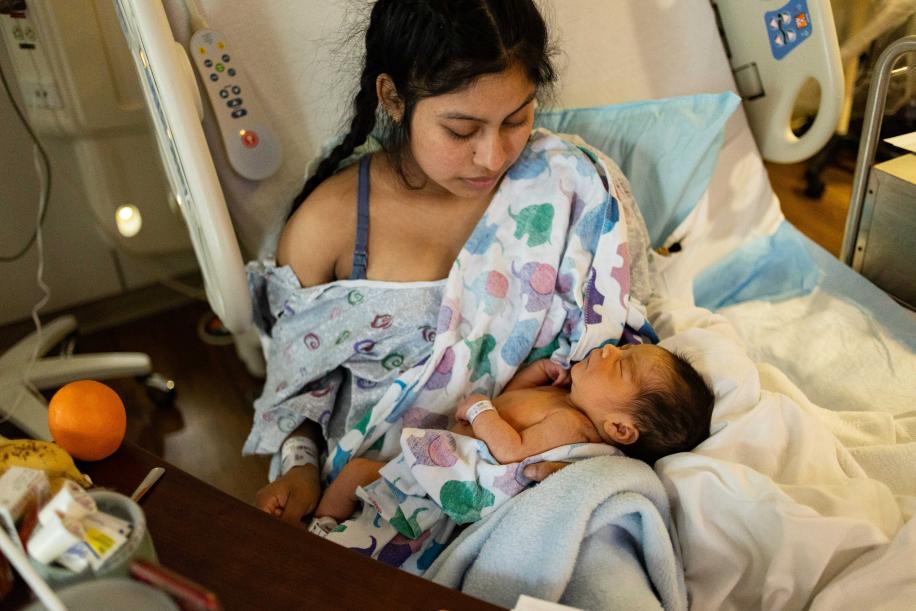
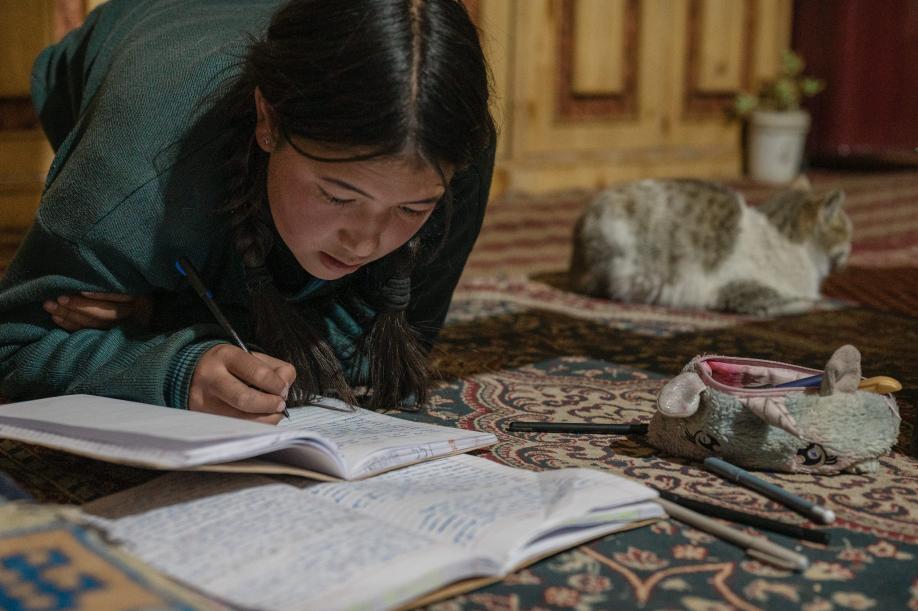
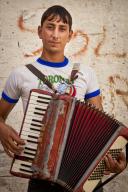
Before beginning my freelance career, I worked as a staff photographer for eleven years on the award-winning staff of The Washington Times. While the bulk of my daily assignments focused on covering Congress, political campaigns and The White House, my true photographic calling was, and continues to be, documenting the humanitarian struggle of women and children around the world.


A photographer friend of mine recently critiqued my website and told me I ought to remove some of the depressing content. That people do not want to see stories about rape, obstetric fistula, and polio epidemics. I agree. Most people do not want to see such things, but they need to see them. In the old media world, these stories from Nigeria, Ethiopia and the Democratic Republic of the Congo are usually allocated 15 inches on page A-16 or shoehorned into 30-second slots midway through news broadcasts, if they are reported at all.
The mind cannot fathom the horror of a humanitarian crisis in 30 seconds. Only when one bears witness to a scene frozen in a photograph or hears the cries of a traumatized woman or child, can they begin to internalize such injustice and suffering; only when people internalize such suffering are they moved to act.
The new media world is already a buffet piled high with eye-candy that offers little food for thought or sustenance for the soul. As journalists, we must dedicate ourselves to keeping a place for the disadvantaged at the new media table. I believe that using visual media to document what ails our world is more important now than ever before.

To license this work for editorial, creative, or other uses, click on the OZMO logo above.
This will take you to the Ozmo website where you can review the cost and license for the photographs in this exhibit.
You will need to create an account with both Amazon payments and with the Ozmo website as described on the Ozmo website.