Shanghai in JPG
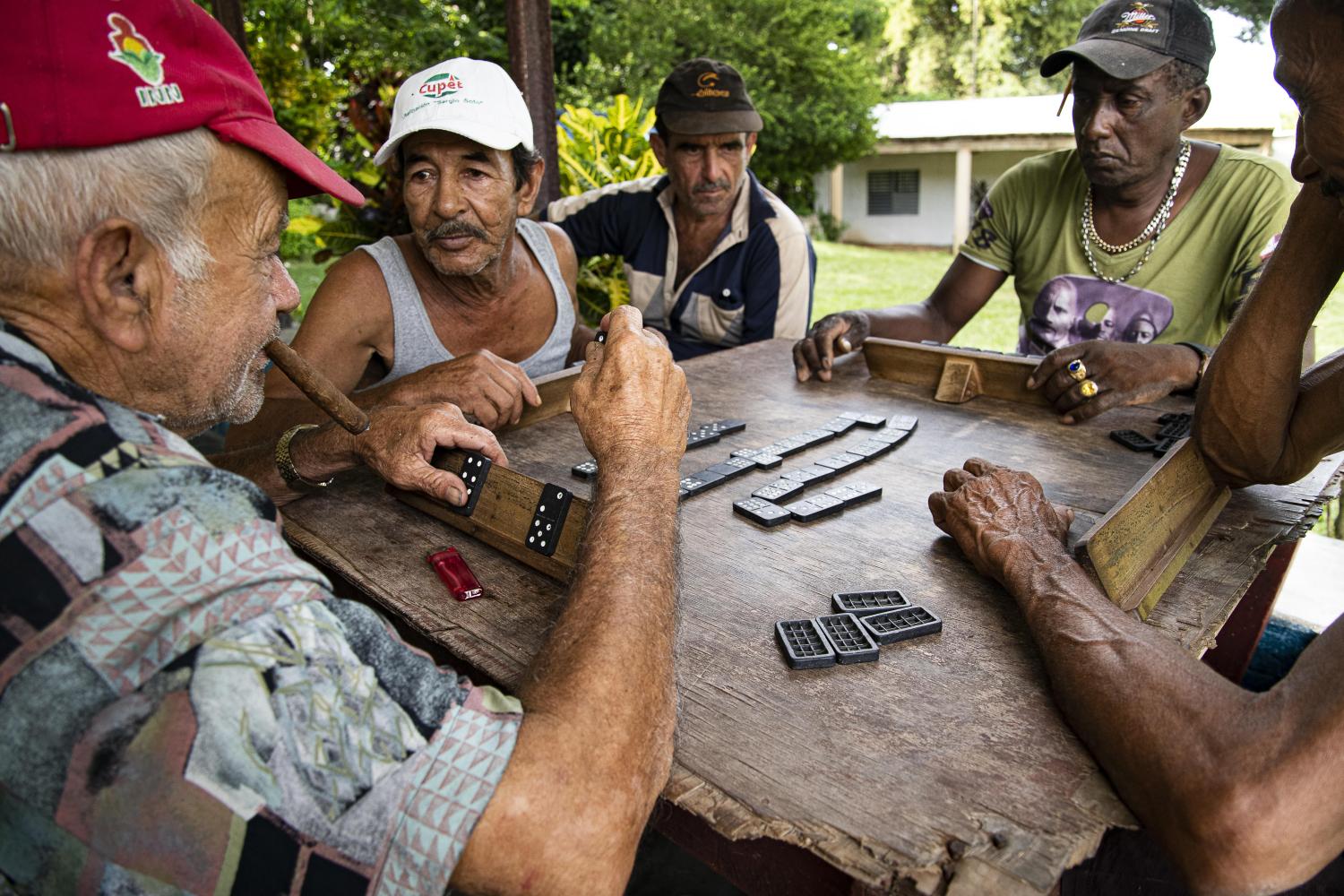
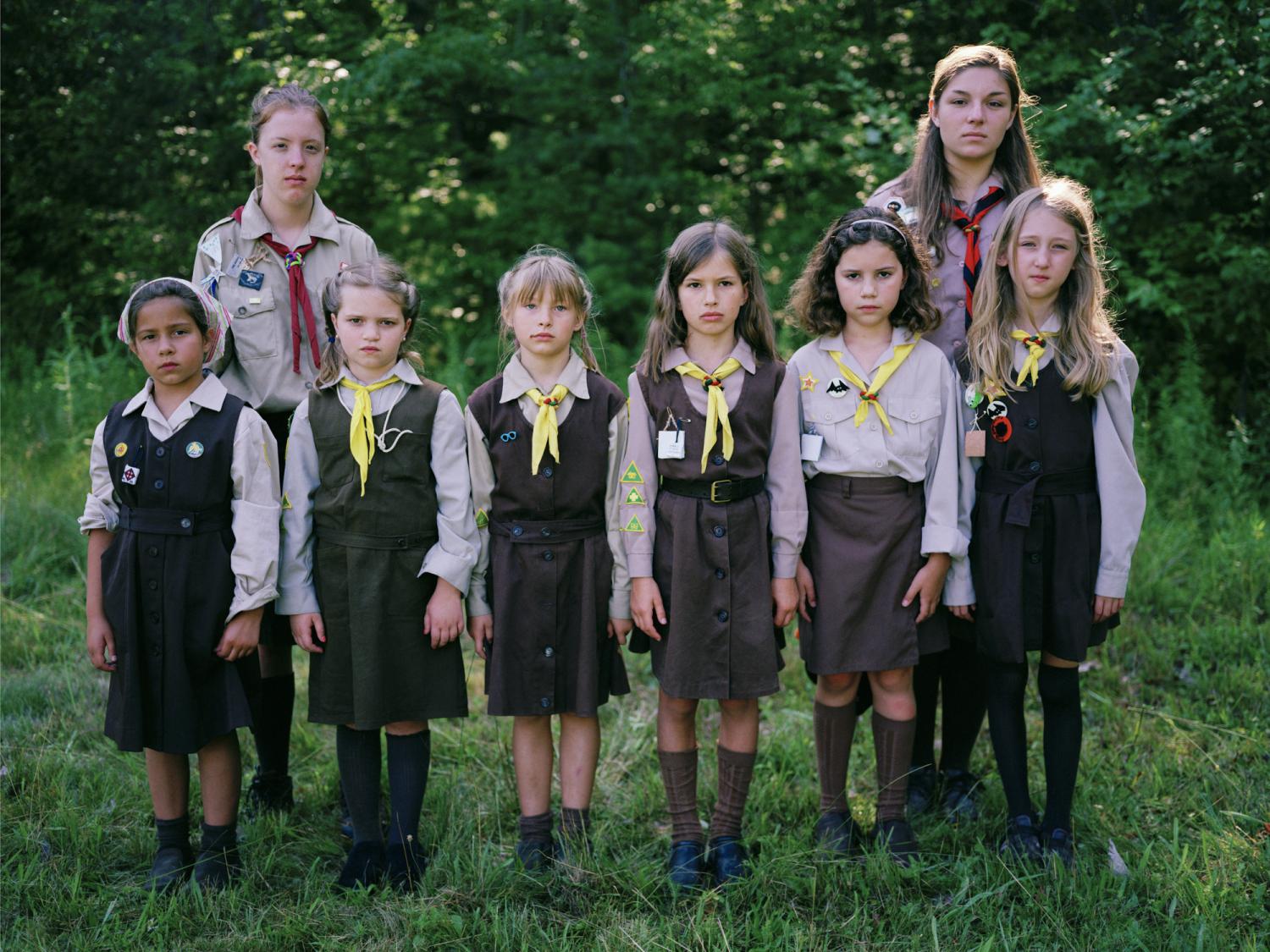
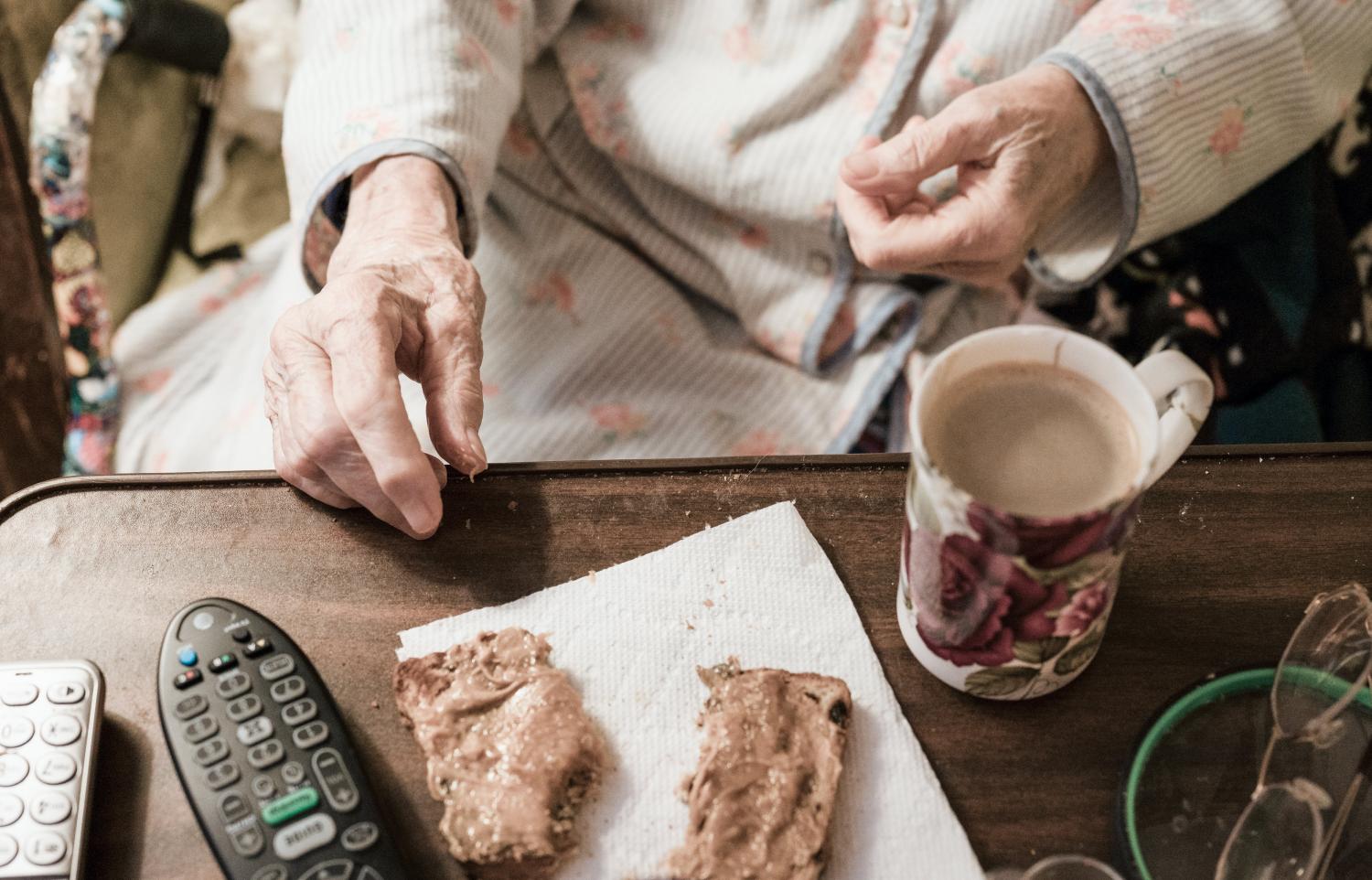
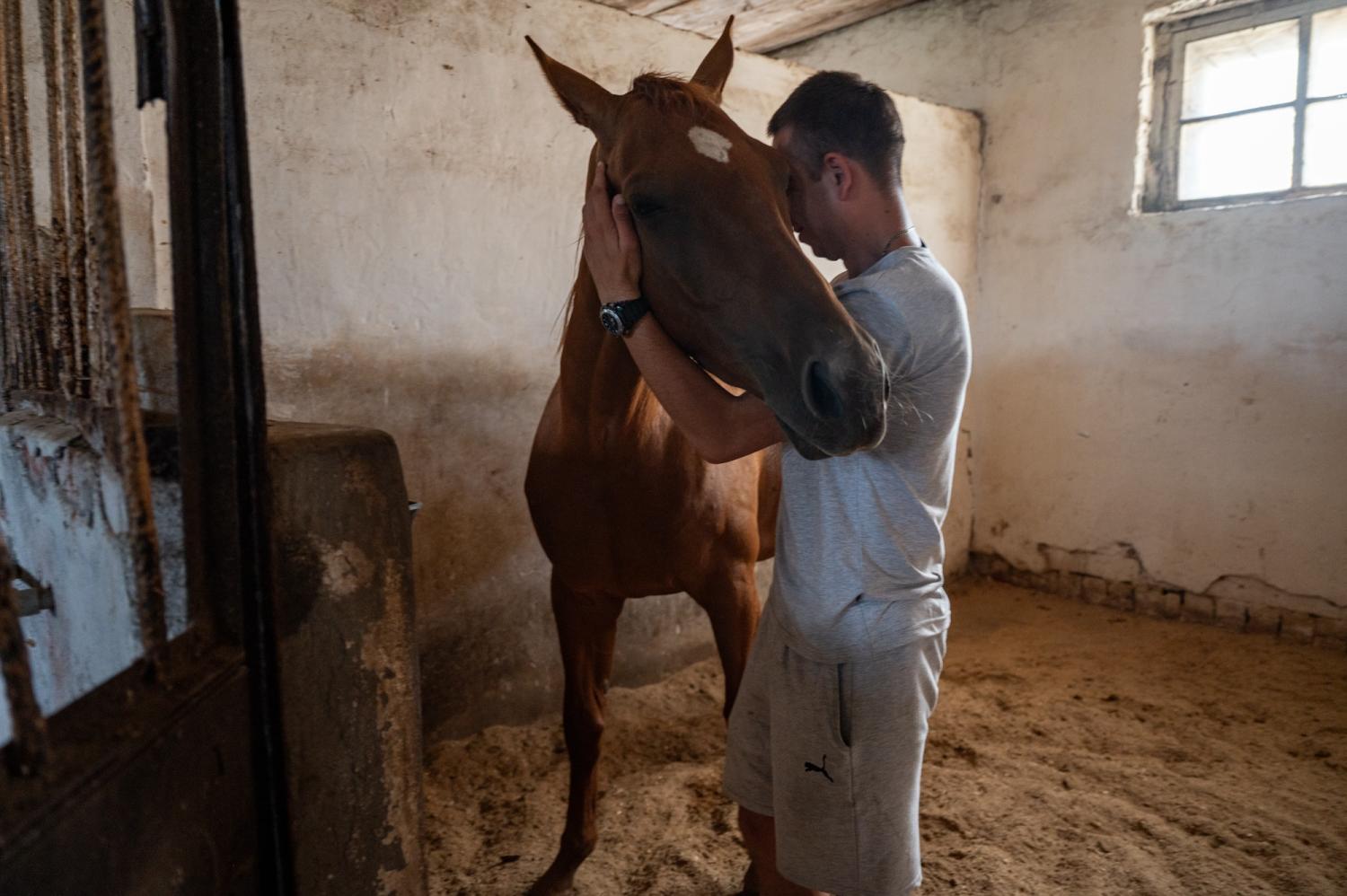
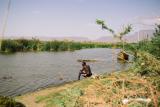
I developped this documentary project in Shanghai between 2006 and 2008. Most of the pictures were taken in the outskirts or in peripheric districts of the city, and around the Suzhou Creek, nowadays a modern and residential area, but a few years ago a very popular, colourful and lively commercial place, bringing food and live downtown.
This work was exhibited in 2008 at Shanghai Epsite Gallery, published in the French journal "Monde Chinois" in 2009 , and lastly released in the book "Shanghai in JPG" (Beaugeste Edition) with forewords by Professor Lin Lu from Beijing University, and French photography curator, Jean Loh.


What has struck me upon my arrival here in 2001? Instead of the modern buildings which roughcast the city, or these gigantic permanent construction sites, it is, in the periphery or sometimes in the center of the city, the environment and the industrial and urban ecosystem built in the years 1970 to 1990, post to cultural revolution, at a price and with such an effort the extent of which we have absolutely no idea in the West. This environment, the first stage necessary to the modern economic development, is now replaced by China’s 21st century urbanization and fast growing economy. Gone are the habitat, the city planning, and the population, a fraction of which became the Lumpenproletariat of the moment, reduced to surviving from recycling the waste rejected by the new Moloch. of a cycle, like everywhere in Asia, the new is built and nourished from the eradication of the old; the destruction and reconstruction are omnipresent, without any remorse.


Thus, there will be no museum of an end of century in Shanghai. Gone are the chains of buildings with their faded colors and laundry hanging in the open, the blackened lanes with badly ensured concrete houses with tilting roofs, the barges on opaque canals and the muddy Suzhou Creek, formerly the belly of Shanghai and today a new riviera for the privileged nouveaux riches. Forgotten are those concrete sinks in the backyards, those cheap and colorful plastic tables, and these factory chimneys and old-time industries. I walked a lot (aren't feet the first equipment of the photographer?), I ruminated visually, felt, touched, listened, I believe in the correspondences and the spirit of the places, which sometimes bring me to press the shutter even when my eyes could not see anything. Of course II met people, often fatalist, and often joyful too, because Shanghai people like good mood as much as they enjoy good company and good food. This project is initially a documentary, it is not about nostalgia, and has no message to deliver. It is not about formal portraits neither, just a gaze and direct images for the eye to touch this very life which is vanishing and which I had lived intimately, in my own manner.
To license this work for editorial, creative, or other uses, click on the OZMO logo above.
This will take you to the Ozmo website where you can review the cost and license for the photographs in this exhibit.
You will need to create an account with both Amazon payments and with the Ozmo website as described on the Ozmo website.